Kwari Market in Kano: Surviving Tough Times
Kwari Market in Kano is Africa's largest textile market, facing rising prices and economic challenges. Despite this, traders continue to thrive.
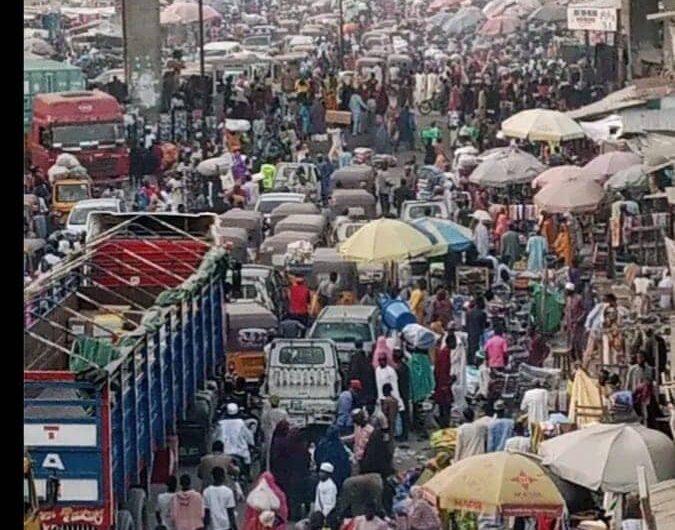
As the sun rises in Kano, Kwari Market buzzes with activity. You can hear the sounds of fabrics rustling, bales being moved, and traders bargaining loudly.
The market is filled with colourful textiles like laces, shadda, Ankara, chiffon, veils, caps, and imported fabrics. Traders shout to customers in Hausa, showing the market's long history of trade that crosses borders.
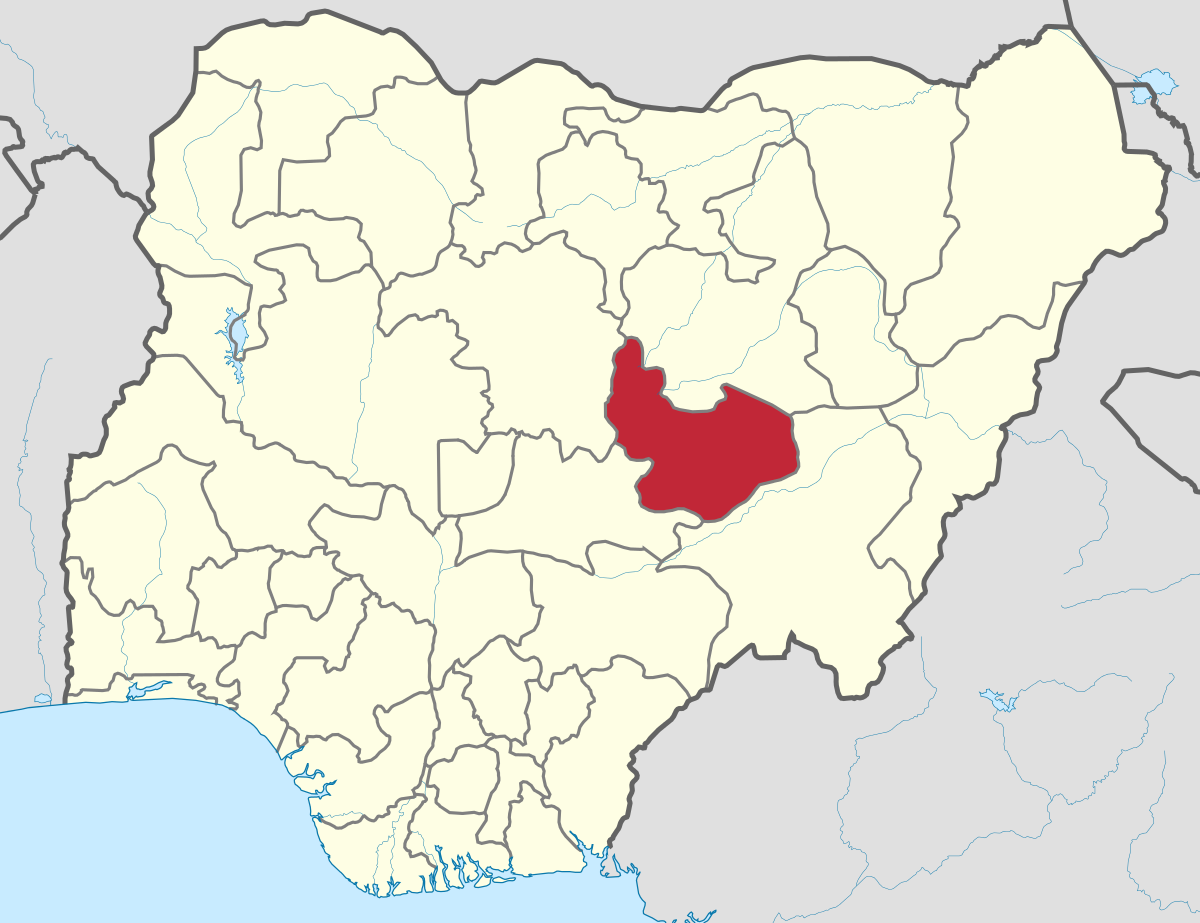
Kano State has always been a key commercial spot in West Africa. It sits on old trans-Saharan trade routes and is now a major manufacturing and trading hub for Northern Nigeria. The markets here link producers, importers, and buyers in Nigeria and nearby countries, making Kano an important trade center.
Kwari Market is the largest textile market in Africa and sits at the center of this trading ecosystem.
But behind the lively atmosphere, there are challenges.
Prices are rising quickly. Customers are buying less. Import and customs fees have doubled. Currency issues and security problems in parts of Northern Nigeria have made it hard for long-distance and foreign buyers to come to Kano.
Still, the market opens every morning.
For more than forty years, Kwari Market has been a major textile market in Africa. Today, it reflects Nigeria's economic struggles, surviving not because things are easy, but because traders refuse to let it fail.
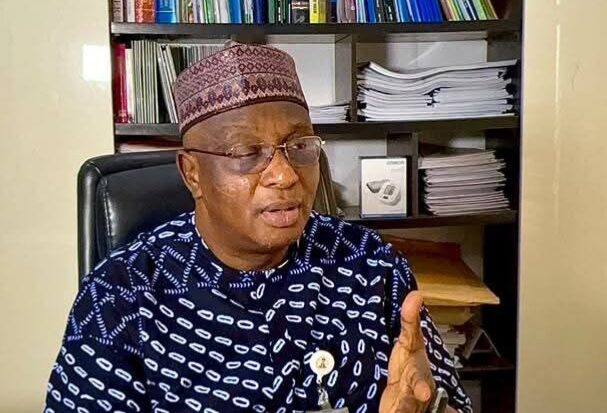
Ishaq Alkassam, also known as Balarabe Tatari, is the Chairman of the Kwari Market Houses, Plazas and Shops Association. He used to lead the market association. He shared that Kantin Kwari was once a fancy residential area in Kano, similar to modern neighborhoods like Nassarawa and Dala.
“It was a residential area where people lived like any other developed part of the ancient city,” he said.
Because Kano has always been a trading center, foreign settlers, including Lebanese, Pakistani, Indian, and other West African traders, moved to the area to trade.
Initially, they sold cotton and groundnuts from villages in Northern Nigeria. When that trade fell off, they started importing textiles from their home countries.
“They turned their garages into shops and used their rooftops as sleeping spaces while their cars were moved to the backyard,” he explained.
Over time, Hausa traders entered the scene, first as shop assistants and then as independent traders. This helped the market grow into what it is today.
Today, the market has around 275 plazas and over 13,000 shops. These numbers change as more homes are turned into commercial spaces.
“It is not owned by the government; it is owned by individuals. It has been association-driven for over 43 years now,” he said.
Even with recent government involvement three years ago, he pointed out that the market is still community-controlled. There have been about 19 leadership changes through the association since it became a major market.
“This market deals in billions of naira. It contributes a lot to government revenue through various taxes,” he added.
Thousands of livelihoods depend on the market every day, from loaders and cart pushers to transporters and security guards.
“We even employ over 500 security guards ourselves. The government does not pay them,” he noted.
In the narrow corridors of Kwari Market, traders describe a system stressed by inflation, changing exchange rates, rising customs fees, and lower purchasing power. They are constantly adjusting to these pressures while trying to survive.
Muhammadu Auwalu, a trader selling Atampa fabrics from Cotonou, said rising costs have cut into profits.
“What I used to buy for one million naira is now over two million,” he said.
He explained that although he imports better fabrics from Cotonou rather than China, low customer interest makes it hard to make money. Some sales only cover costs with no profit.
To keep his business running, he sells goods in smaller pieces, so customers can buy what they can afford.
Umar Faruk, another trader in Gidan Garage (Plaza), said that falling sales have forced him to find extra ways to make money.
“Some days we don’t make any sales,” he said. “After closing, I do tricycle business.”
He mentioned that lace prices that cost ₦300,000, ₦350,000 five years ago now go for ₦550,000, ₦700,000. Retail prices have risen from around ₦17,000, ₦18,000 to over ₦30,000.
To handle demand changes, he sells smaller quantities and counts on busy seasons like Ramadan and holidays. He also supplies nearby shops in bulk, which they break into smaller units for affordability.
Ahmad Ibrahim, who sells clothing and accessories, said inflation has hurt buying power.

“Before, ₦100,000 could fill a cart. Now it cannot even fill a bike,” he said.
He now focuses on keeping customers rather than making a lot of profit, lowering prices so buyers can still afford goods despite rising costs.
Kabiru Bello Maigoro, who sells shadda and men’s fabrics, said prices have almost doubled.
“I used to buy one yard for ₦1,900, ₦2,000. Now it is ₦3,500, ₦4,000,” he said.
He also mentioned market insecurity, including scams targeting traders. To survive, he depends on credit sales and lower margins to keep customers coming back.
Across the market, traders are adjusting with smaller sales, thinner margins, credit deals, and side businesses outside the market.
Nigeria’s annual inflation rate rose for the third month in a row to 15.93% in May. The National Bureau of Statistics said this rise is mainly due to supply issues and higher energy costs.
These inflation issues hit traders, small businesses, and their customers too. Abdulrazak Abdullahi, a regular customer, said rising prices have made him buy less.
“What I used to buy at ₦2,300 is now over ₦3,000,” he said. He now uses side income to help with rising costs but still prefers Kwari Market for its quality and availability.
Another customer, Sadiya Idris, said she buys less because of inflation, which is driven by fuel price increases. She adjusts her resale prices to keep her business running and meet customer needs.
Traders also mention high customs fees that add to costs before goods even arrive in Kano.
“There are too many charges when importing and exporting goods,” said Mr Alkassam.
He expressed concern about multiple taxes and unofficial fees in the market, including cases where shops are sealed or payments are demanded before they can reopen.
He also pointed out that insecurity in parts of Northern Nigeria has cut down the number of buyers from nearby states and countries like Chad, Niger, Cameroon, and Ghana, which used to feed into Kano markets.
Yet, traders continue to adapt with smaller sales units, thinner margins, credit sales, and additional incomes.
Suleiman Hamza, who sells textiles under CHAIRMAN Textile Company (CT TEX), said Kwari Market is a huge commercial hub.
“Kwari Market is a very big textile market, not just in Kano or Nigeria but in Africa. It makes transactions worth billions of naira every day,” he said.
He added that individual businesses also see big daily sales.
“In our shop, we can sell about ₦2 million worth of textiles daily. Some days, it is more than that.”
Regarding taxes, he mentioned that traders pay yearly state and local government fees, but the amounts vary.
“For example, we pay ₦10,000 to the state and ₦5,000 to the local government every year,” he said.
Even with the economic challenges, Kwari Market keeps going through trust-based credit systems and informal financial practices.
Many traders provide goods without immediate payment, relying on long-established relationships.
“It is a market built on trust. We give goods on credit, believing in Allah that customers will pay back,” Mr Alkassam said.
He stressed that the market does not get direct government support. He called on the government to reduce customs fees, improve access to affordable loans, stabilize foreign exchange rates, and better manage import processes.
He also asked for better access to official dollar supplies to cut down reliance on black markets.
Even in tough times of inflation, insecurity, and lower demand, Kwari Market stays open, not because conditions are great, but because it is tied to the livelihoods of many people across generations and regions.
Mr Alkassam reflected on the market's future with quiet confidence, rooted in faith.
“For me, I believe in Allah. He is in control of everything. And I believe Kwari Market will continue to thrive despite all odds,” he said quietly, his voice steady, filled with both resilience and hope.

Comments
No comments yet.