Lawmakers Alarmed by Over 53,000 Deaths from Unsafe Food in Nigeria
The House of Representatives urges action to improve food safety in Nigeria after alarming statistics show over 53,000 deaths from unsafe food each year.
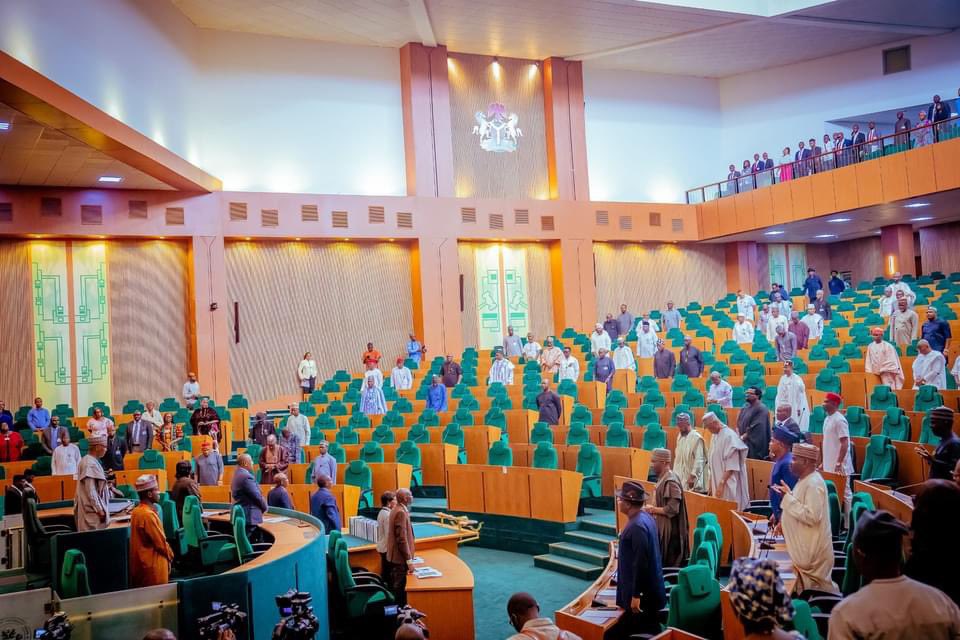
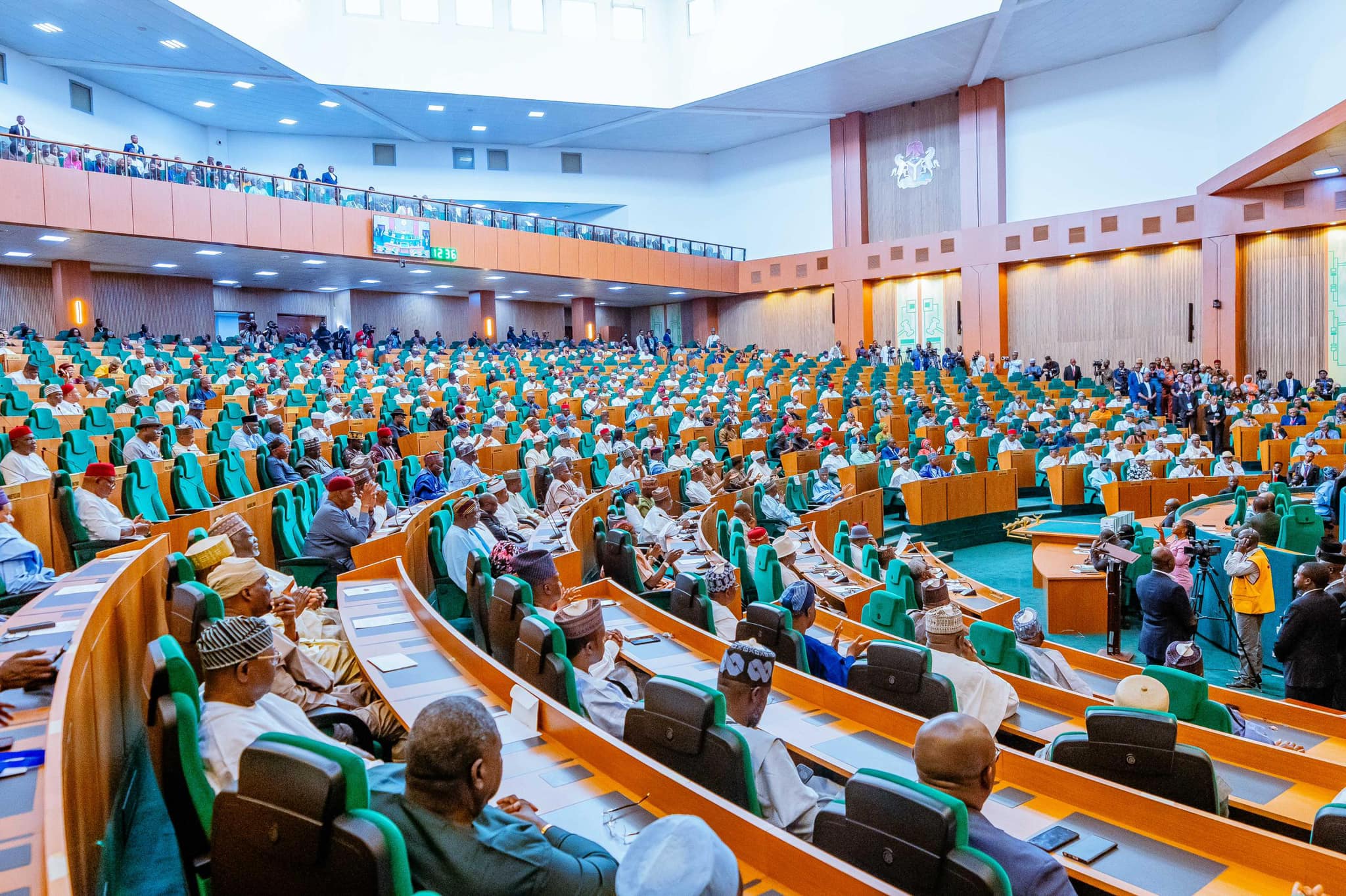
The House of Representatives called for urgent action on Tuesday to improve Nigeria's food safety system. They raised concerns about the country having around 50 million cases of foodborne illnesses and over 53,000 deaths each year linked to unsafe food.
The lawmakers asked the Federal Ministry of Health and Social Welfare, the National Agency for Food and Drug Administration and Control (NAFDAC), the Standards Organisation of Nigeria (SON), and the Nigeria Centre for Disease Control and Prevention (NCDC) to boost surveillance, inspections, and certification in the food production process.
This resolution came after a motion of urgent public importance was introduced by Billy Osawaru, a member of the APC from Edo.
During the debate, Mr. Osawaru noted that unsafe food has turned into a serious public health and economic issue. This is happening despite the federal government's efforts and those of relevant agencies to improve food safety standards.
He shared data from the World Health Organisation (WHO) showing that unsafe food leads to around 866 million illnesses worldwide each year. This means about one in every nine people gets sick from unsafe food, with roughly 1.5 million deaths globally each year. Africa has the highest burden of these illnesses.
Mr. Osawaru recognized Nigeria's recent improvements in food safety, mentioning that the country reached a Level Three rating in the WHO 2025 State Party Annual Report. This rating is above the global average and places Nigeria among the top countries in Sub-Saharan Africa for having effective systems to detect, report, and respond to foodborne disease outbreaks.
Still, he warned that these gains are at risk due to ongoing problems. These include poor hygiene practices among food handlers, chemical contamination of food, open defecation, lack of access to clean water, weak enforcement of regulations by agencies like NAFDAC, and poor facilities in markets and abattoirs.
Mr. Osawaru stated that these issues put millions of Nigerians at risk of eating contaminated food, which leads to avoidable illnesses and deaths.
"Despite the federal government’s commitment to reducing foodborne diseases, Nigeria still records approximately 50 million foodborne illnesses and more than 53,000 deaths caused by unsafe food every year," he said.
He added that these diseases result in about 4.26 million healthy life years lost each year due to illness, disability, and premature deaths, with over 80 percent of those affected being children.

Beyond health issues, he explained that foodborne diseases also bring a heavy economic burden to the country.
Nigeria reportedly loses about $3.6 billion each year due to lower productivity, medical costs, and trade restrictions caused by poor food safety standards.
Mr. Osawaru also linked ongoing cholera outbreaks in several states to unsafe food and water. He referred to reports from the NCDC that show these outbreaks reveal ongoing weaknesses in the country’s sanitation systems and water infrastructure.
His motion received support from Awaji-Inombek Abiante, an APC member from Rivers.
The House accepted the motion without further debate, urging the Federal Ministry of Health and Social Welfare, NAFDAC, SON, and the NCDC to enhance nationwide surveillance, routine inspections, and certification processes for the entire food production and distribution chain.
They also directed the House Committees on Healthcare Services and Food Safety and Nutrition to collaborate with NAFDAC, the NCDC, SON, and other relevant agencies. This collaboration aims to ensure that adequate funding for modern food-testing equipment is included in future budgets.
The committees must prioritize training and certification for food handlers across the country and identify gaps in current food safety laws to suggest legislative changes that could strengthen Nigeria’s regulations.
Additionally, the House urged the Federal Ministry of Water Resources and the Federal Ministry of Health and Social Welfare to invest more in clean water supply and sanitation infrastructure. This is to reduce contamination linked to unsafe food and water.
Finally, the lawmakers called on the Federal Ministry of Information and National Orientation to keep running public awareness campaigns about food safety, personal hygiene, and the health risks of eating contaminated food and water.




Comments
No comments yet.