NASS Update: State Police Approved, Drug Deaths Investigated, Displaced Nigerians in Gabon
Nigeria's House of Representatives has approved state police services with unanimous backing from all 36 assemblies. Lawmakers also summoned agencies over drug-related deaths.

State police proposal gets green light from all 36 assemblies
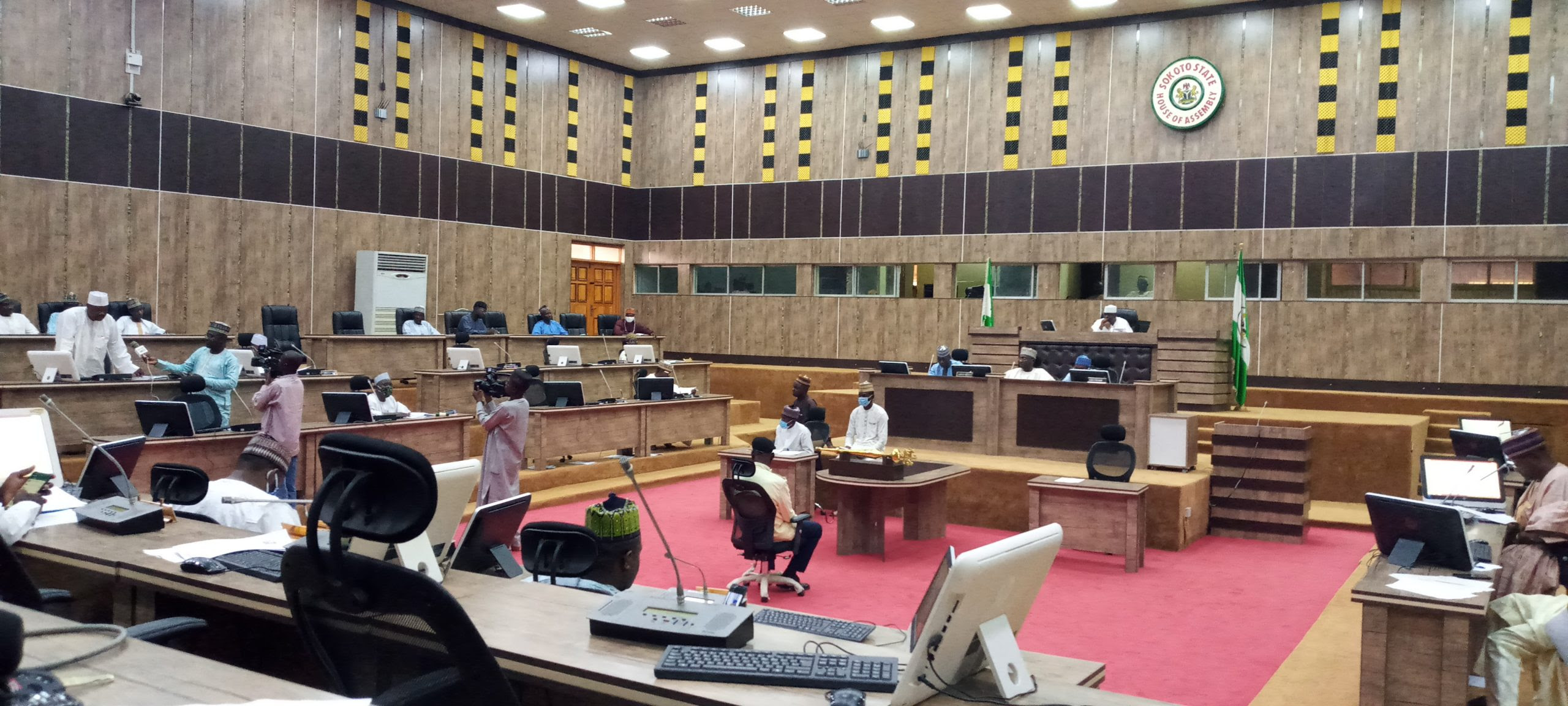
In a big step toward changing Nigeria’s policing system, the House of Representatives announced on Tuesday that all 36 State Houses of Assembly have agreed to set up State Police Services.
This news came from a statement by House spokesperson, Akin Rotimi. He said the Clerk to the National Assembly, Kamoru Ogunlana, confirmed the resolutions from the state legislatures.
Mr Rotimi noted that the unanimous approval means 100 percent agreement. This is more than the 24 state assemblies needed under Section 9(2) of the 1999 Constitution.
The Clerk added that the bill meets all constitutional and administrative requirements to be sent to President Bola Tinubu for his signature.
Both chambers of the National Assembly had passed the proposed amendment before sending it to the state assemblies on 16 September for their approval.
The proposed change is part of the Constitution of the Federal Republic of Nigeria, 1999 (Sixth Alteration) Bill, 2026. It aims to create a dual policing system that includes the Federal Police Service and State Police Services.
Lawmakers summon NAFDAC, police, SSS over deaths linked to herbal drugs
The House also decided to summon the National Agency for Food and Drug Administration and Control (NAFDAC), the Nigeria Police Force, and the State Security Service (SSS). This is due to the spread of fake and possibly harmful drugs and drinks across Nigeria.
This resolution followed a motion moved by David Agada (APC, Benue) on Wednesday. He reported that four people died and 11 others became ill after taking an unregistered herbal medicine in his area.
Mr Agada told his colleagues that three men sold the herbal product to residents on 31 October, claiming it could cure typhoid fever, waist pain, and other issues.
He said many residents who took the product showed severe symptoms within hours and had to go to different hospitals for care.
The lawmaker warned that more people might be in danger because some who took the product might not have been counted or could be receiving help outside recognized health facilities.
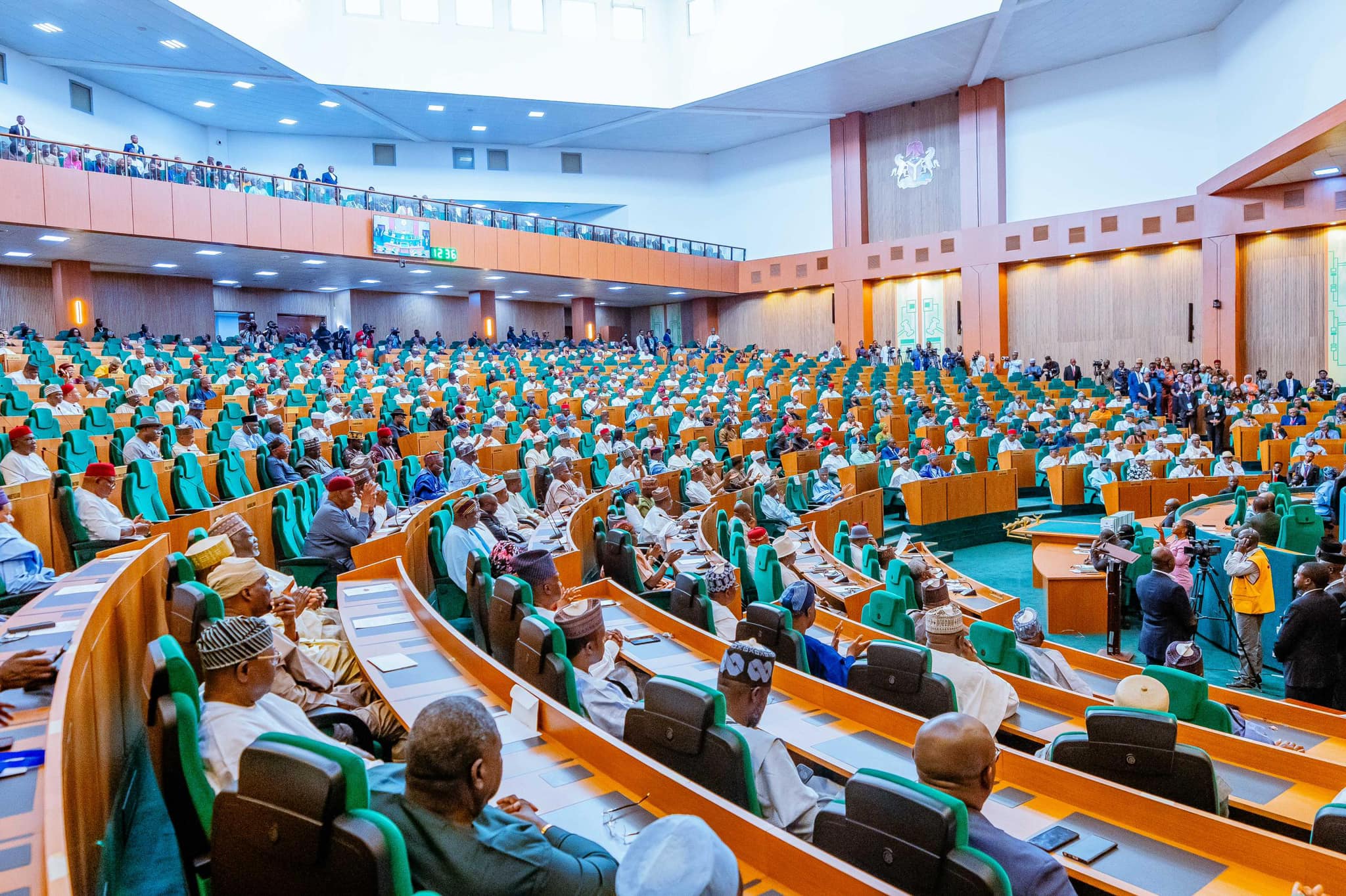
During the discussions, House Leader, Julius Ihonvbere (APC, Edo), questioned NAFDAC’s ability to manage the country's pharmaceutical and herbal medicine markets.
He pointed out that NAFDAC has about 2,000 staff, but argued it needs around 10,000 workers to do its job effectively across Nigeria.
Mr Ihonvbere called for tougher penalties for those found guilty of making and selling dangerous products.
Ali Shettima (APC, Yobe) also asked for a national investigation into fake medicines. Fatima Talba (APC, Yobe) noted that efforts to limit unregulated herbal products should also look at the lack of access to affordable and reliable healthcare options.
The House then directed its committees to invite the three agencies to update them on their investigations and actions to stop more dangerous products from being sold.
Displaced Nigerians in Gabon get attention from House
Members of the House urged the federal government to take quick diplomatic and humanitarian actions to help thousands of Nigerians displaced in Gabon. Their homes and businesses were destroyed by the country’s authorities.
The displaced Nigerians are mostly Ilaje fishermen from Ondo State who have lived and worked along Gabon’s fishing coast for many years.
The lawmakers backed a motion of urgent public importance sponsored by Donald Ojogo (APC, Ondo). He expressed worry that the demolitions have left many Nigerians without homes and facing health and other humanitarian issues.
Mr Ojogo asked the government to start discussions with Gabon’s authorities to find out what happened during the demolitions and to ensure that the rights and welfare of the affected Nigerians are protected.
After adopting the motion without debate, the House instructed its Committees on Foreign Affairs and Cooperation and Integration in Africa to look into the matter and talk to the relevant authorities.
The committees are expected to check on the living conditions and welfare of the displaced Nigerians and report back to the House within 14 legislative days.




Comments
No comments yet.