Niger Assembly Lacks Website, Hurting Residents' Access to Information
Niger State House of Assembly lacks a website after 27 years of democracy. This hinders residents' access to vital legislative information and raises concerns about digital governance.

Nigeria is putting money into Digital Public Infrastructure to help citizens connect better with the government. This includes systems like digital identity, digital payments, and safe data sharing.
These systems aim to make public services work better and allow trusted information exchange across different government bodies. This should also improve how people access government services.
Bosun Tijani, the Minister of Communications, Innovation and Digital Economy, has said that Digital Public Infrastructure is like roads and electricity. He believes it can help build trust in government, empower citizens, and speed up economic growth across Africa.
But while Nigeria is working on these digital tools, one important democratic body in Niger State is still missing out. After 27 years of democracy since 1999, the Niger State House of Assembly still does not have a website where residents can find bills, committee reports, voting records, and other legislative documents.
This lack of a website is more than just an inconvenience. Experts say it raises questions about Nigeria's ability to create a digital public space when one of its main democratic institutions is not digitally connected.
Ali Sabo, Digital Rights Lead at the Centre for Information Technology and Development, said legislative bodies should be involved in Nigeria’s emerging digital landscape. He said, "If the objective of Digital Public Infrastructure is to improve public service delivery, strengthen state-citizen relations, and promote inclusive development, then democratic institutions, including legislatures, must also be part of the conversation."
Mr Sabo pointed out that legislatures have important roles in democracy, like making laws, overseeing government actions, approving budgets, and representing citizens. He explained that digital platforms for legislatures help citizens monitor and engage with democratic processes.
He added, "Just as digital identity systems enable citizens to prove who they are and digital payment systems facilitate economic transactions, legislative digital platforms enable citizens to access, monitor, and engage with democratic processes."
In 2024, a journalist from Minna, Ibrahim Ndamitso, started looking into a bill for a new School of Nursing and Midwifery in Suleja, a town close to Abuja. He said the proposal was shared on the Assembly’s official Facebook page. But when he tried to get the bill and other documents, he found no digital records.
He mentioned that this proposal came at a time when funds for existing schools were decreasing due to low budget allocations. He wanted to know why another school was being created. Without a way to verify the proposal or see its legislative history, he gave up on the investigation.
“Access to information remains the fuel for every journalist and anytime it becomes selective the story is abandoned,” he said. “With the increasing insecurity and cost of transportation, journalists go online to access information, and for the state assembly to be completely absent online is an indication that the assembly is not committed to opening its books for the public.”
He noted that the idea for the assembly’s website was brought up during the 10th assembly between 2023 and 2024, but he could not find out how far it went because there were no public records available.
“I don’t know whether funds were released or whether the proposal advanced, because there is simply no way for citizens to verify those details online,” he said.
Globally, Digital Public Infrastructure often includes digital identity, payment systems, and trusted data exchange. But experts say it should also cover systems where citizens interact with democratic institutions.
For legislatures, this means more than just having a website. They need to maintain searchable databases of bills, committee reports, legislative calendars, voting records, and public meeting notices. This allows citizens to monitor lawmaking, understand public decisions, and hold their elected officials accountable.
Experts believe these systems help create a digital space for democratic participation. They reduce barriers to information and let citizens engage with the government without needing personal connections or physical visits.
Digital Public Infrastructure is crucial for participation in society. This infrastructure should be inclusive, foundational, and publicly accountable.
By this standard, the lack of a digital platform in the Niger State House of Assembly raises concerns about how citizens can fully engage in democratic governance when access to laws and legislative records relies on physical visits.

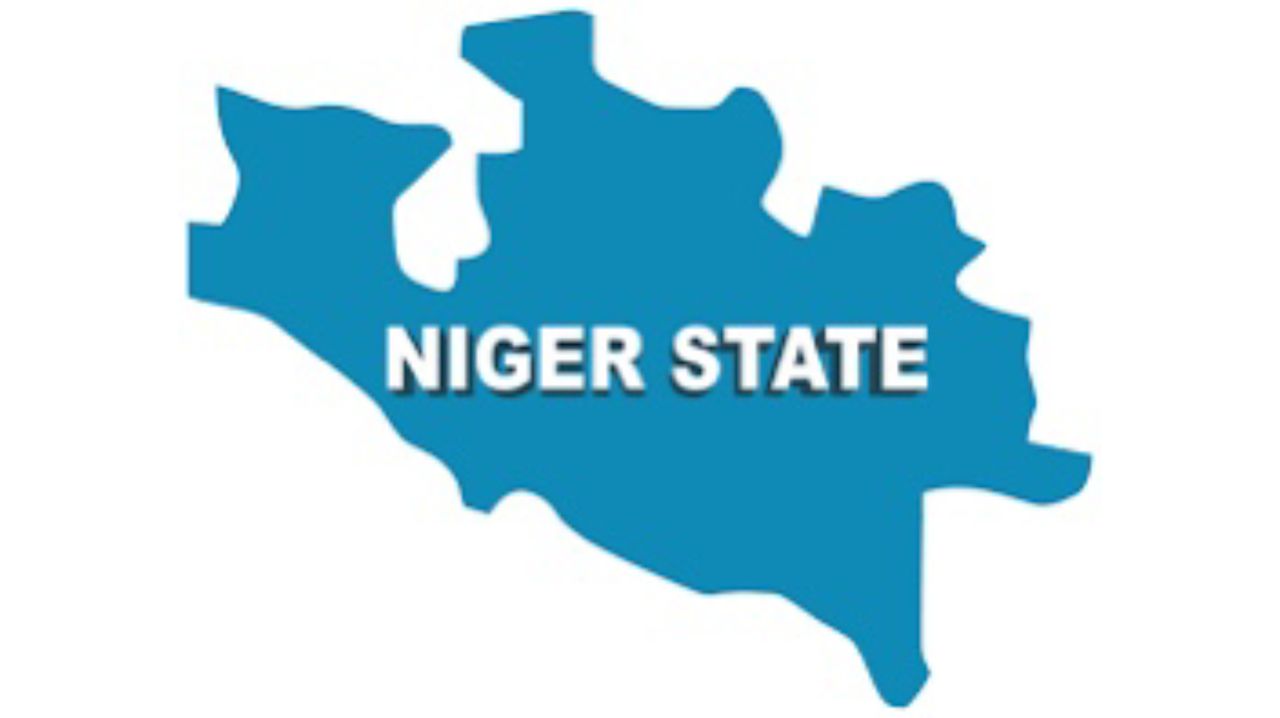
Unlike the National Assembly and other state legislatures that have websites with some legislative information, Niger State’s legislature has no online database of bills, debates, or voting records. This gap affects both journalists and citizens.
Yunusa Umar, another journalist covering governance in Niger State, believes the lack of a website hurts transparency and citizen involvement in governance. He said, "In today’s digital age, citizens deserve easy access to information about laws, motions, budgets, and the activities of their elected representatives."
He added that without a digital platform, many people do not know what happens in the Assembly. This causes a communication gap between lawmakers and the public. It reduces accountability, spreads misinformation, and limits youth involvement in governance.
“A basic website would improve transparency, keep legislative records, update the public, and show the assembly as modern and responsible. Democracy works better when people are informed, and a good website helps with that,” he said.
The lack of digital access also complicates things for citizens who want public information. Mr Umar raised concerns about how ordinary citizens might struggle to get information.
“For us journalists, the situation is a bit fair because we could file FOI requests,” he said. “But it is not the same with ordinary citizens who may not have much time to go through these physical processes.”
Nigeria’s Freedom of Information Act 2011 gives a way to access government records, but getting legislative documents often needs physical visits, written requests, and long processes.
Lawyers say that real access to public information should rely on governments publishing records proactively through digital means. Abdullah Tijani, a lawyer in Abuja, said, "All public institutions are required to publish their records as widely as they can, and the only way they can effectively do that in this digital age is through digital means."
He explained that if public institutions want to follow the rules of the FOI Act, they must keep digital records. The law requires agencies to actively record and share details about their work for the public.
This situation also goes against Nigeria’s broader goals for digital governance. The National Digital Economy Policy encourages digitizing public institutions to improve transparency and citizen involvement. Nigeria’s commitments under the Open Government Partnership stress openness and accountability in governance.
Governance experts say legislatures must join these changes if governments want to build real Digital Public Infrastructure. Mr Sabo said, "Accountability is weakened when citizens, journalists, civil society organizations and researchers cannot easily monitor the activities of elected representatives."
He added, "Digital platforms create permanent and searchable records of government actions, making it easier to assess performance and hold public officials accountable."
When contacted, Ruqayyah Tanko, the spokesperson for the Niger State House of Assembly, admitted they do not have a website but said they are working on it. She said, "There is a proposal for the assembly to have its own website.” However, Ms Tanko did not say when it would be ready.
Mr Ndamitso suggested that the Assembly leadership should “build a simple online platform that provides up-to-date information on bills, debates, proceedings, and decisions of the House.”
He said, “Legislative records are not only for journalists. Researchers, investors, and citizens worldwide may need to understand how the Assembly works.”
Mr Sabo called on the government to see parliamentary websites and transparency platforms as essential public infrastructure. He said, "In the digital age, access to legislative information is not a luxury; it is a democratic necessity."
He added, "These platforms should not be seen merely as public relations tools but as essential infrastructure that enables citizens to exercise their democratic rights.”





Comments
No comments yet.