Nigeria shifts to local funding for nutrition programs as donor support drops
The Nigerian government is now funding nutrition programs locally due to reduced donor support. This shift aims to tackle the country's severe malnutrition issues.
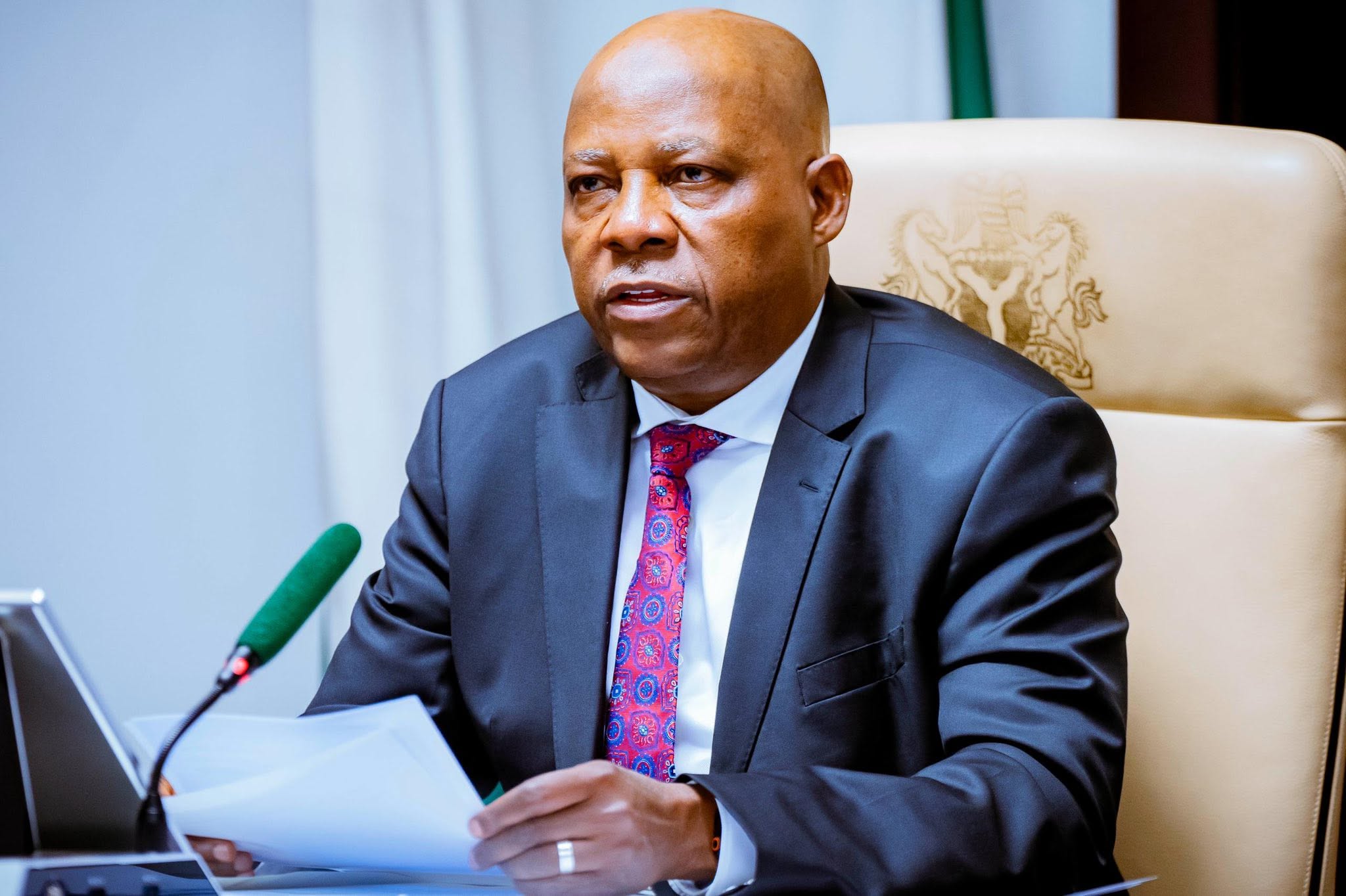
The federal government has switched to a local funding model for nutrition programs. This marks a big change as Nigeria aims to depend less on donor support amid worries about a worldwide drop in aid for development.
This decision was made on Wednesday during the second high-level meeting of the Nutrition 774 (N-774) Initiative Strategic Board. Vice President Kashim Shettima led the meeting at the Presidential Villa in Abuja.
As part of this plan, the board told the Federal Ministry of Finance and other stakeholders to start using existing funding methods. This includes the Presidential Nutrition Intervention Fund (PNIF) and money from the Sugar-Sweetened Beverage (SSB) levy. These funds will help support nutrition programs across Nigeria.
Mr Shettima spoke at the meeting, saying Nigeria can no longer think that outside help will always be there. He said, "The domestic financing architecture must be activated now," and warned that nutrition programs should not be left open to changing priorities of donors.
Nigeria’s malnutrition problem
This funding decision comes as Nigeria faces one of the highest rates of malnutrition in the world. Data from the Federal Ministry of Health and development partners show that Nigeria has one of the highest numbers of malnourished children globally.
About two million children suffer from severe acute malnutrition every year, and many more deal with stunting and other types of undernutrition. Poor nutrition is a big reason for child deaths and can lead to lasting issues, like slower physical growth, lower learning abilities, and reduced productivity in adulthood.
To address these problems, the National Economic Council (NEC) started the Nutrition 774 Initiative. This initiative aims to improve coordination and accountability for nutrition efforts in all 774 local government areas.
Funding shortfall
Mr Shettima pointed out that Nigeria needs to quickly address the estimated N500 billion funding gap in the nutrition sector. He emphasized that any commitment to better nutrition outcomes must come with enough money.
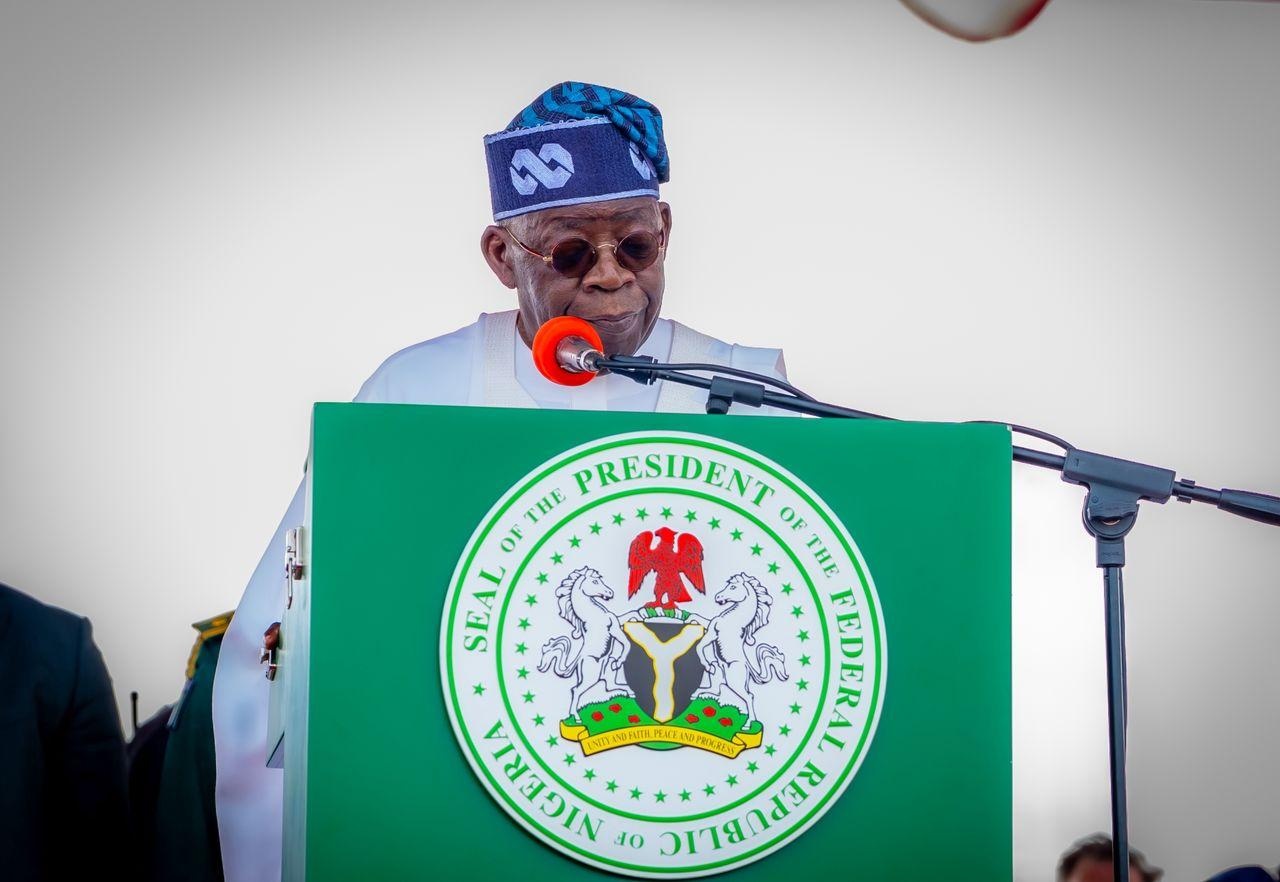
He noted that nutrition is a crucial part of President Bola Tinubu’s plan for human capital development. Investments in child nutrition are key to building a healthier population that can support Nigeria's growth and future development.
Beyond funding, the vice president raised concerns about the slow progress in setting up nutrition governance at the state level. He urged the 26 states that have not yet set up their State Councils on Nutrition to do so. He also called for the creation of Local Government Committees on Food and Nutrition in the 304 local government areas where they are currently missing.
According to him, better involvement from state and local governments will be vital to reach the goals of the Nutrition 774 Initiative.
Suggested nutrition law
The board also talked about a National Nutrition Bill that aims to give legal support for nutrition efforts and strengthen accountability. Mr Shettima asked the initiative's secretariat to work with lawmakers, state governments, and development partners before sending the proposed law to the National Assembly.
The suggested law is meant to support ongoing efforts to establish nutrition programs and ensure stable funding for initiatives aimed at mothers and children.




Comments
No comments yet.