Nigeria starts e-cooking project to boost clean energy use
Nigeria has launched a national project to integrate electric cooking into its Clean Cooking Policy, aiming to improve clean energy access and reduce emissions.
The federal government has kicked off a national project to add electric cooking (e-cooking) to Nigeria's Clean Cooking Policy. This is part of a wider plan to improve access to clean energy, cut emissions, and raise funds for sustainable cooking methods.
The project was launched on Thursday during a workshop called "Integrating E-Cooking in Nigeria’s Clean Cooking Policy Implementation Plan and Funding Proposals to Implement E-Cooking." This event was organized by the Federal Ministry of Environment in partnership with development groups.
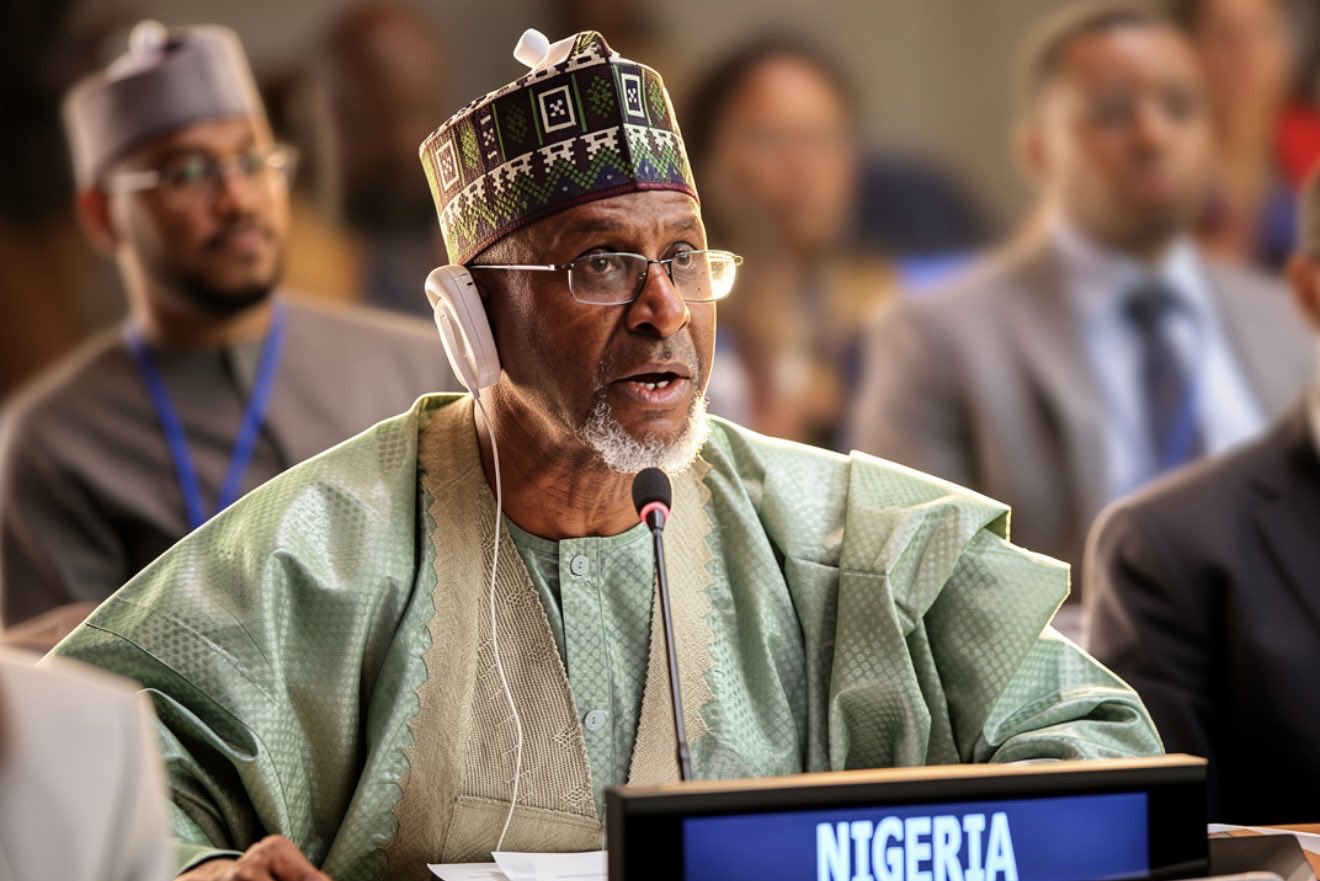
Salihu Usman, the permanent secretary of the Federal Ministry of Environment, spoke at the event, represented by Iniobong Abiola-Awe, the Director of the Department of Climate Change. He said the project is a big step towards fighting energy poverty, climate change, and environmental problems linked to using firewood, charcoal, and other traditional cooking fuels.
"This workshop comes at a critical moment in Nigeria’s development journey as we seek practical, inclusive, and sustainable solutions to address energy poverty, climate change, public health challenges, and environmental degradation," the ministry stated.
The ministry mentioned that this initiative shows the government’s aim to speed up the shift to "clean, modern, and affordable cooking solutions for all Nigerians."
They pointed out that even though many Nigerians still cook with biomass fuels, the country is starting to build a policy framework for cleaner cooking options. They reminded everyone that the National Clean Cooking Policy, introduced in 2024, aims to increase access to safe, affordable, and sustainable cooking technologies through better investment and coordination.
The next step is to add electric cooking to this policy's implementation. "E-Cooking, which uses electricity from grid-connected, mini-grid, solar, and other renewable energy systems for cooking, offers substantial environmental, economic and social benefits," the ministry said.
The ministry also noted that improvements in renewable energy technology, mini-grids, and energy-efficient appliances have made electric cooking more practical for homes, businesses, and institutions. They said wider use of e-cooking would lower greenhouse gas emissions, enhance indoor air quality, ease pressure on forests, and boost energy efficiency in households.
The government said including e-cooking fits with Nigeria’s Energy Transition Plan, which aims for net-zero emissions by 2060 while increasing access to electricity. They also said this initiative would help Nigeria meet its Nationally Determined Contribution (NDC) under the Paris Agreement by cutting emissions in the residential energy sector.
Furthermore, they said electric cooking could support the National Adaptation Plan by reducing reliance on unsustainable biomass, improving ecosystem resilience, and enhancing livelihoods, especially for women and rural communities.
The ministry recognized that increasing the use of electric cooking will need significant investment to tackle challenges like costs, poor infrastructure, low consumer awareness, and weak market development. The project will focus on creating solid strategies and funding proposals that can attract money from public agencies, private investors, development finance institutions, carbon markets, and international climate funds.
"The development of bankable funding proposals will enable us to mobilise resources… to support the large-scale deployment of e-Cooking solutions across Nigeria," the ministry said. They also promised continued support for related initiatives, such as raising climate finance, renewable energy projects, restoring ecosystems, and promoting gender-responsive climate action.
Mrs Abiola-Awe noted that creating local value chains for electric cooking appliances would boost local manufacturing, create green jobs, cut down on imports, and strengthen Nigeria's clean energy economy. She emphasized that partnerships with the private sector, financial institutions, and development partners are key to expanding the market while ensuring that vulnerable communities are not left behind.
She also called for more focus on women, young people, and children who suffer the most from traditional cooking methods.
In her speech, Asma’u Jibril, the Climate and Clean Air Coalition (CCAC) Focal Point for Nigeria, said adding electric cooking to the national clean cooking plan is a great chance to diversify Nigeria’s clean energy options. She said this initiative supports ongoing government efforts to develop renewable energy, attract climate finance, restore damaged ecosystems, and promote green industrial growth.
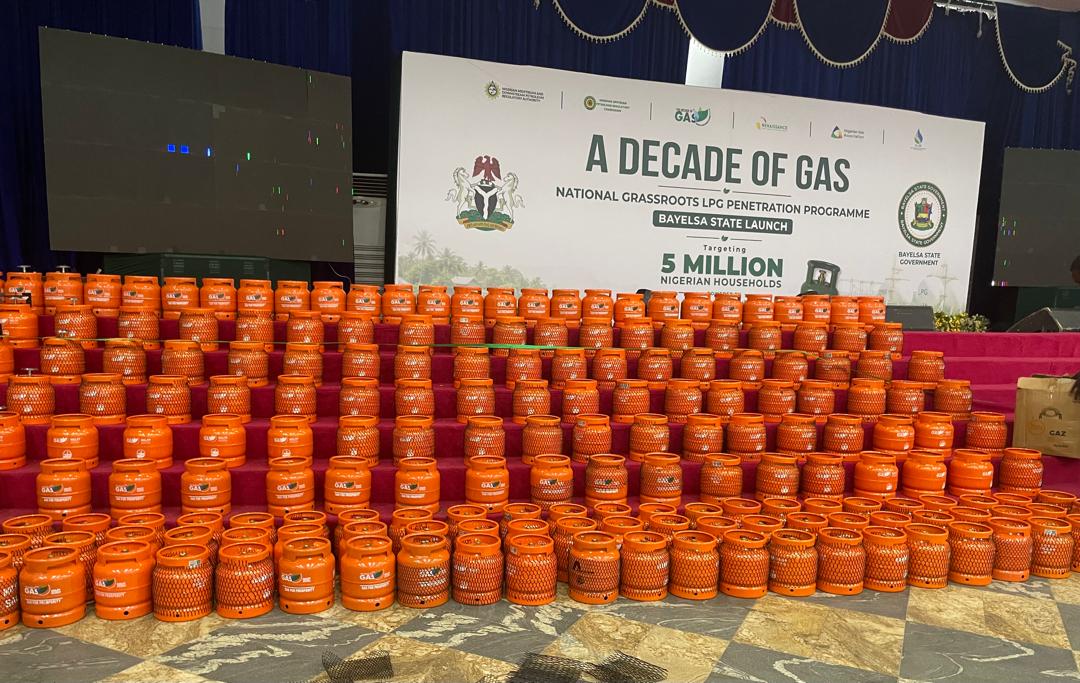
Mrs Jibril shared that the government has given out 3,400 clean cookstoves in each participating state, such as Yobe, Ogun, Oyo, Kebbi, Bayelsa, Borno, and Ebonyi, with distributions in the Federal Capital Territory and Kano nearing completion.
She said the workshop will focus on creating practical financing models to help roll out electric cooking technologies nationwide. "Sustainable financing remains one of the critical barriers to widespread adoption of clean cooking technologies," she said.
She urged participants to come up with practical suggestions on affordability, infrastructure, local manufacturing, consumer awareness, and quality standards to speed up the adoption of clean cooking technologies across Nigeria.
The workshop brought together government bodies, development partners, researchers, civil society groups, and private sector players to create a plan for including electric cooking in Nigeria’s clean cooking policy and for gathering resources for large-scale deployment.





Comments
No comments yet.