NUPRC warns investors on gas flare sites over lack of progress
The NUPRC has warned investors that permits for gas flare sites may be revoked if they do not show real progress. The NGFCP aims to stop gas flaring by utilizing the gas.
The Nigerian Upstream Petroleum Regulatory Commission (NUPRC) has issued a warning. It may take back permits given to investors under the Nigerian Gas Flare Commercialisation Programme (NGFCP) if they do not show real progress in using the sites.
The Commission Chief Executive, Oritsemeyiwa Eyesan, shared this information during a visit to the Minister of State for Petroleum Resources (Gas), Ekperikpe Ekpo, in Abuja on Tuesday.
Mrs Eyesan, in a statement from the commission on Wednesday, gave an update on how the NGFCP is being carried out during the meeting.
"One year after an award has been granted, the Commission conducts an evaluation to determine whether there has been considerable progress," she said.
"Where there is insufficient progress, the Commission will take appropriate regulatory action, including revocation of the award where necessary."
27 flare sites awarded
Mrs Eyesan noted that the NGFCP has made good progress despite some initial pushback from oil and gas companies.
She said that 43 flare gas sites were identified for awards; 27 have been awarded successfully, and work is still ongoing.
The Nigerian Gas Flare Commercialisation Programme started in 2016. The goal is to stop routine gas flaring at oil fields by allowing third-party investors to make use of gas that would otherwise be flared.
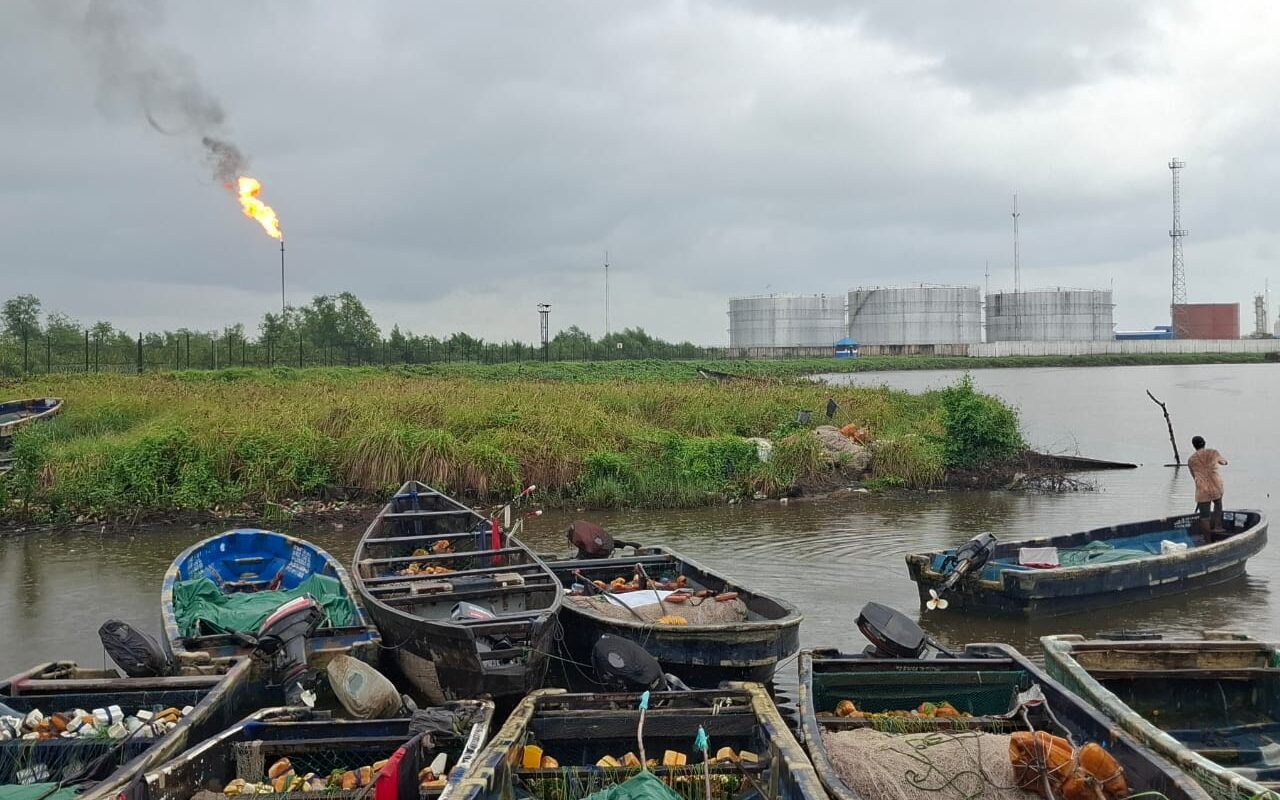
This warning comes as worries grow over ongoing gas flaring by oil companies and how it affects oil-producing communities.
Investigations have shown the environmental and economic damage caused by constant gas leaks and flaring in these areas. There are also reports of oil companies breaking gas-flaring rules without facing real punishment.

Nigeria's gas reserves
Nigeria has over 215 trillion cubic feet (TCF) of proven natural gas reserves. Mrs Eyesan mentioned that the country has about 600 TCF in total reserves.
"These resources provide a strong foundation for power generation, industrialisation, exports and broader economic development," she said.
She added that effectively commercialising the country's gas resources would help Nigeria gain more economic benefits while cutting down on pollution from gas flaring.
On the development of host communities, the NUPRC chief explained that the Petroleum Industry Act (PIA) created the Host Community Development Trust framework. This was done to tackle long-standing issues in oil-producing areas and support sustainable development.
She said data shows that the trusts have helped reduce oil theft and spills while improving relations between companies and local communities.
"Today, 173 Host Community Development Trusts have been set up, 147 have received funding, over 1,001 projects are ongoing, while more than 200 projects have been successfully completed in these communities," she said.
Mr Ekpo also emphasized the need for strong and focused action on Nigeria’s gas commercialisation programme. This is necessary for the country to meet its 2030 goal of ending routine gas flaring.
"The core objective is to add value to our gas resources by converting them into critical products and services. We must move away from environmental pollution and toward productive resource use," the minister said.





Comments
No comments yet.