Akwa Ibom Residents Urged to Demand Action on Gas Flare Funds
Residents of Eastern Obolo are encouraged to demand action on gas flare funds for environmental cleanup. The PEER Foundation aims to educate communities on their rights.
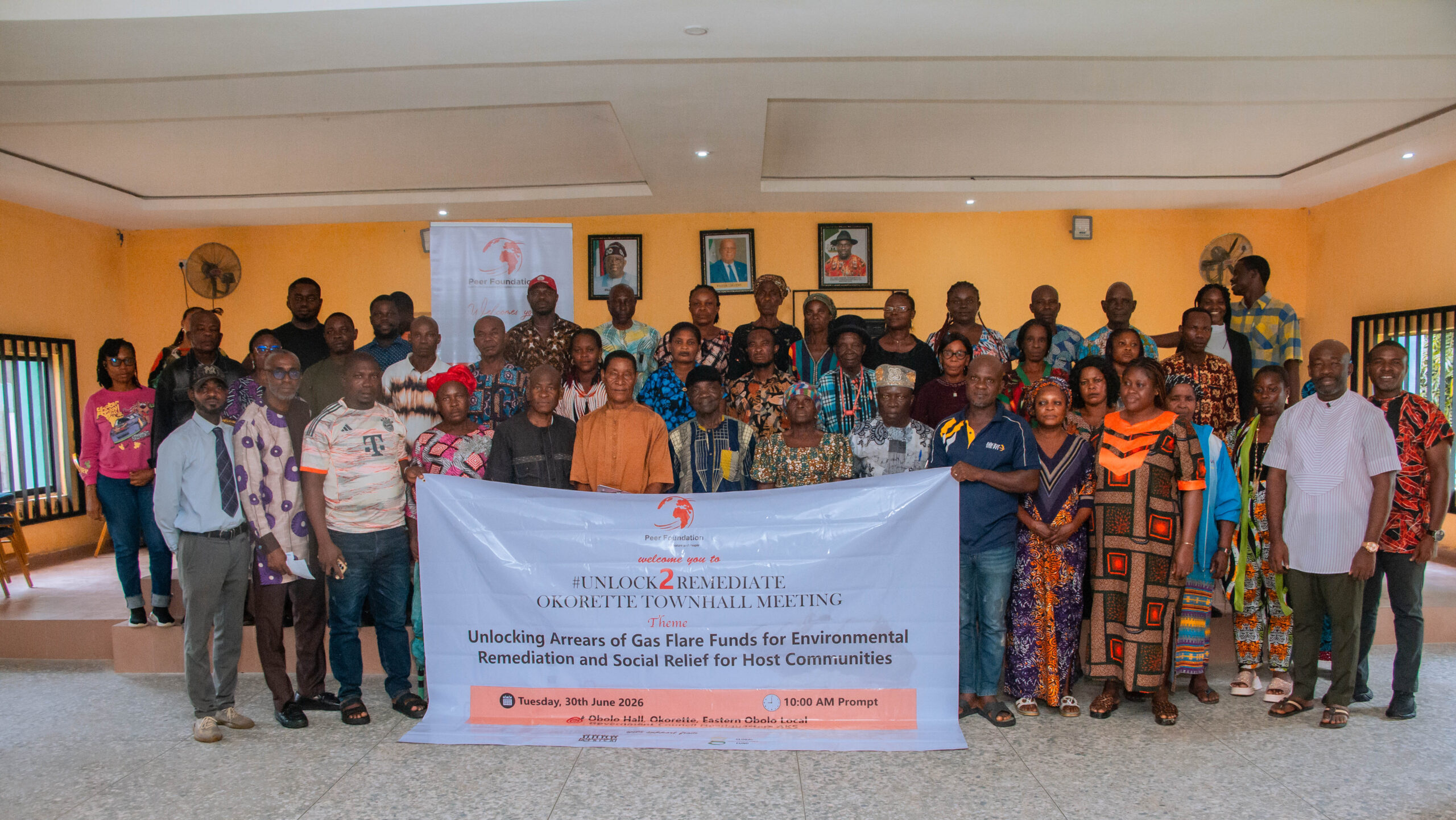
Residents of Eastern Obolo Local Government Area in Akwa Ibom State are being encouraged to hold authorities accountable for gas flare funds meant for environmental cleanup. This comes as worries rise over the damage caused by years of oil and gas production in the region.
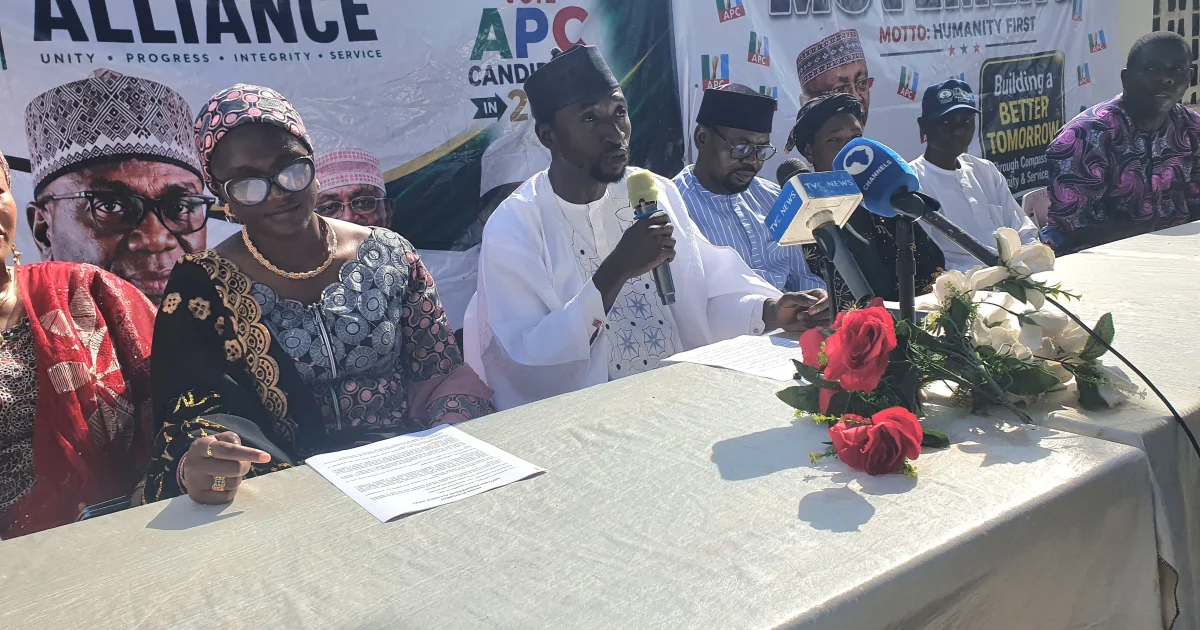
This call was made on Tuesday during a community meeting held by the Ibom Peoples Empowerment and Ecosystem Restoration (PEER) Foundation. The event took place in Okoroette, which is the headquarters of Eastern Obolo, and is part of the Unlock2Remediate Project.
Eastern Obolo is home to nine oil fields run by five different oil companies. These include Seplat Energy, which operates OML 67, 68, 70, and 104; Total Energies managing OMLs 99 and 100; Sterling Oil handling OML 13; Amni International running OML 112; and Esso Exploration and Production Nigeria, linked to ExxonMobil, which operates the deepwater oil block OML 139.
The project aims to teach host communities about the laws around gas flare payments. It also aims to inform them about their rights to ask for these funds to be used for restoring damaged environments and helping those affected.
At the event, Mfon Gabriel, the Executive Director of PEER Foundation, stated that many host communities have been left out of discussions about gas flare revenues. This is despite the fact that they suffer the environmental effects of oil and gas activities.
Gabriel added that the project, titled “Unlocking Arrears of Gas Flare Funds for Environmental Remediation and Social Relief for Host Communities,” is meant to give residents the tools they need to demand transparency and accountability regarding gas flare funds.
“Our goal is to make sure that host communities know these funds are available under the law for environmental restoration and social relief. Communities need the knowledge to engage institutions and demand accountability for how the funds are used,” Mr Gabriel said.
He also discussed Nigeria's petroleum fiscal system and explained how gas flare payments from 2021 to 2025 could affect Eastern Obolo and other host communities.
Ubong Ekpe, the State Support Officer of Connected Development, urged residents to take an active role in protecting their environment. He suggested that they monitor remediation efforts in their communities.
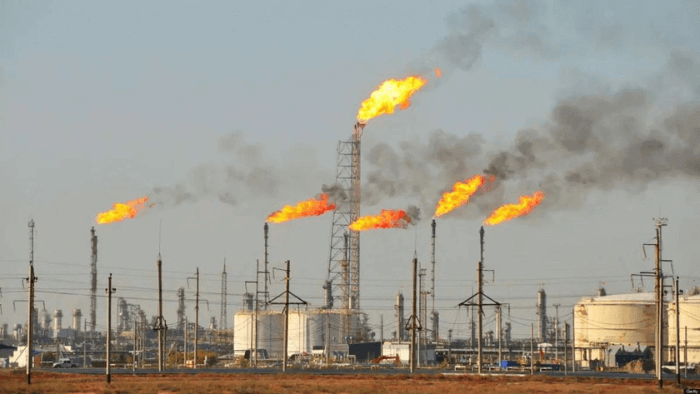
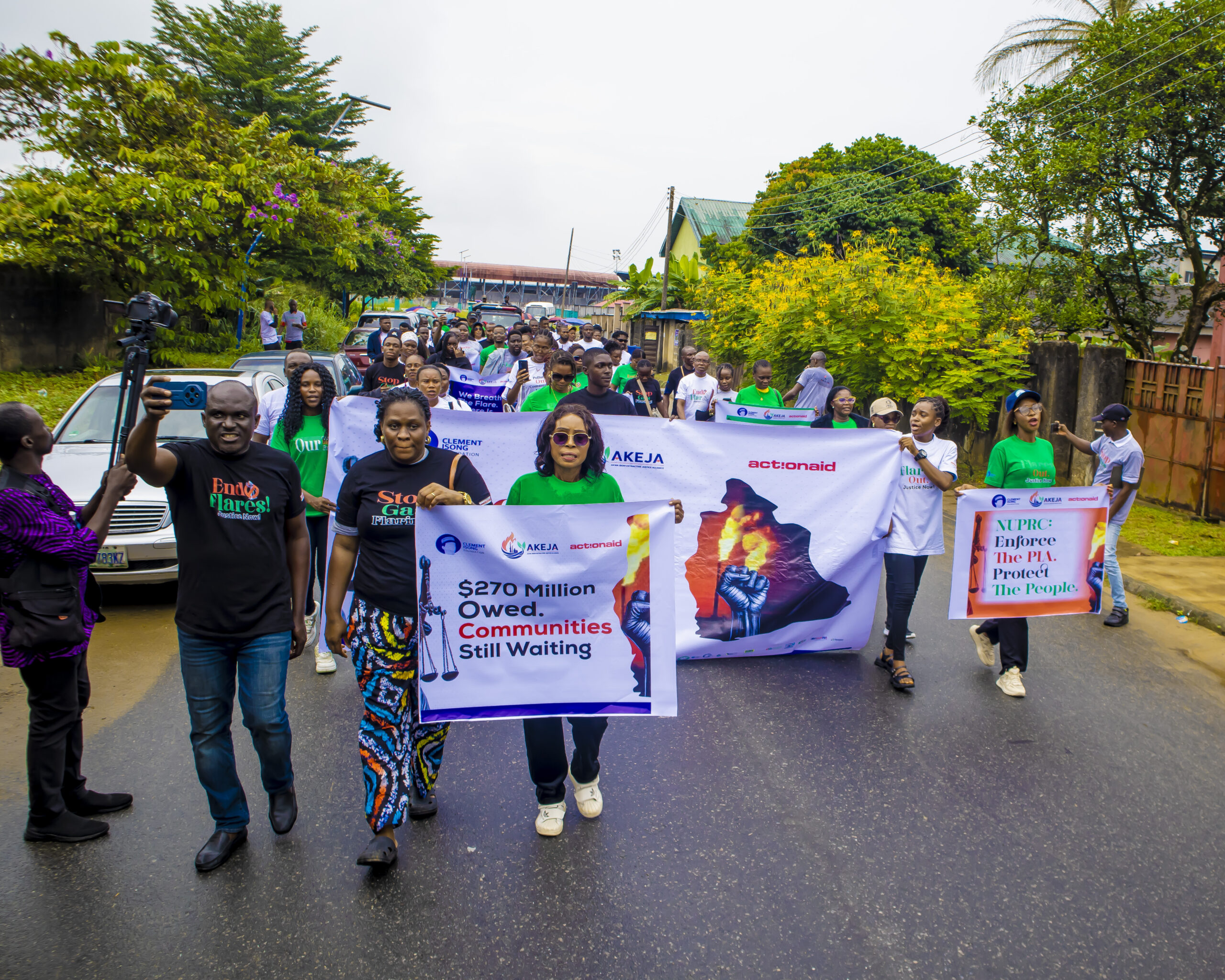
In his talk titled “Restorative Ecology and Livelihood Security in Eastern Obolo: Why Mangrove Conservation and Toxic Cleanup Matter for Eastern Obolo Host Communities,” Mr Ekpe pointed out that pollution from oil and gas operations threatens fishing, farming, and other traditional livelihoods.
He pushed for the creation of community monitoring committees to oversee environmental restoration and recommended regular meetings between oil companies and host communities to ensure transparency and adherence to environmental rules.
Ekemini Simon, a journalist and expert in extractive governance, also spoke. He reviewed the legal rules around gas flare funds under the Petroleum Industry Act (PIA) 2021.
In his talk, “Understanding Your Right to the Environmental Remediation Fund and Guarding Against Executive Order 9,” Mr Simon explained Sections 104(1) to 104(4) of the Act. These sections cover how gas flare penalties can be used for environmental restoration in affected areas.
He also discussed the effects of Executive Order 9 from President Bola Tinubu, which will redirect gas flare revenues into the Federation Account starting in February 2026. He emphasized the need for ongoing civic engagement to ensure host communities continue to seek environmental justice.
Participants at the event, including traditional leaders, women, and youth leaders, praised the initiative. They said it is a vital step towards solving years of environmental damage in Eastern Obolo.
They called for more public awareness about the available legal protections and better collaboration among host communities in the Niger Delta. This will help ensure that gas flare revenues are used for environmental restoration.
PEER Foundation noted that this engagement is just the beginning of a campaign that will reach other oil-producing areas in Akwa Ibom State, including Effiat in Mbo Local Government Area.




Comments
No comments yet.