Oriire Kidnap: Time to Take Action
The Oriire kidnapping raises serious concerns about security in Nigeria. Recent reports reveal captured terrorists and threats to their families.
There is still a lot we need to learn. It is time to count the chicks. Some bits of information are coming out. Reports say that eight terrorists were captured alive, while others were killed. This needs to be confirmed. It is said that security forces rounded up family members of the terrorists in different states in Northern Nigeria. They sent a strong message: those family members will be killed if more victims die, beyond the tragic murder of Michael Oyedokun and another teacher on the day of the kidnap. This is interesting, if true.
Growing up in Ijebu-Ode, my job included helping other kids protect our family hens and their chicks from danger. A practical saying guided us: first, drive away the eagle before counting the chicks. This meant we had to be ready with stones and catapults when the hens were in danger from an eagle circling above. If we stayed alert and prepared, the predator had no chance.
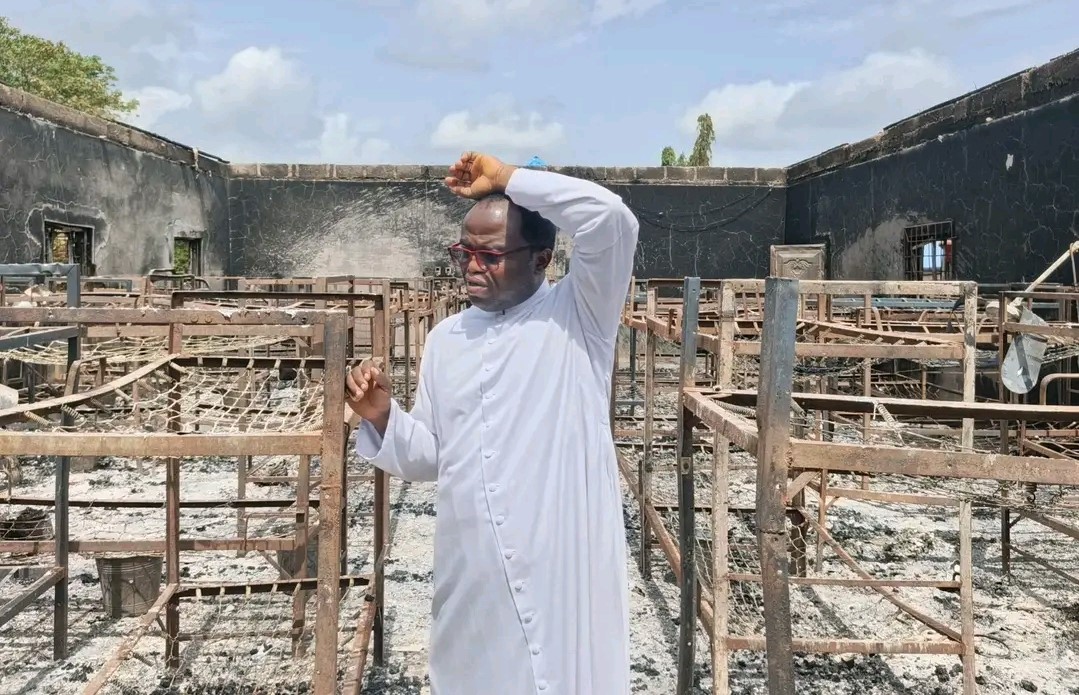
The Oriire kidnapping of children and teachers in Oyo State is on my mind. It was good that our security forces got involved and after 56 days rescued the victims. I join many Nigerians in thanking the security forces under President Bola Ahmed Tinubu, who seemed to work behind the scenes with Oyo State Governor, Seyi Makinde. So far, we have been told that no ransom was paid, and no deals were made with the kidnappers for the safe release of the victims.
Governor Seyi Makinde’s call for further investigation into the roots of this crisis would be welcomed if it did not stray from usual diplomatic protocols. A state leader should ideally understand how the international system works to know the limited role of the United Nations. This request looks misguided when seen through the lens of international relations and the legal rules about global interventions.
The Human Rights Council could have helped Governor Makinde if the situation was worse than what was seen in Oyo. President Bola Ahmed Tinubu would not mind external intervention. If he did mind, the investigation team would not get visas, even though the report could be put together from outside. But for such a report to matter, it would need the Security Council's intervention.
It seems that Governor Seyi Makinde may have been confused by the Yoruba translation of United Nations as: "Ijoba Agb’aiye", meaning World Government, where the UN Secretary-General is seen as the President of the World. This could not be further from the truth. The UN is not a government. It has no police or military force. The Secretary-General is part of one of the main bodies within the UN system. In the words of the British Permanent Representative to Professor Ibrahim Agboola Gambari and me, as we campaigned for General Olusegun Obasanjo to be the UN Secretary-General in 1991, the role is more of a secretary than a general.
Real power at the UN lies more with the Security Council, given that it can make decisions if the veto system allows. The General Assembly has the power of money but the Secretary-General is mostly a secretary working for a group of member states. His visibility as a spokesperson for the will of the union does not make him the boss. He has some power over his staff, but strong countries often challenge him. He also has a role in making pleas for peace, development, and human rights around the world. He gets a lot of media attention for these efforts.

The UN Secretariat and its agencies cannot engage with states below the national government level, unless there is a specific resolution from the Security Council or a request for help by the national government. Those calling for the breakup of Nigeria do not understand this. They misled Nigerians by claiming they had written to the UN for some kind of punishment for Nigeria. Sure, some requests could be included in the many reports the UN puts out each year, but without a specific resolution that holds weight, it is just an academic exercise. This is if none of the five Permanent Members of the Security Council blocks it.
It is time to count the chicks. With 49 Nigerians now safe from the terrorists, Governor Makinde could have done better by addressing his concerns directly within Nigeria. By rallying support from the Governors Forum, credible Civil Society Organisations, and investigative journalism, he could have sought clarity on how the victims were taken and rescued.
Requests for support, including materials and knowledge sharing could be made to the UN Secretariat and its agencies if needed, but not for an investigation into kidnappings by terrorists. This was a major event for the South-West of Nigeria, especially with the beheading of a teacher and the killing of another, along with 42 children and seven teachers held in the forest for 56 days. Even worse situations like a civil war need caution to avoid having the UN cross the sovereignty of a member state, no matter how weak that state may be. An investigation would need a Chapter 7 resolution from the Security Council. The general responsibility to protect cannot be used in this case, especially not through a simple statement from a Governor.
The Human Rights Council could have helped Governor Makinde if the situation was more serious than what happened in Oyo. If President Tinubu is against external intervention, the investigation team would not get visas, but the report could still be made from outside. For such a report to count, it would need the Security Council's intervention to enforce sanctions, as long as Nigeria had no veto-wielding friend who could block it in exchange for an interest Nigeria could support.
It is time to count the chicks. With 49 Nigerians safe from the terrorists, Governor Makinde could have taken a more proactive approach by dealing with his concerns directly within the national framework. By building internal pressure through the Governors Forum, credible Civil Society Organisations, and investigative journalism, he could have sought clarity on how the victims were taken and freed. I think bypassing Nigeria for an external appeal was a lost chance for a more statecraft-aligned approach. This situation is still within Nigeria's capacity to manage. Therefore, it is not too late to seek accountability and learn lessons for the future, especially in Northern Nigeria.


Comments
No comments yet.