Osun State Governorship Election: Key Players and Issues
The Osun State governorship election features key candidates including Governor Ademola Adeleke. The election is crucial as it follows a leadership crisis in the PDP.
Residents of Osun State will vote on Saturday to choose their governor for the next four years. This off-cycle election is shaping up to be one of the most competitive political battles in Nigeria since the 2023 general elections.
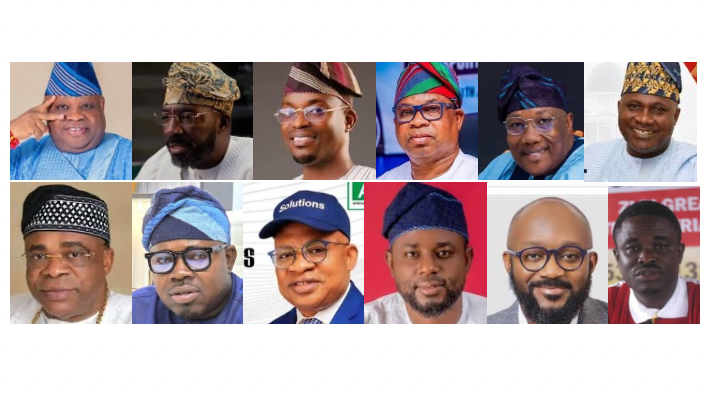
Fifteen candidates have been cleared by the Independent National Electoral Commission (INEC). The APGA candidate, Adesina Adeyemi-Doro, announced he is pulling out to support the APC candidate. Despite this, he is still expected to appear on the ballot.
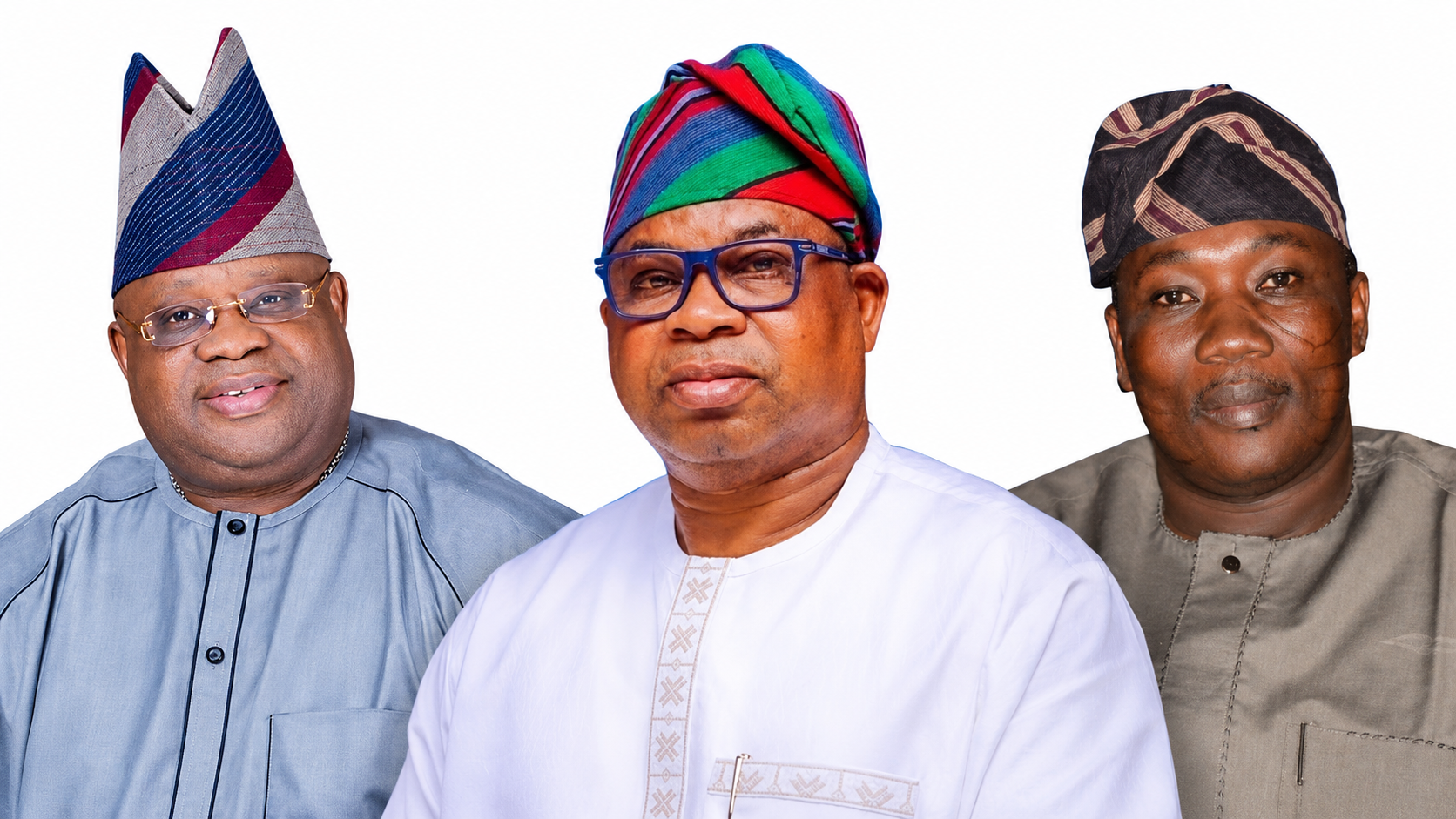
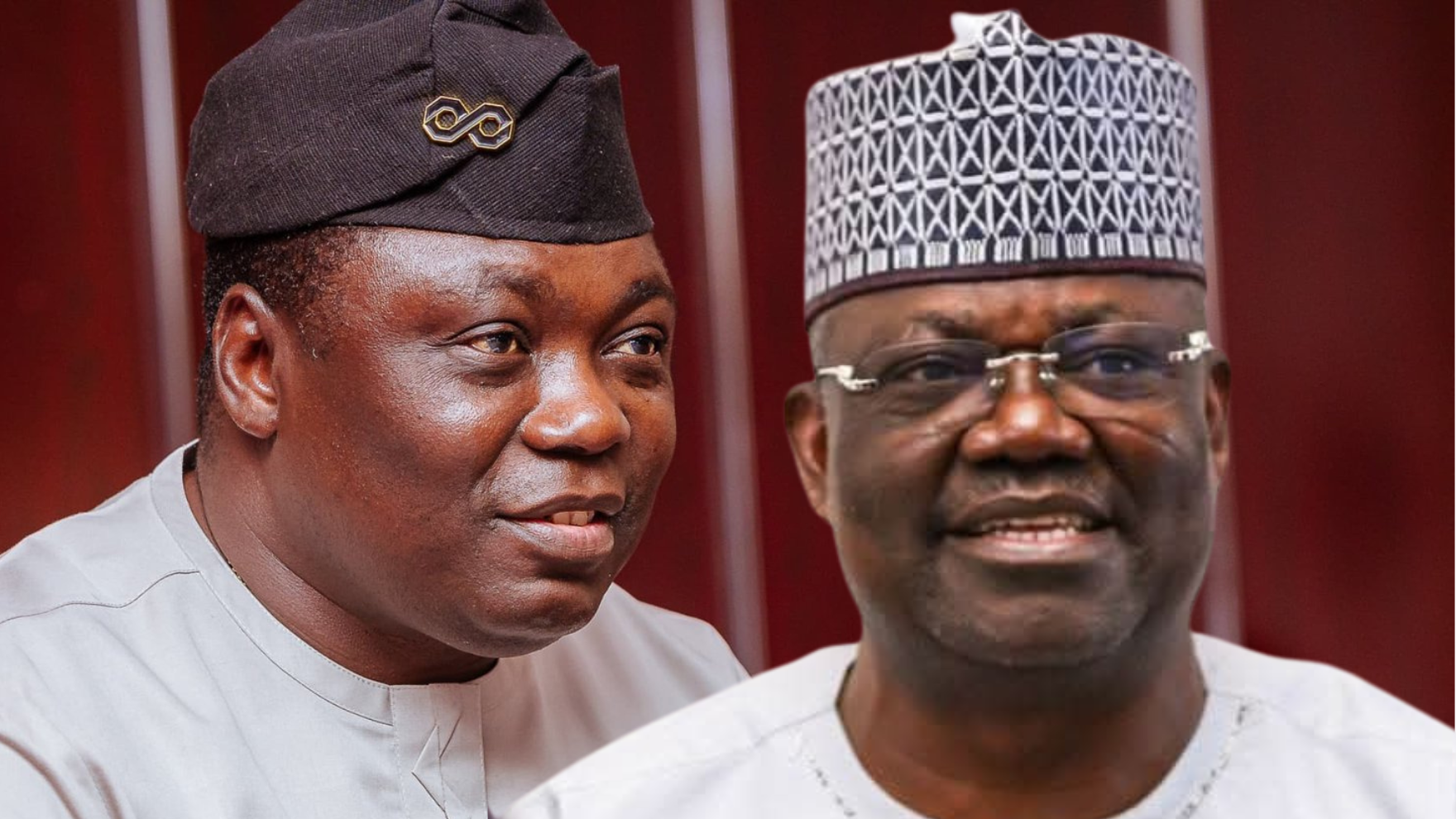
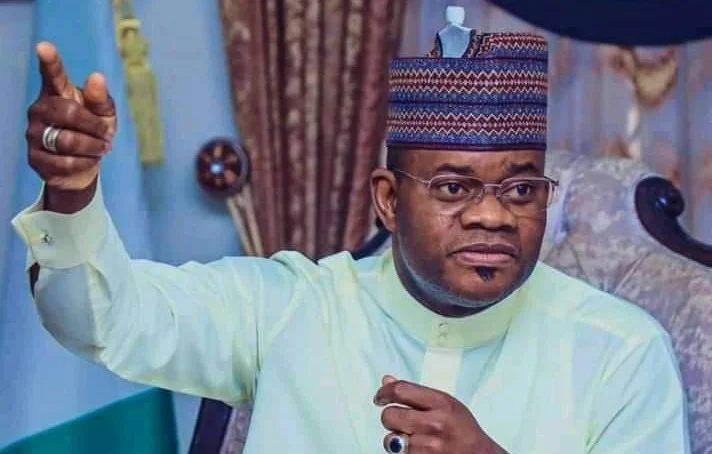
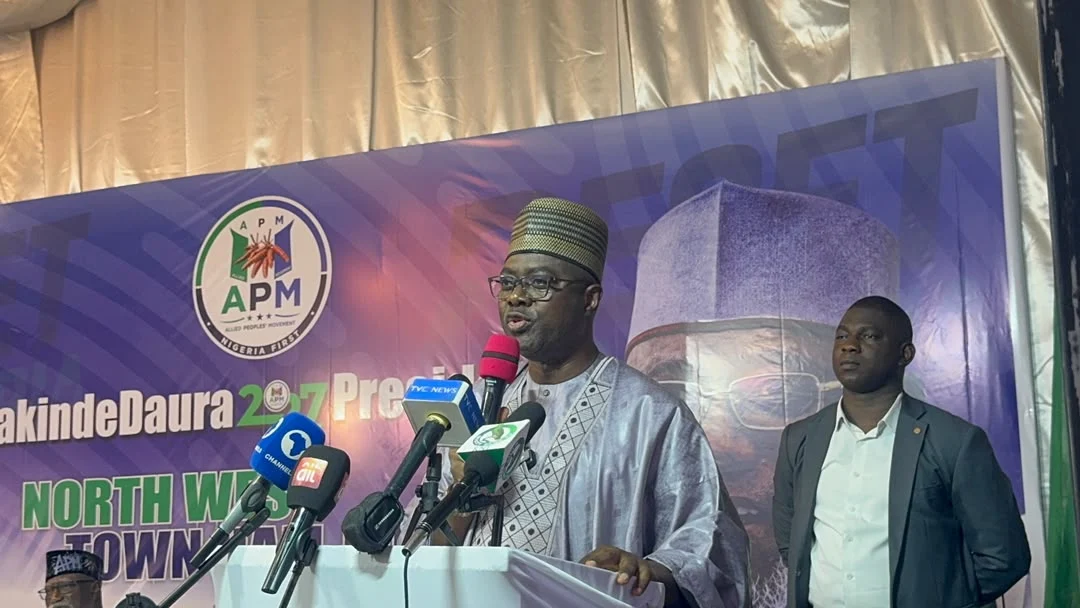
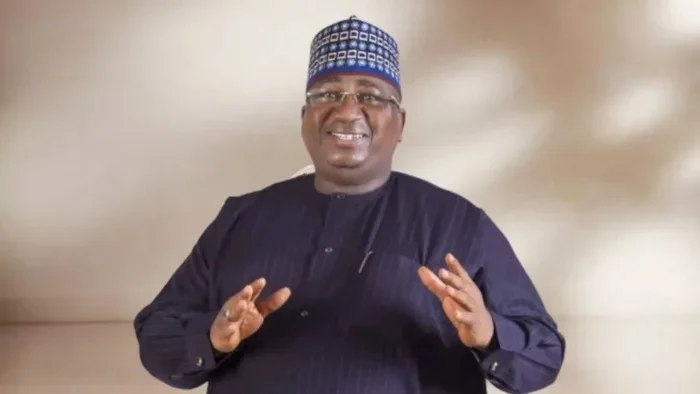
The main candidates are Governor Ademola Adeleke of the Accord Party, who wants a second term; Bola Oyebamiji, a former Commissioner for Finance from the All Progressives Congress (APC); and Najeem Salaam, a former speaker of the state House of Assembly, running on the African Democratic Congress (ADC) ticket.
Other candidates include Olanrewaju Farinloye (AA), Esan Olajide (AAC), Adeagbo Opawoye (ADP), Adewale Adebayo (APM), Clement Adesuyi (APP), Masilo Adeleke (BP), Taofeek Adeleke (NNPP), Saliu Oyelami (PRP), Ogunsakin Olalekan (YPP), and Adefemi Adesuyi (ZLP).
The PDP, Mr Adeleke’s former party, which governed the state under former Governor Olagunsoye Oyinlola and on which platform Mr Adeleke was elected in 2022, is not fielding any candidate due to a leadership crisis at the national level. The governor left the party for Accord last December.
Key Issues in the Election
The election is interesting because Mr Adeleke’s party does not control the local government structure, which is very important. Local governments are often the grassroots foundation of Nigerian politics. The leadership of the 30 local government areas in the state remains in dispute, with many believing the APC, Mr Oyebamiji’s party, currently controls all councils.
After Mr Adeleke won the 2022 governorship election, the previous governor, Gboyega Oyetola, held local government elections, where the APC won. After Mr Adeleke took office, he dissolved the councils and held new elections, which were also won by his party, the PDP.
This local government dispute led to a long legal battle. The courts declared the removal of the elected APC chairpersons illegal, and the Court of Appeal stopped the state government from removing them. The federal government then withheld allocations to the councils. The Supreme Court later dismissed a suit filed by the state government about the withheld allocations, ruling that only the local governments could take such actions.
These court rulings put the APC chairpersons back in office, but the state government still does not recognize them. The state government argues that even if the chairpersons were reinstated, their tenures are over and they should not stay in office. This situation may affect the upcoming polls.
Another factor affecting the race is that the faction of the transport union controlling motor parks in the state supports the APC. Politicians often use union members to enforce during elections. Some National Union of Road Transport Workers (NURTW) members will move election materials from Registration Area Centres (RACs) to polling units and then to collation centres on election day.
This faction took control of the motor parks about two weeks ago, with support from the national leadership of the transport union. They displaced the faction recognized by the state government.
These developments have changed the political landscape in Osun State ahead of the election. In past elections, control of local government structures was crucial. Governors usually sought to use local government machinery during election times.
With the APC in control of local government structures and the NURTW faction moving election materials, Mr Adeleke’s party faces a tough challenge. Despite being the sitting party, the Accord Party seems to struggle at the grassroots level and must now deal with an electoral environment where key structures traditionally controlled by the ruling party are mostly out of its hands.
Battle of the West
Another unique aspect of the election is that all three main candidates are from the Osun West Senatorial District. Mr Adeleke is from Ede, Mr Oyebamiji is from Ikire in Irewole Local Government Area, while Mr Salaam comes from Ejigbo.
This district has been a battleground in Osun governorship elections. It includes 10 local government areas: Aiyedaade, Aiyedire, Ede North, Ede South, Egbedore, Ejigbo, Irewole, Isokan, Iwo, and Ola-Oluwa, with a large voting population.
The 2022 election highlights its significance. Mr Adeleke won Osun West with 144,558 votes, accounting for 53.49% of valid votes cast in the district, while Mr Oyetola received 116,860 votes, or 43.24%. Mr Adeleke’s strong performance in his home councils, Ede North and Ede South, contributed significantly to his lead in the district.
However, the western district has not always been a stronghold for any single party. In the 2014 election, Mr Aregbesola won several councils in Osun West, including Ede North, Ede South, Irewole, Egbedore, Iwo, and Ejigbo, even though some councils went to his main challenger, Iyiola Omisore. Mr Aregbesola won 22 of the state’s 30 local government areas to secure re-election.
The 2018 election further showed how closely contested elections in the district and the state can be. Mr Adeleke initially won with a 353-vote lead over Mr Oyetola statewide, getting 254,698 votes against Mr Oyetola’s 254,345. However, after a supplementary election, Mr Oyetola overtook Mr Adeleke, winning by just 482 votes.
So, having three major candidates from Osun West changes the electoral dynamics. Instead of the district being a two-way contest, votes that might have gone to one major candidate will now be split among three.
Pressure Point
Even though Mr Adeleke has the advantage of incumbency, he does not control some state structures that could help his chances. This includes the security apparatus, local government, and transport union structures.
The governor had planned to use personnel from Amotekun, the state security outfit, to help monitor the election with the police and the Nigeria Security and Civil Defence Corps (NSCDC). But the police have rejected this plan, banning Amotekun and similar groups from election duties. The police are deploying 15,000 officers for the election.
Mr Adeleke’s campaign group, known as the Imole Campaign Council, has accused the police in Osun State of intimidating and harassing its supporters. The police have denied these claims.
Bamidele Sallam, a federal lawmaker and chairman of the media and publicity sub-committee of the campaign council, said over 60 leaders and members of the governor’s party are in police detention.
The campaign spokesperson, Pelumi Olajengbesi, claimed that supporters of the governor were unjustly arrested and taken to the Force Headquarters in Abuja. On August 3, the campaign council asked the National Human Rights Commission (NHRC) for the release of its supporters, who they said were arrested by the police.
The situation escalated when the police raided the Osogbo home of the Secretary to the State Government (SSG), Teslim Igbalaye, arresting him and five others over alleged vote-buying. The police stated they found N4.8 million in cash, a laptop, a photocopy machine, a printer, two voter cards, and a voters’ register covering Wards 1 to 15 in Osogbo Local Government Area.
Mr Igbalaye was later released after intervention from the state government and the state House of Assembly.
Amid these allegations, some residents think the police are being influenced by people in the Presidency to undermine Mr Adeleke’s government. Yet, no independent proof backs these claims.
Isaika Osuntogun, a commercial driver in Osogbo, said many of his passengers feel the APC is using federal power to take control of Osun State from the opposition.
"The APC is using federal power to victimise Ademola. They want to use every means to take the state from the opposition. Ademola has really tried for us in Osun compared to what the APC left. That is what many people are saying," he said.
Fatimah Irewole, a secondary school teacher in Ife, echoed this view. "The pressure is too much on Governor Ademola Adeleke. I don’t like how the Presidency is victimising him. This is democracy; every candidate should test their popularity without victimisation."
Mr Adeleke’s Strengths
Mr Adeleke has high visibility in capital projects, especially road infrastructure, across the state’s three senatorial districts. In agriculture and food security, his government has expanded support for rural farming by providing agricultural inputs and encouraging production.
His administration also maintains a good relationship with civil servants by ensuring timely salary payments and improving career progression.
Civil servants make up Mr Adeleke’s strongest support base ahead of the election. Although there is no exact figure for the number of civil servants in Osun State, estimates suggest there are about 35,000 active workers and public-sector employees. The governor could gain a bloc vote from these workers.
Mr Adeleke also has strong support in Ede, his hometown, and across significant parts of the Osun West political area. His approachable and media-friendly style resonates with many voters, especially young people and civil servants, who prefer it to the technical style of previous APC governments.
His dancing at public events also connects with the people, though some elites see him as unserious.
Another factor that could help Mr Adeleke is the divided opposition votes. If the ADC takes votes from the APC, Mr Adeleke might win without needing a landslide victory.
Despite his challenges, the governor, who recently switched from the PDP to Accord due to the leadership crisis, says he will win.
"Forget about me losing this election, I am confident I will win," he told Arise TV.
In another interview, he said, "I’m so confident I’m going to win. If I could defeat an incumbent and now that I’m the governor, within two years, it’s unprecedented what we have achieved. I’m so confident that nobody can beat us there."
APC’s Advantages and Challenges
Mr Oyebamiji, known as AMBO, stepped down as the managing director of the National Inland Waterways Authority to chase his governorship dream.
His candidacy has several advantages. First, the federal backing of the APC at the national level is significant. Osun is seen as the ancestral home of President Bola Tinubu. Therefore, there seems to be a strong desire from the Presidency and the APC to win the state to avoid embarrassing the president.
Second, Mr Oyebamiji benefits from the campaign structure built over years by the APC and Mr Oyetola, under whom he served as Commissioner for Finance. Third, he has access to influential political and business networks in Osun State.
However, Mr Oyebamiji’s biggest hurdle might come from Osogbo, the state capital, due to his connection with the minister.
Some political players in Osogbo feel that Mr Oyetola, President Tinubu’s cousin, did not engage well with the state capital during his tenure. One example often mentioned is the controversy over an army barracks proposed for Osogbo. Reports suggested the project might be moved to Iragbiji, Mr Oyetola’s hometown, until Osogbo leaders intervened.
This incident has left some political stakeholders with doubts about Mr Oyetola’s commitment to developing the state capital.
There are also deeper cultural grievances against the Oyetola political camp. Many critics say he had a distant political style, unlike former governor Rauf Aregbesola, who built strong grassroots loyalty through regular interactions with the community. Reports that Mr Oyetola was reluctant to give money generously during public events have also impacted his image at the grassroots level.
The APC is still dealing with unresolved issues between Mr Oyetola and Mr Aregbesola. Some supporters believe they should have reconciled sooner, given the respect Mr Aregbesola commands among ordinary party loyalists.
Mr Oyebamiji must show that his roots in Ikire and the APC’s political structure can turn into votes across the wider district instead of just his immediate area.
The former commissioner claims he will win without rigging, as Mr Adeleke alleged.
"Adeleke is already reading defeat on the wall. We have been to all the local governments, and we have an agreement with the people for inclusive government. I am sure if the election holds today, I will win," he said.
Mr Oyebamiji added, "Governor Adeleke is confused; that is why he is shouting about rigging. We are not like them in 2022 when they rigged the APC out through internal sabotage. This time, he should know that the people of Osun are the ones who will vote for APC and send him packing on August 15.
"My administration will end lack of seriousness in government. We will make every kobo we invest in Osun worth it and improve the lives of the people."
The Aregbesola Factor and Salaam’s Advantage
Mr Aregbesola is still a powerful political figure in Osun. He served two terms as governor and was later Minister of Interior under the APC before joining the ADC, where he is now National Secretary of the faction led by former Senate President David Mark.
His followers dominate local political networks, especially among the youth and ward mobilizers.
If these loyalists fully join the ADC, both Mr Adeleke and Mr Oyebamiji could lose crucial votes in their traditional strongholds.
Despite this, Mr Oyebamiji’s camp still has support from key figures in Osogbo, such as Olatunde Badmus, known as Baba Twins, whose philanthropic reputation and influence are politically significant.
Mr Salaam, a former speaker of the state House of Assembly, may not be the outright favorite, but his candidacy is unpredictable.
The ADC’s strength lies in protest votes and anti-establishment feelings. Many voters frustrated with both the Adeleke dynasty and the APC may see Mr Salaam as a compromise candidate.
His biggest advantage could come from Mr Aregbesola’s political network. If he gets this support, the ADC could become a serious player statewide.
However, Mr Salaam faces big challenges. The ADC does not have the electoral structure of the APC or Adeleke’s political network. Its funding may also be weaker. Many voters may still see the election as a contest mainly between Mr Adeleke and the APC, which could hurt the ADC if opposition voters worry about splitting anti-incumbent votes.
Who Has the Best Chance?
Right now, Mr Adeleke seems to have a slight edge. His incumbency, along with the divided opposition, is a significant electoral advantage. His popular image and strong recognition across the state also help.
The governor could gain tactical support in Osogbo. Osogbo and Olorunda Local Government Areas, both in Osun Central Senatorial District, have historically recorded high vote counts due to their large populations and number of civil servants.
These areas will be crucial in the 2026 election. They have been important strongholds for the APC, particularly during the Aregbesola administration.
In the 2014 governorship election, Mr Aregbesola received 39,983 votes in Osogbo, while Mr Omisore got 11,513. In Olorunda, he scored 26,551 votes against Mr Omisore’s 8,483. These two councils gave the APC a combined margin of over 46,000 votes.
Osogbo was also Mr Aregbesola’s highest-voting local government area in that election, highlighting its electoral importance.
However, this pattern is not set in stone. The 2022 election showed that Mr Adeleke could make significant gains in areas previously seen as APC strongholds. This makes Osogbo and Olorunda especially important in the current race, as the APC aims to regain its traditional advantage while the incumbent tries to build on the progress made in 2022.
For Mr Oyebamiji, a strong showing in these two councils could provide the APC with the urban vote margin it has historically relied on. For Mr Adeleke, maintaining or improving his 2022 performance there could compensate for any weaknesses elsewhere. With the election expected to be tightly contested, even small changes in voting patterns in Osogbo and Olorunda could impact the overall results.
Get more stories like this on your home page
How this story developed
- Candidates for Osun State Governorship Election on Saturday
Osun State Governorship Election: Key Players and Issues (this story)
- Osun State Prepares for Governorship Election Amid Violence and Fear
- Who Won and Lost in the Osun Governorship Election

Comments
No comments yet.