Oyedele links N30 trillion money printing to Nigeria's inflation issues
Taiwo Oyedele, Nigeria's Finance Minister, links N30 trillion in money printing to the country's inflation crisis. He highlights recent reforms that helped mitigate the situation.
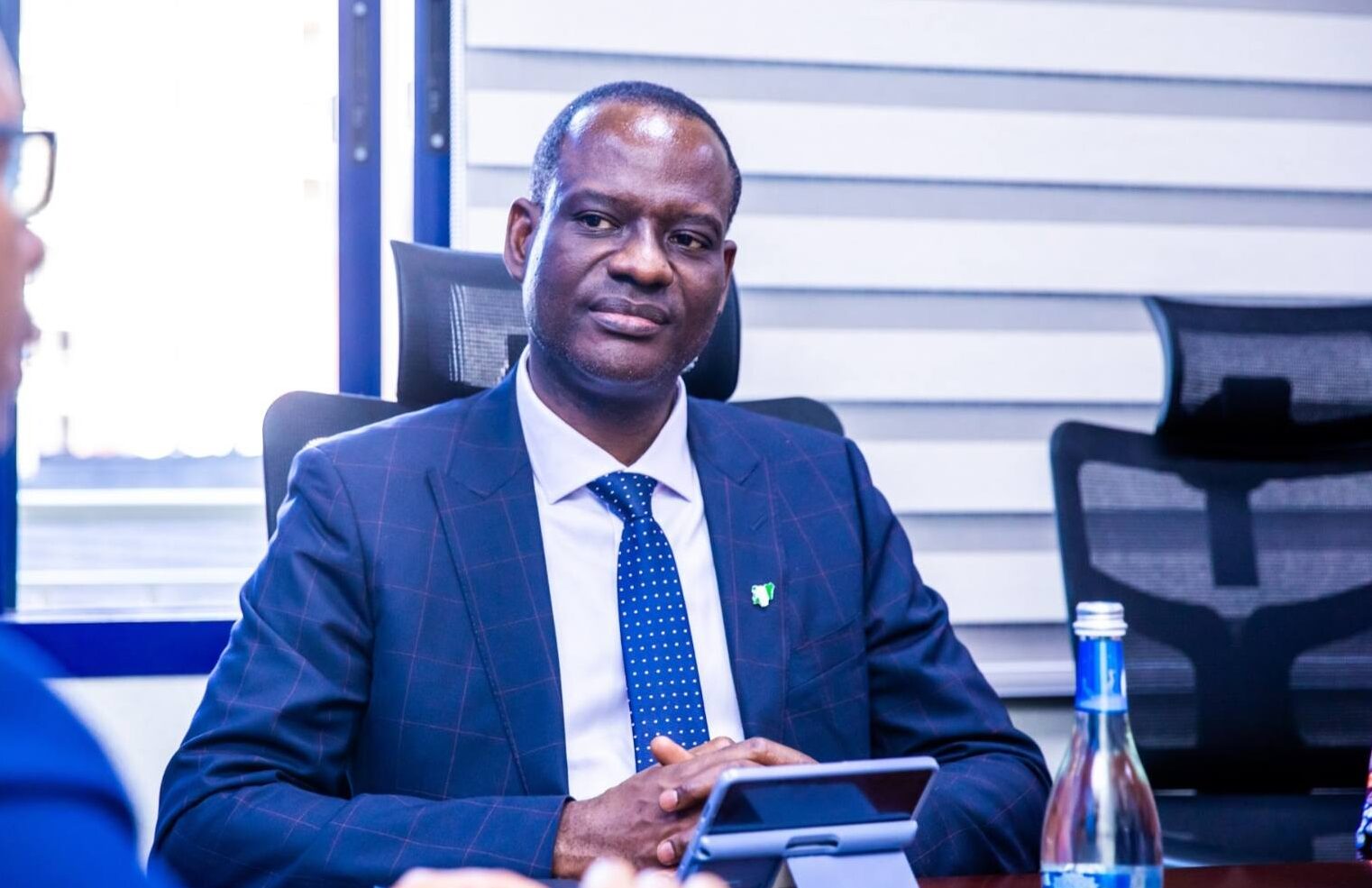
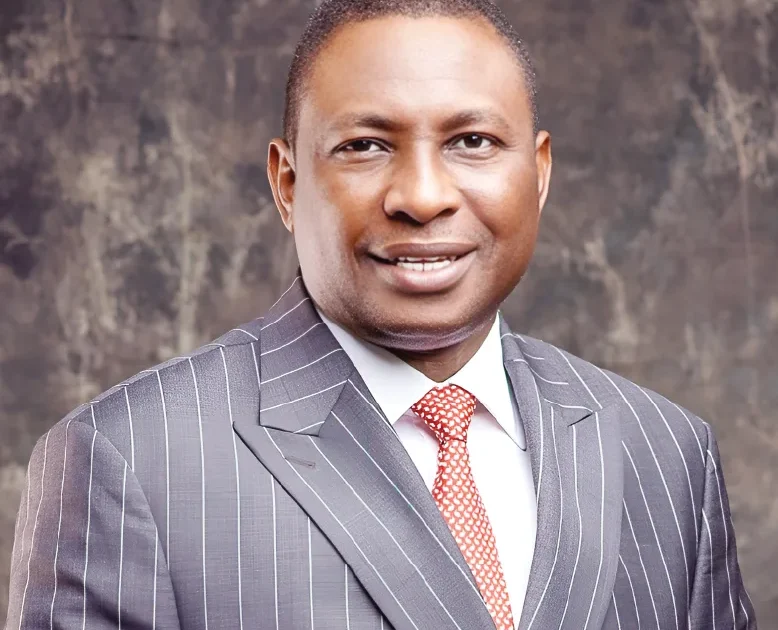
The Minister of Finance and Coordinating Minister of the Economy, Taiwo Oyedele, has said that around N30 trillion in money printing is responsible for the inflation problems Nigerians are facing. He believes that economic changes made by President Bola Tinubu's government helped prevent a worse situation.
Mr Oyedele pointed out that without these reforms, Nigeria could have seen inflation rise to as high as 1,000 percent. This includes actions like removing the petrol subsidy and making changes to the foreign exchange market.
“If this reform had not happened, ladies and gentlemen, today, you would be talking about inflation in a thousand percent,” he said on Tuesday in Abuja.
He made these comments at the 56th Annual Accountants’ Conference of the Institute of Chartered Accountants of Nigeria. There, he defended the government's economic policies even as worries about living costs continue.
The minister mentioned that problems like a shortage of foreign exchange and too much money printing had hurt the economy before the reforms. He said, “We printed plenty of naira. Plenty trillion naira was printed. The inflation we are dealing with today, the reason why your bread is more expensive, is the N30tn showing up.”
He explained that the effects of too much money creation might take time to show up. He added that the government's policies aim to fix long-standing problems in the economy. But he did not give any calculations to back up the 1,000 percent inflation claim or detail how the N30 trillion amount was figured out.
Mr Oyedele recognized the strain on families but stated that the government is focused on increasing incomes rather than just keeping prices low. “We’re putting all our effort towards how to raise the income of the Nigerian people faster than inflation,” he said.
These statements came as Nigeria's annual inflation rate showed signs of easing. According to the National Bureau of Statistics (NBS), the headline inflation dropped to 14.63 percent in September, down from 15.39 percent in August and 20.98 percent in September 2025.
However, annual food inflation went up slightly to 19.59 percent in September from 19.57 percent in August. This shows that food prices are still a worry for many families.
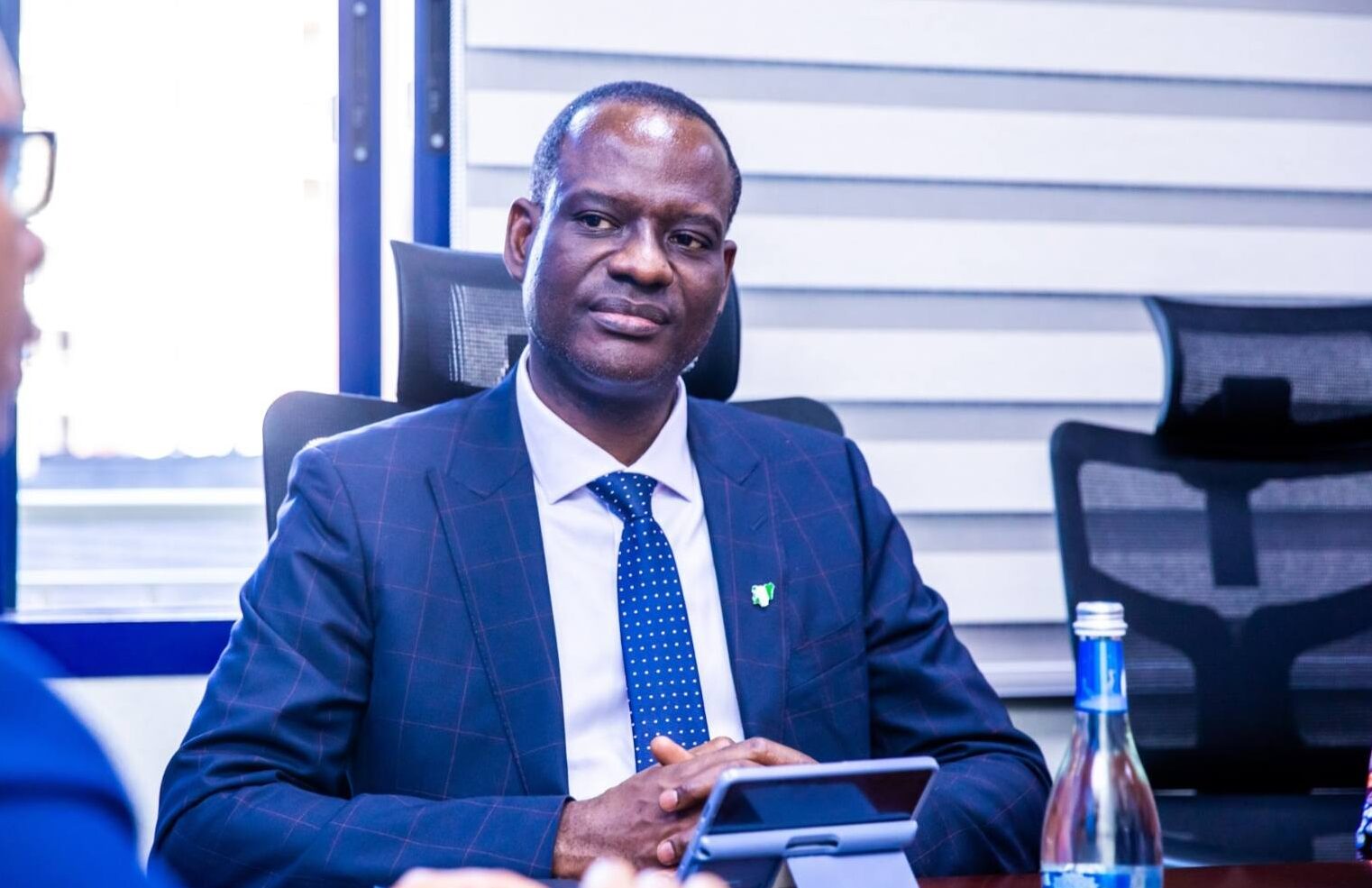
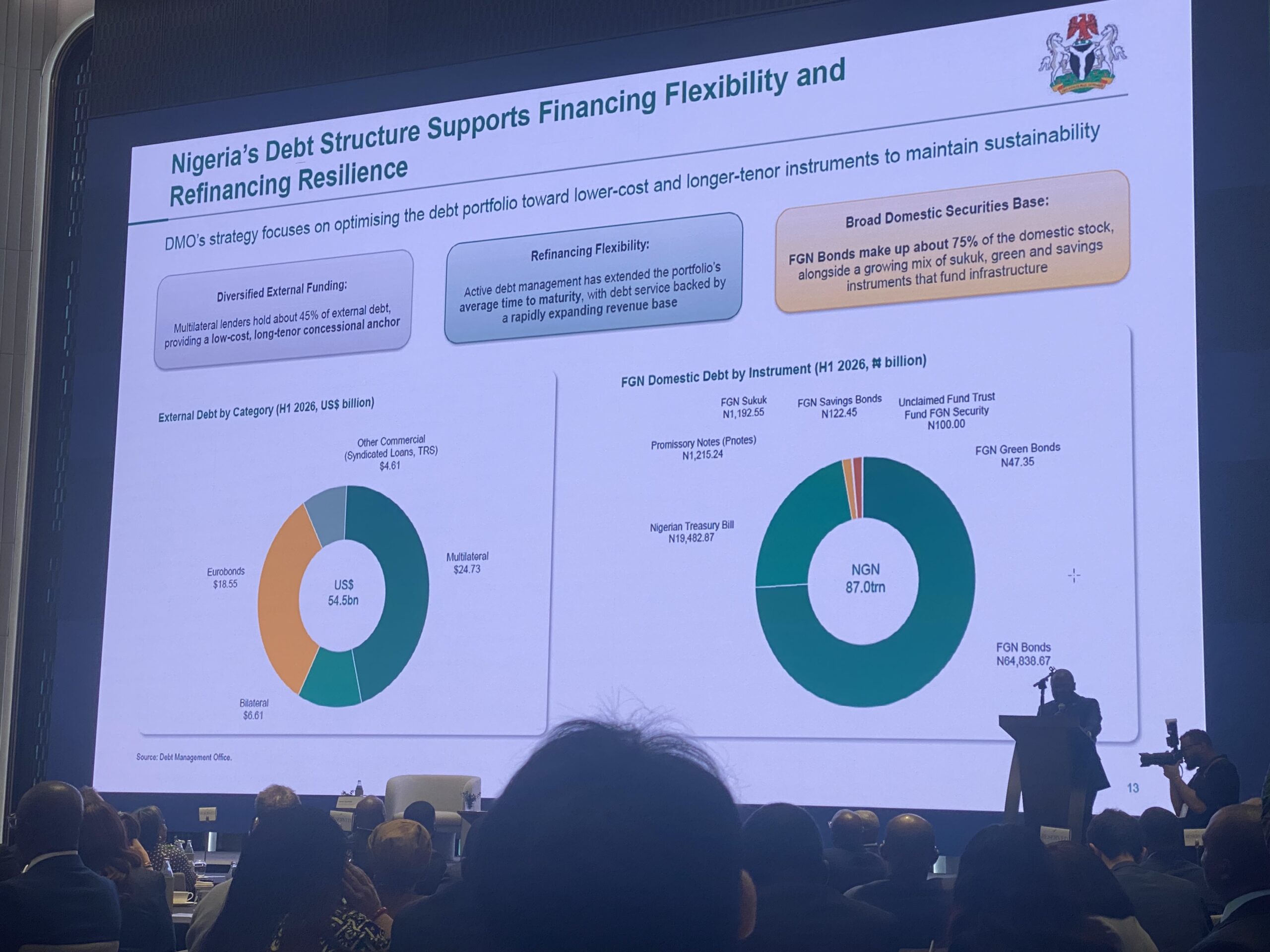
PREMIUM TIMES reported that the minister had called the economic shocks after removing the petrol subsidy and changing foreign exchange rules unavoidable. He said these changes were meant to fix long-standing issues in the economy.
The reforms, which started in 2023, led to higher petrol prices and increased transport costs, adding to the financial strain on families and businesses.
Mr Oyedele also shared that the Federal Government spent double the savings from the petrol subsidy removal on salary increases and wage awards. He did not provide any numbers to support this comparison.
He mentioned student loans, help for vulnerable families, and subsidized credit for small businesses as some of the efforts to ease the impact of the reforms.
Regarding transparency in cash transfers, Mr Oyedele stated that the government has improved how they identify beneficiaries using the National Identification Number system. He noted that the World Bank recognized the progress in reaching vulnerable families but declined calls to publish personal details of beneficiaries, saying it could harm their dignity.
He also announced that the Federal Government has finished auditing its 2022 financial statements. He promised to update all outstanding accounts by the first quarter of 2027. He added that future audited accounts would be published within six months after the end of each financial year.
The minister further shared plans for a national economic policy framework to enhance consultation and coordination in government decisions. He noted that the Ministry of Finance has signed a memorandum of understanding with the Central Bank of Nigeria to strengthen cooperation between both institutions.




Comments
No comments yet.