Oyo principal shares her 56-day nightmare in captivity
Mrs Rachael Alamu recounts her painful 56 days in captivity with students and teachers in Oyo State. She describes the harsh conditions and the fear faced by the children.

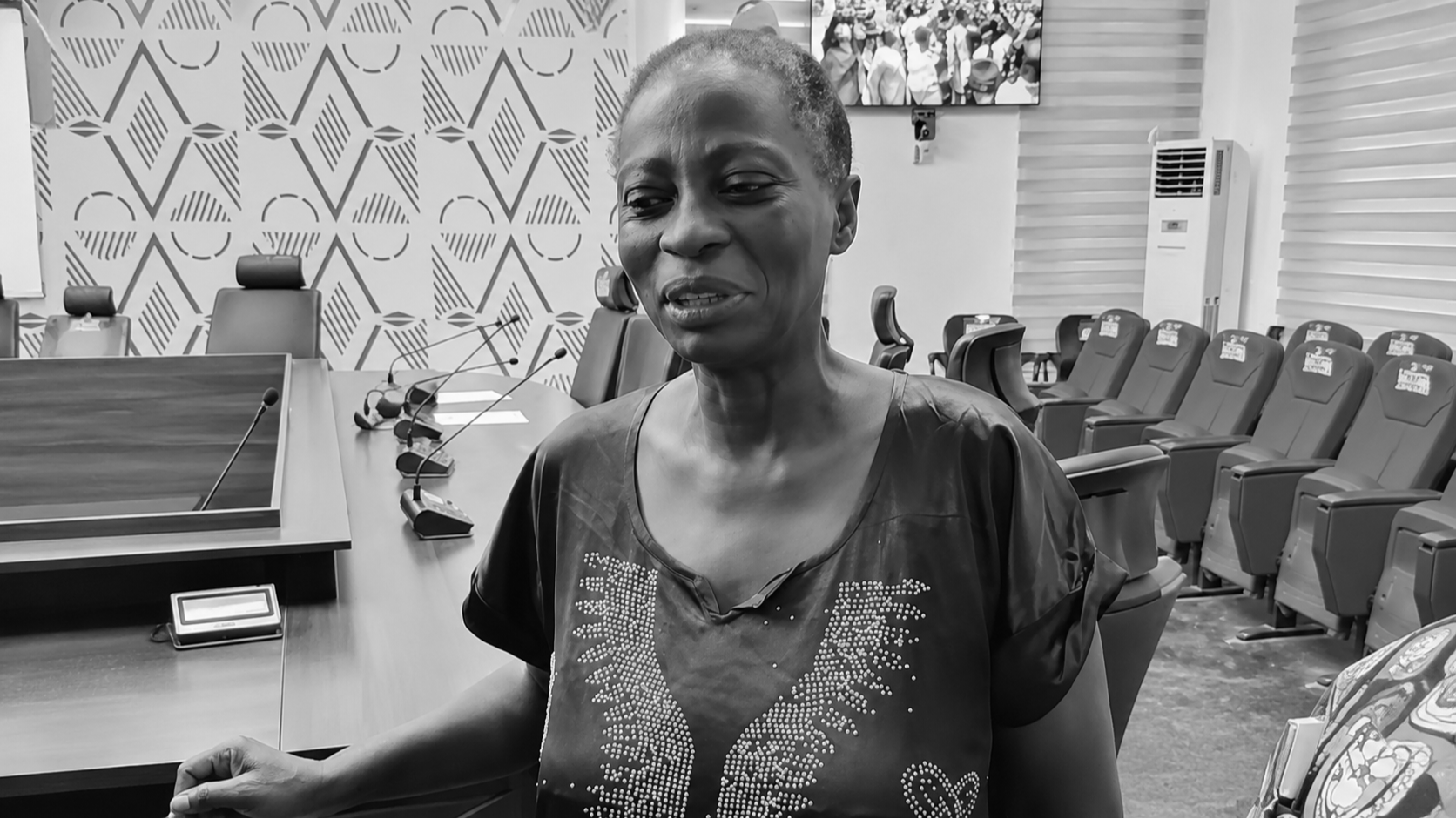
The principal of a secondary school who was kidnapped with teachers and students in Oriire Local Government Area, Oyo State, Mrs Rachael Alamu, has shared her painful 56 days in captivity. She said children were beaten to keep them quiet, male teachers were chained and blindfolded, and all were forced to walk through forests at night to escape from security agents.
Alamu spoke on Monday after she and the rescued teachers and students were handed over to Oyo State Governor Seyi Makinde at the Governor’s Office in Ibadan.
The victims were taken by armed men on May 15, 2026, and spent almost two months in captivity before security forces rescued them.
Describing what life was like during those days, Alamu said they spent most of the time in the forest. They faced harsh weather while trying to keep the children safe and calm.
"You can only imagine it. It was not easy. We were in the forest, in the open, most of the time, under the sun and under the rain, with the children. But we kept going because there was no way out.
"We knew it was only God that could help us, and we believed people were praying for us. That kept us going," she said.
Alamu mentioned that while she was not physically harmed, many younger students faced severe beatings when they cried or made any noise.
"Personally, I was not beaten, but some of the children were beaten. What they hated most was noise because they believed it could attract attention.
"The youngest children suffered the most. They would tie their mouths with pieces of cloth and beat them very well," she said.
Despite the difficult conditions, Alamu said none of the victims were sexually abused during the time they were held.
"There was no form of molestation," she added.
According to Alamu, the kidnappers moved their captives frequently whenever they thought their hiding places had been found by security forces. This meant both adults and children had to walk for long distances at night.
"When the place was discovered, we had to move, and that usually started around seven or eight at night. Sometimes we walked for three to four hours. That is why you see bruises on our bodies," she said.
She explained that while the kidnappers carried the youngest children, the older students had to walk the long distances.
"The younger ones were carried, but the older children had to walk. They fell many times. It was very difficult," she said.
Alamu also recalled how they were taken deeper into the forest right after they were kidnapped.
"My car was used to take us to a point where we met the primary school pupils and their teacher.
"From there, we walked for about one hour before they brought motorcycles. About 10 motorcycles were used to move us for more than four hours through bush paths they knew very well," she said.
Looking back on how this experience affected her teaching career, Alamu said it will take a lot of courage to return to a rural school now.
"I have worked for 28 years and I have just about four years to retire. Going to rural areas now will take the grace of God.
"Before this happened, I had already sacrificed a lot because of the distance. Now, coupled with this experience, I don’t know what will happen. I want to see my husband. When I get home, I can think of every other thing," she said.
Alamu also revealed that the male members of the group faced worse treatment while in captivity.
"The men had it worse than us. They were blindfolded, handcuffed and chained on their legs," she said.
Get more stories like this on your home page
How this story developed
Oyo principal shares her 56-day nightmare in captivity (this story)
- Principal shares her 56 days in captivity during school attack




Comments
No comments yet.