Rising Cooking Gas Prices Force Kaduna, Zaria Residents to Use Charcoal and Firewood
High cooking gas prices in Kaduna and Zaria force families to buy smaller amounts or switch to charcoal and firewood for cooking. This trend highlights the challenges faced by residents.
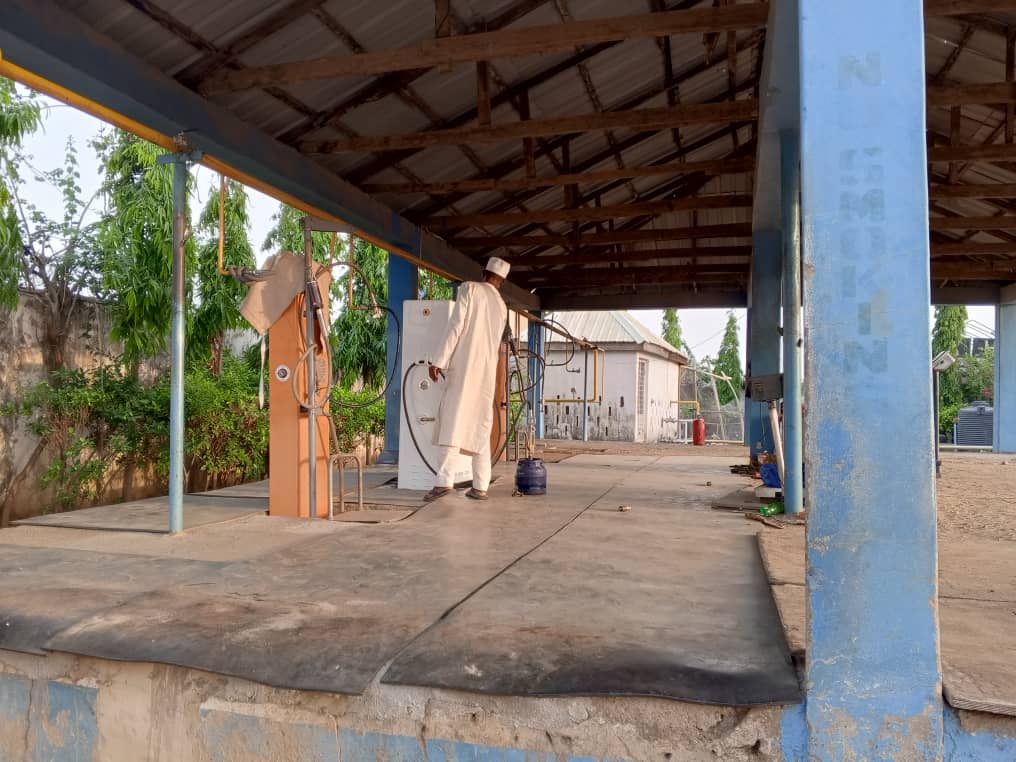
Despite ongoing complaints about cooking gas prices, many Nigerians still depend on it for cooking. This shows how important it is in homes across the country.
Prices have shot up because of supply issues, changes in currency value, and problems with distribution.
Nigeria has plenty of gas reserves, but it still imports a lot. This is because a large part of the gas produced is exported. This leaves local sellers struggling with international prices.
Reports from PREMIUM TIMES HAUSA in Zaria and Kaduna show that many families cannot afford to refill their gas cylinders fully. They still buy small amounts because cooking gas is convenient and efficient.
Residents, charcoal sellers, gas retailers, and plant operators all said cooking gas is now essential, even as its price keeps rising.
Households Opt for Small Gas Quantities
Christiana Yakubu, a mother of three, mentioned that the high cost of cooking gas is putting pressure on family budgets.
She said many families now buy just two or three kilogrammes of gas at a time instead of filling their cylinders.
"Cooking gas is very expensive now. What many families do is buy two or three kilogrammes to prepare meals quickly, especially in the mornings when children are going to school. The rest of the cooking is done with charcoal or firewood," she said.
Charcoal Business Thrives as People Look for Cheaper Options
Some families now rely mainly on charcoal for cooking.
A charcoal seller, Habiba Irimiya, said her family saves gas for emergencies and uses charcoal for daily cooking.
"I use charcoal most of the time because it is readily available and cheaper than gas," she said.
Mrs Irimiya added that demand for charcoal has gone up in recent months due to rising cooking gas prices.
"Business is moving well because many people can no longer afford to depend entirely on gas," she said.
Students Drive Small Gas Purchases
Joshua Dauda, a cooking gas seller in Zaria, said many of his customers are students.
He explained that most students buy two to three kilogrammes of gas at a time because they cannot afford more.
"Students usually buy small quantities. Once it finishes, they come back for more because many of them do not have access to alternatives such as charcoal or firewood," he said.
Gas Plant Operators Cite Supply Issues
At the Mamu Gas Plant in Zaria, a technician named Dauda Abdulrahim said demand for cooking gas is still high, despite the prices.
He shared that the company tries to keep prices lower than others.
"Some gas plants sell between N1,700 and N1,800 per kilogramme, while we sell at about N1,600 per kilogramme. We try to make it affordable for our customers," he said.
But operators mention that supply shortages are making prices go up even more.
Hamza Aliyu-Harande, Managing Director of Sanco Gas Plant, said this is one of the toughest times in the industry.
"I have been in this business for 11 years, and two weeks ago was the first time I completely ran out of gas to sell," he said.
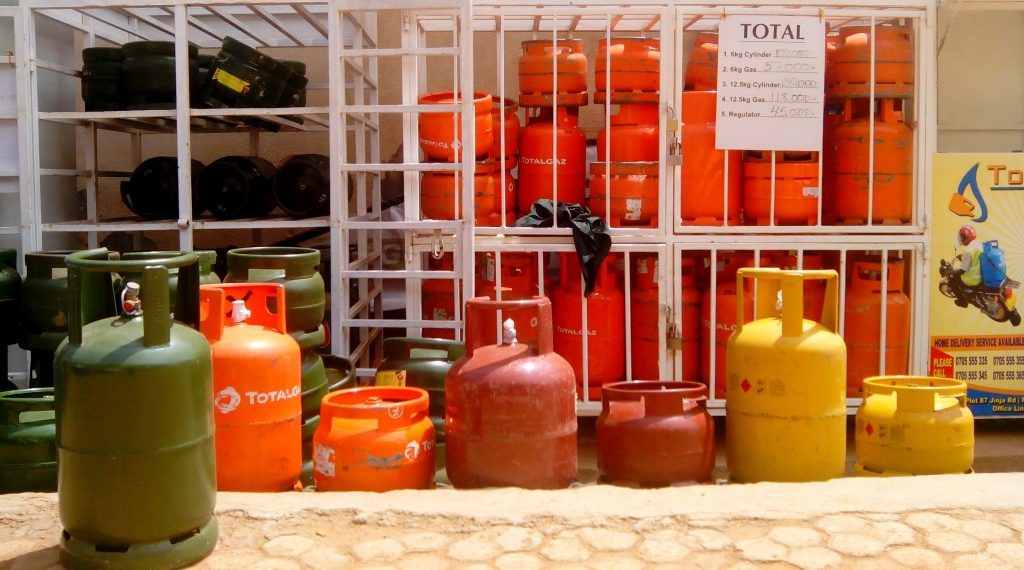
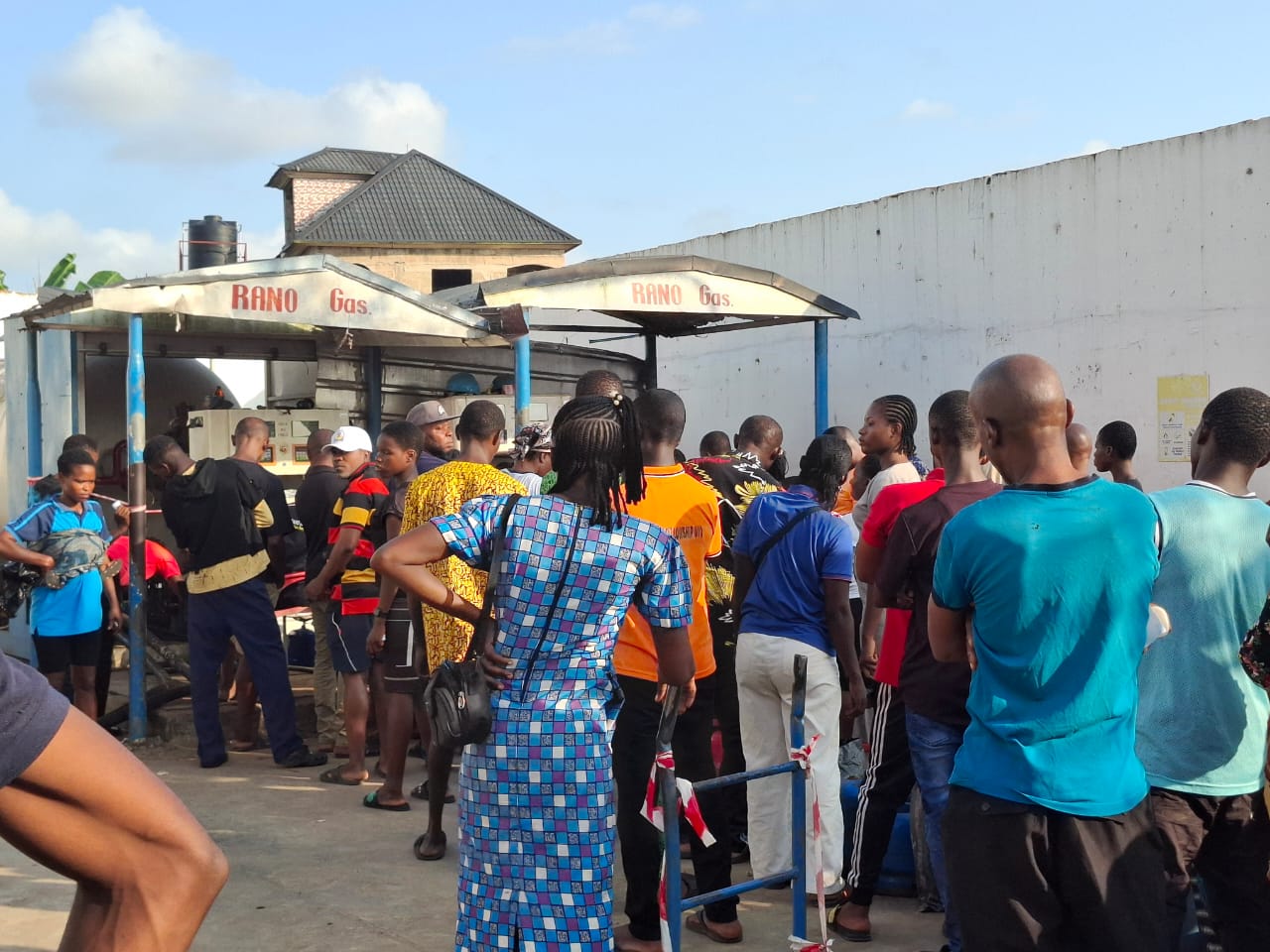
Mr Aliyu-Harande revealed that some sellers buy low-quality products to keep going, but he refuses to lower his standards.
"There were cheaper products available, but I chose to wait for quality supplies, even though it affected my business," he said.
Kaduna Gas Seller Closes Shop
The rising prices are also affecting businesses.
A gas retailer in Kaduna, Abdulshakur Hamza, told PREMIUM TIMES HAUSA that he shut down his shop because people could not afford to buy gas anymore.
"People stopped patronising us because of the high prices. I could no longer sustain the business under the current conditions, so I closed my shop and left the gas business entirely," he said.
When asked what he would do next, the former retailer said he would find another job.
"I will look for another job to do," he added.
Kaduna Residents Share Their Frustrations
Many residents in Kaduna are feeling the pinch from the rising cooking gas prices.
A civil servant, Musa Lukman, said cooking gas has become too expensive for many families.
"Before now, I could fill my cylinder once and use it for weeks. Today, I buy small quantities because my salary can no longer cover household expenses," he said.
Why Kerosene Is Not Returning
Even though kerosene used to be a common cooking fuel in Nigeria, many families are not going back to it despite high cooking gas prices.
Residents said kerosene has become very hard to find, and its price has also increased.
Many people said they struggle to get it, making it an unreliable option.
"I can't remember the last time I saw kerosene, so it is very scarce and not an option at all."
Nigeria's Gas Sector and Government Efforts
Nigeria has one of Africa's largest natural gas reserves, with proven reserves over 200 trillion cubic feet.
Governments have promoted using LPG as a cleaner choice compared to firewood and kerosene, aiming to reduce environmental damage.
In recent years, the federal government has started programs to increase domestic gas use through its "Decade of Gas" initiative and other energy policies.
But industry players say domestic customers still face problems from foreign exchange issues, transport costs, poor infrastructure, and continued gas exports.
Calls for Government Action
As cooking gas prices keep rising, many Nigerians want the federal government to act quickly.
Consumers and industry members are asking for policies that focus on local supply, better distribution systems, and reduced costs for households.
Get more stories like this on your home page
How this story developed
- Cooking gas prices push Enugu residents to use charcoal
Rising Cooking Gas Prices Force Kaduna, Zaria Residents to Use Charcoal and Firewood (this story)



Comments
No comments yet.