Senate changes law to let polytechnics award bachelor’s degrees
The Senate has changed the law to allow federal polytechnics to award Bachelor of Technology degrees. This new law aims to enhance educational opportunities in Nigeria.
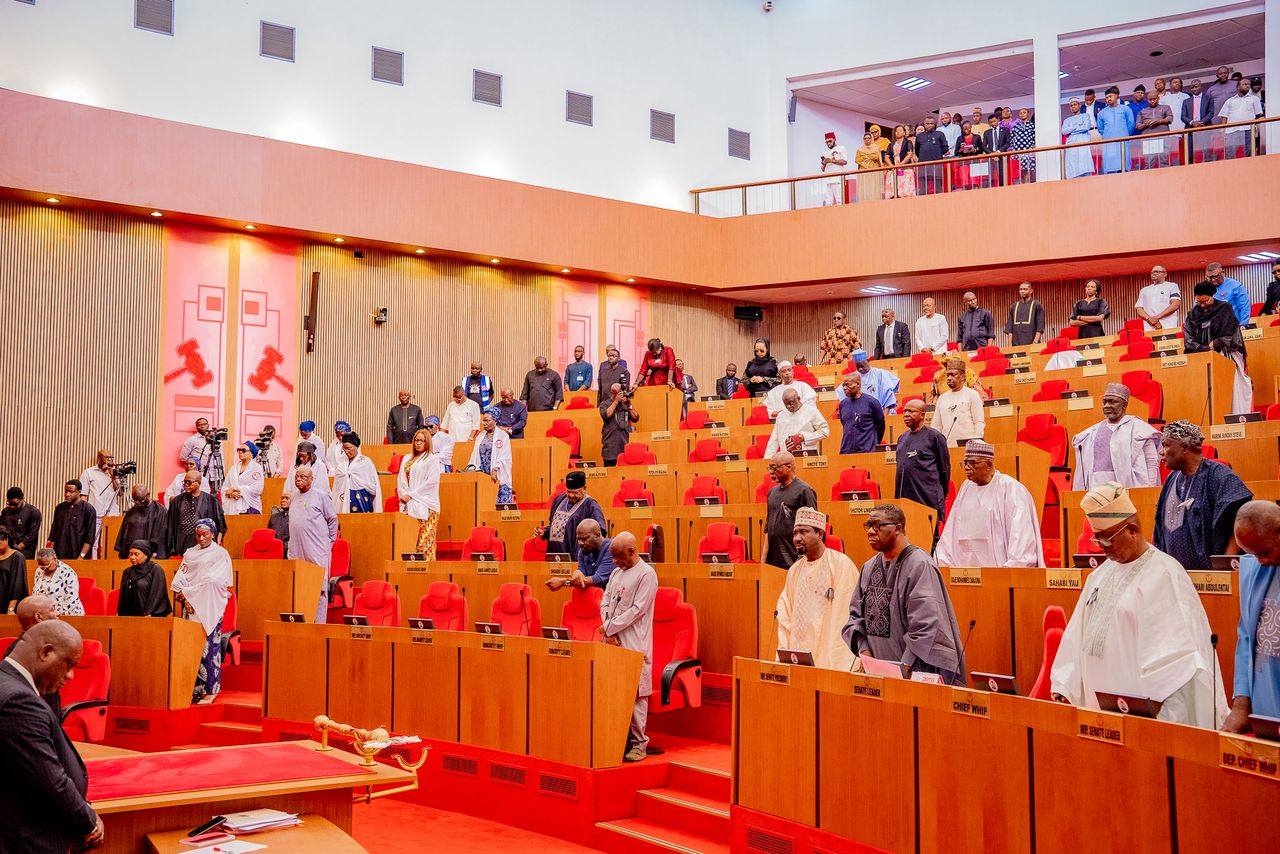
The Senate on Thursday changed the Federal Polytechnic Act. The new law allows federal polytechnics to give Bachelor of Technology (B.Tech. Hons.) degrees in science, engineering, and technology-related courses.
This change came after the Senate decided to change its earlier stance on the Act. Previously, federal polytechnics could only offer National Diploma (ND) and Higher National Diploma (HND) qualifications.
Now, federal polytechnics can award bachelor’s degrees to those with ND, HND, or Postgraduate Diploma. This is subject to approval by the National Universities Commission (NUC) and other relevant bodies.
The decision followed a motion by the Senate Leader, Opeyemi Bamidele (APC, Ekiti Central), during Thursday’s session.
Mr Bamidele pointed out that some parts of sections 2, 8, and 31 of the Act needed further review. He said this would provide more clarity and create a better legal framework.
He asked the Senate to send the Act back to the Committee of the Whole for more discussion and changes.
Details of the amendment
The amendment adds a new section, Section 2(1)(c). This allows federal polytechnics to award Bachelor of Technology (B.Tech. Hons.) degrees in science, engineering, and technology to those with ND, HND, or Postgraduate Diplomas.
The section states, “Award the Bachelor of Technology (B.Tech. Hons.) degree in Science, Engineering and Technology programmes to holders of the National Diploma (ND), Higher National Diploma (HND) or Postgraduate Diploma, subject to accreditation by the National Universities Commission (NUC) and relevant regulatory bodies.”
This means awarding these degrees needs approval from the NUC and other relevant bodies.
The amendment also changes Section 8, which deals with the appointment and term of rectors in federal polytechnics. The new rule states that the governing council of the polytechnic will appoint a rector for an initial five-year term. The rector can serve a second and final term of four years.
Additionally, the amendment updates Section 31 to redefine a minister as the person in charge of education.


Discussion
When the amendment went back to the Committee of the Whole, no senator disagreed with the proposed changes.
Senate President, Godswill Akpabio, then called for a voice vote on the amended provisions. Most senators supported it.
The BSC/HND Issue
The difference between holders of Bachelor of Science (B.Sc.) degrees from universities and Higher National Diplomas (HNDs) from polytechnics has always stirred debate in Nigeria’s education system. This is especially true regarding jobs, pay, and career growth.
Even though both qualifications come from tertiary institutions, HND holders have faced challenges in both public and private sectors. There are differences in job grades, chances for promotion, and eligibility for certain roles. This issue has continued despite various government policies aimed at fixing it.
In the federal civil service, a circular from the Office of the Head of the Civil Service of the Federation in March 2018 allowed HND holders to enter the service at Salary Grade Level 08. However, HND holders already in service must meet extra conditions to move beyond Grade Level 14 or change to officer roles.
This issue also raises concerns about fairness and opportunities for graduates with different qualifications. In 2023, the House of Representatives highlighted worries about unfair promotion practices between HND and degree holders in the Nigeria Security and Civil Defence Corps. They urged relevant authorities to follow existing rules on this.
Past administrations and the National Assembly have tried to tackle this problem through policy changes and legislative actions. Despite this, ongoing debates about hiring, promotions, and career paths show that just announcing policies may not solve the issues faced by HND holders.
Whether this amendment will reduce discrimination against polytechnic graduates depends on how employers accept the new degrees. It also relies on whether public service hiring rules are updated to ensure fair treatment.






Comments
No comments yet.