Senators Discuss State Police Bill in Final Session
Nigerian senators are finalizing discussions on a bill to create state police. The bill aims to enhance local policing while maintaining the federal system.
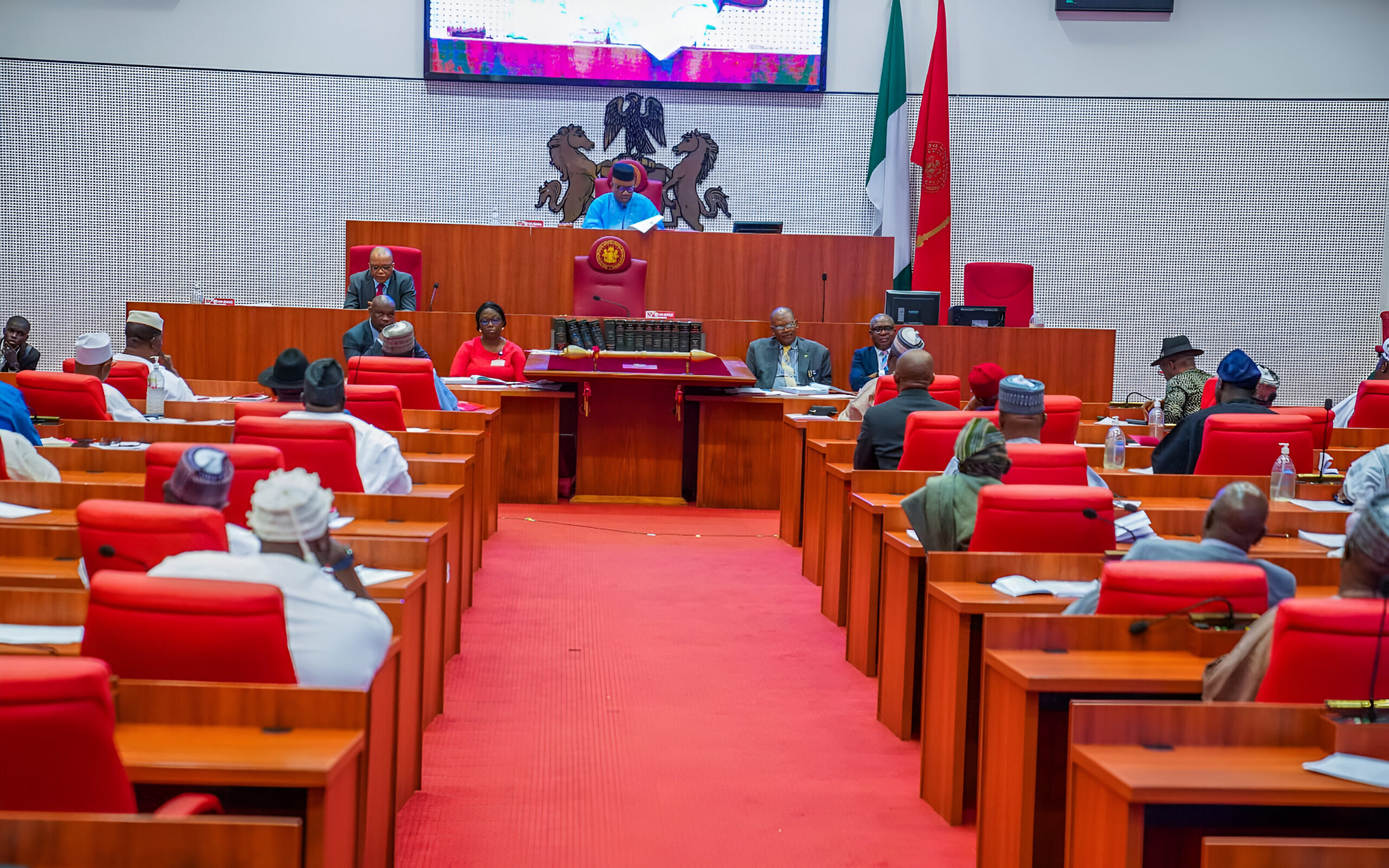
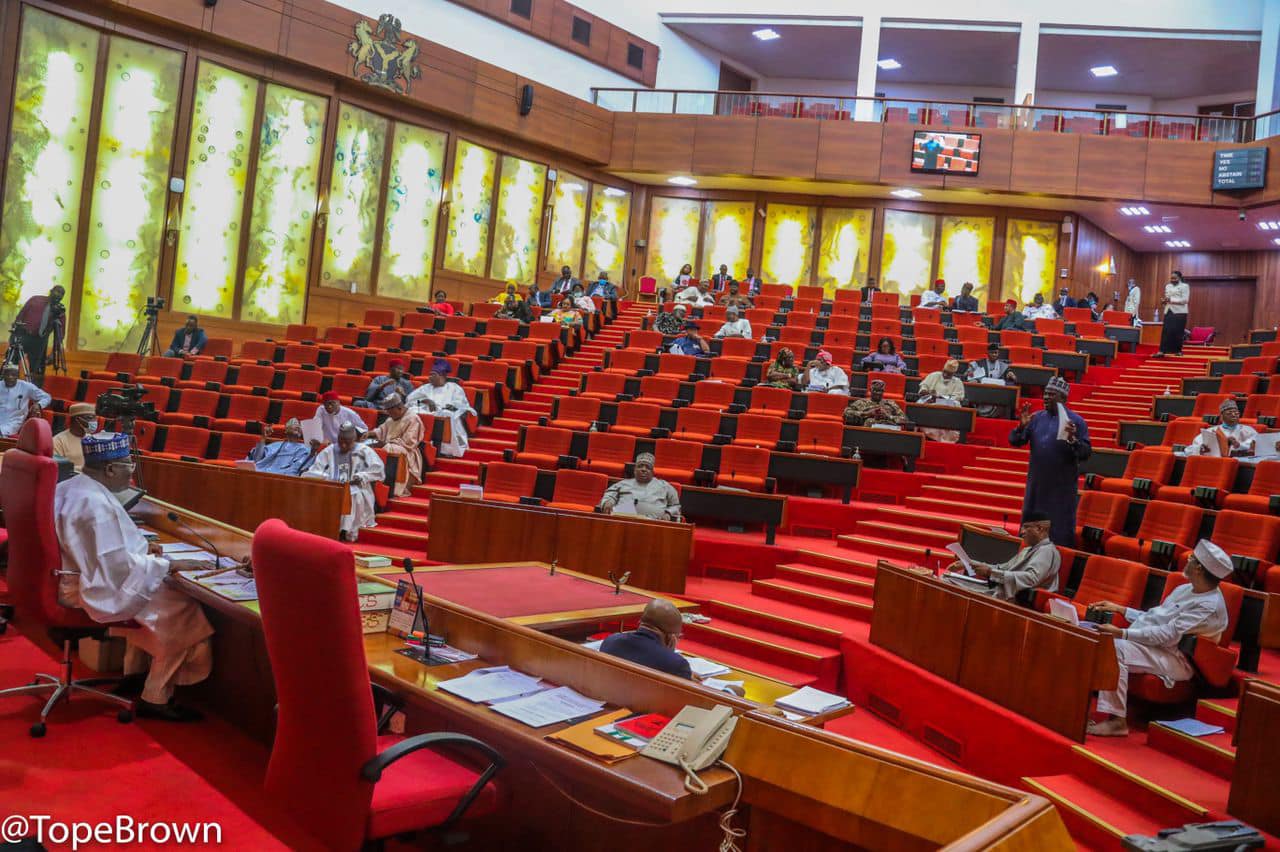
Nigerian senators have started the final discussion on a bill to create state police.
The talks began around 2:50 p.m. after the senators returned from a private session that lasted about 30 minutes.
Senate Leader, Opeyemi Bamidele, led the discussion on the bill.
At the start of the debate, 87 senators were present, which is more than the two-thirds majority needed to pass this amendment. Two-thirds of the Nigerian Senate, which has 109 members, is 73.
The senators will vote manually to see if the bill gets the necessary two-thirds majority. Each senator will stand up, introduce themselves, and say if they are for or against the bill.
Senate President, Godswill Akpabio, said this manual voting process will help Nigerians know how each senator stands on the proposed state police.
While leading the discussion, Mr Bamidele said the bill reflects what stakeholders said during public hearings and in written submissions to the National Assembly.
He stated that the bill does not remove the federal police system but aims to improve Nigeria’s policing. He explained that state police will focus on preventing and monitoring crime, as well as recruiting and training officers.
Mr Bamidele also mentioned that creating state police commissions would improve oversight and reduce misuse of police power.
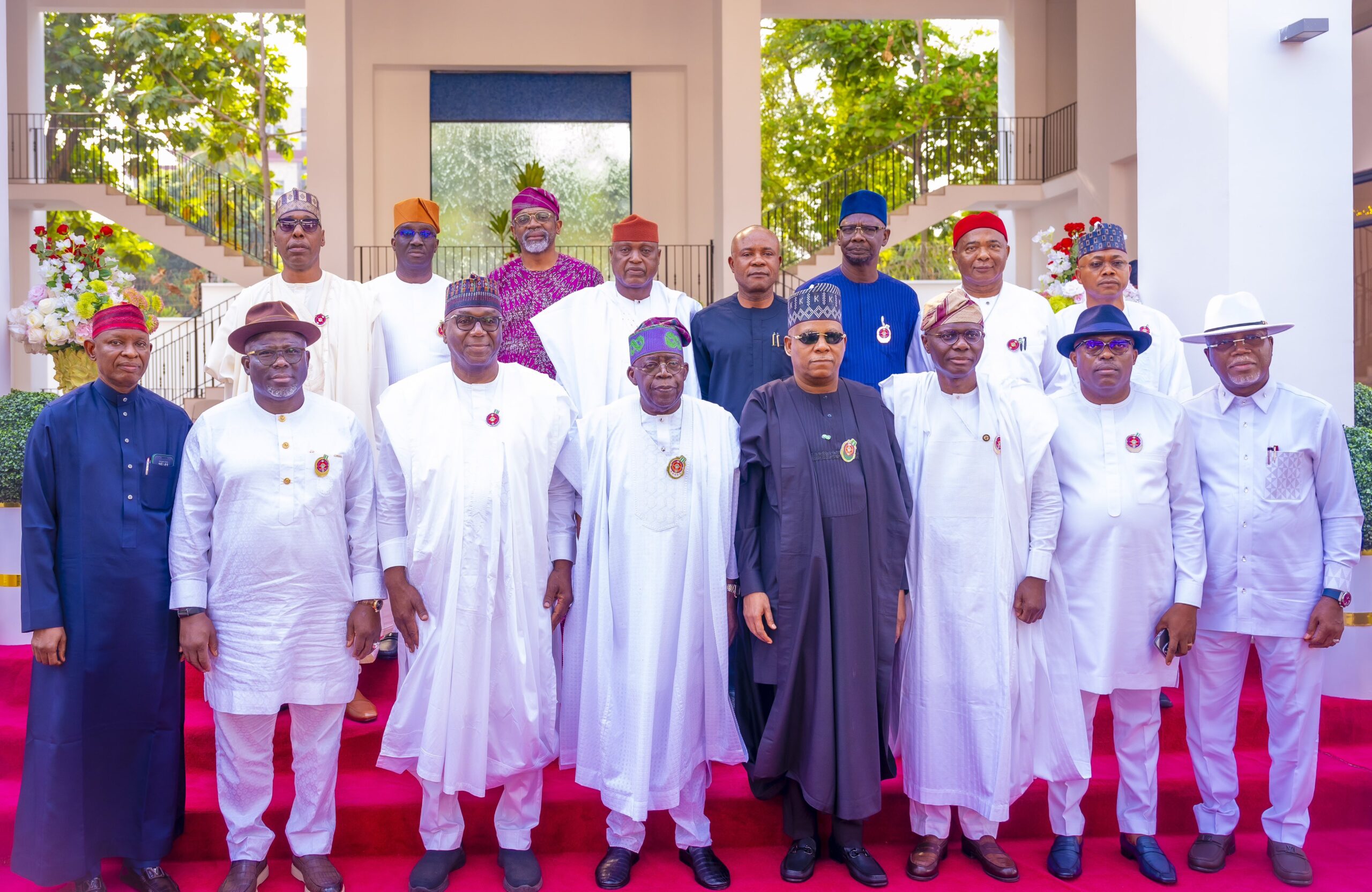
Ogun State Governor, Dapo Abiodun, and his colleagues from Ondo and Kaduna states, Lucky Aiyedatiwa and Uba Sani, were present to watch the debate.
Also in attendance were the Chief of Staff to the President, Femi Gbajabiamila, the Director-General of the Nigeria Governors’ Forum (NGF), Lateef Shittu, and some state attorneys-general.
The House of Representatives approved the state police bill on June 11. That same day, it passed its second reading in the Senate and was sent to the Senate Committee on Constitutional Review for more work.
On Tuesday, during an emergency meeting, Mr Akpabio read a letter from President Bola Tinubu asking the senators to look at and pass the bill for state police.
President Tinubu sent a draft of the bill with its details to the Senate, but it is not clear if these details differ from the version that passed its second reading two weeks ago.
What is clear is that the draft has extra provisions that the House version did not have. The president noted this in his letter.
"The bill builds on the significant work already done in this regard by the House of Representatives and the Senate, and incorporates additional safeguards to ensure that the creation of a dual policing structure to address our nation’s evolving national security challenges will be achieved quickly and effectively to the benefit of all Nigerians," the letter said.
The president’s message suggests that some parts of the version passed by the House might change during the discussions.
Political interests are likely to influence the debate. Governors may want parts of the bill that favour state governments, while lawmakers may want to add clauses that benefit them.
Currently, the senators have just started discussing the bill at the committee stage. Any version the Senate approves will be combined with the House version before the final bill goes to the president for approval.
The push for state police remains a debated topic among Nigerian leaders. Some argue that without proper rules, state police could be misused by governors against political rivals, to silence dissent, and to limit press freedom. Supporters believe state policing is the best way to deal with insecurity in the country.
So far, only Kebbi South Senator, Garba Maidoki, has openly opposed the bill. He argues that the timing is wrong and lawmakers did not have enough time to review the 146-page draft.
Mr Maidoki, a member of the African Democratic Congress (ADC), shared his views on Channels Television’s Politics Today on Tuesday.
He said he and other lawmakers who think like him will oppose the bill when it is finally voted on.
Mr Maidoki’s worries seem reasonable, especially since the Senate started debating the bill less than a day after the president sent it to them. This short time might not give lawmakers enough chance to study the document before the final vote.
Still, signs suggest that the bill will likely get the needed support and pass the Senate today.





Comments
No comments yet.