Sexual Violence in South Sudan: A Growing Crisis
In South Sudan, sexual violence against women and girls is rising, fueled by conflict and youth gangs. The crisis highlights failures in protection and justice.
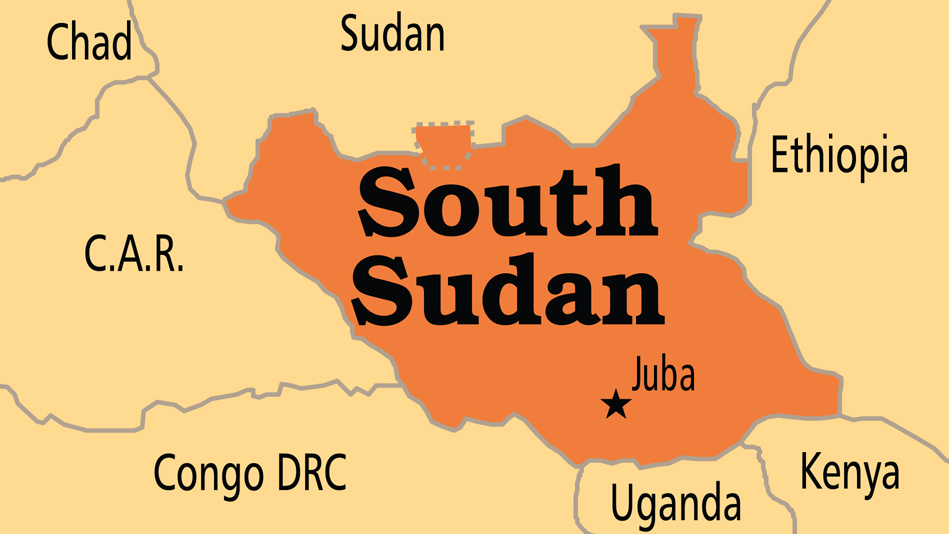
In South Sudan, women have faced terrible violence for a long time. During the civil war, local fights, and other conflicts, both state and non-state groups have used sexual violence to scare civilians, especially women and girls.
Conflict-related sexual violence in South Sudan is not just a humanitarian issue. It shows the state's failure to protect citizens and the failure of international peacekeeping efforts meant to keep civilians safe.
Recent research by the Institute for Security Studies shows that the problem is changing. There are reports of more attacks by youth gangs, especially in Juba, where young girls are raped and gang-raped. Some of these attacks are recorded and shared on social media, showing how physical violence is combined with technology in gender-based violence.
Sources also mentioned that women and girls are being trafficked from Ethiopia, the Central African Republic, and Sudan. Sexual exploitation happens around mining sites in places like Jebel Iraq, west of Juba, and Kapoeta in the southeast.
Women who are displaced face more risks when they go out to collect food, water, or firewood, especially in unsafe rural areas. Communities in Nasir and Leer counties are particularly at risk.
This crisis must be viewed alongside the country's peace agreements. The 2005 Comprehensive Peace Agreement, which ended Sudan’s long conflict and created South Sudan, did not address justice for sexual violence and other wrongs committed by both the Sudanese Armed Forces and the Sudan People's Liberation Army.
When civil war broke out in South Sudan in 2013, sexual violence continued, committed by government forces, the Sudan People’s Liberation Army in Opposition, the South Sudan People’s Defence Forces, and various militias. Victims were often targeted based on their ethnic background. Sexual violence became a tool for punishment, intimidation, and dehumanization.
Amnesty International has reported many cases of rape and gang rape, often with mutilation and the killing or abandonment of victims, including elderly women, young girls, and pregnant women.
The ongoing sexual violence is linked to weak military structures that do not see sexual violence as a crime. Even with military tribunals, the South Sudan People’s Defence Forces and the SPLA in Opposition have shown little interest in investigating or punishing offenders, even when cases are well-documented.
This culture of violence is made worse by harmful social norms and gender inequality. Sexual violence is often accepted and even rewarded among male fighters, especially young ones.
The conflict has splintered into many armed groups, making the issue worse. Between July and September 2025, the United Nations Mission in South Sudan documented a 147% rise in civilian victims of sexual violence compared to the same time in 2024.
The actual number of survivors is not known and includes women, men, and children. Many do not report their experiences due to stigma, fear of retaliation, and a broken justice system. State and non-state groups also limit access to verification teams and UN personnel.
The lasting impact of this violence is clear in children born from wartime sexual assault, who often face exclusion and lack of support. There is also a hidden crisis of sexual violence against men and boys, whose experiences are often ignored because of stigma and expectations around masculinity.
South Sudan has made some progress with court martials, mobile courts, and special judicial systems to deal with sexual violence. Convictions were made in 2018 and 2022, and a Gender-Based Violence and Juvenile Court was set up in Juba.
But these efforts are limited in a justice system filled with poorly trained and insensitive police, weak investigations, and corruption.
The 2018 revitalized peace agreement and its selective application also pose challenges. Chapter five focused on accountability, but parties have prioritized reconciliation and reparations instead of criminal justice and civilian protection. This creates a situation where alleged offenders are treated as political players, forcing survivors to seek justice from institutions that are not trustworthy.
The recent renewal of UNMISS's mandate raises further concerns. Its focus remains on protecting civilians and monitoring human rights, but troop numbers have been cut, and mentions of sexual violence and the Women, Peace and Security agenda have been removed.
This reflects a broader trend of reducing commitments to gender and women’s rights in international efforts. The language used in mandates is important as it shapes peacekeeping priorities. Past missions have shown that vague protection provisions lead to poor implementation, especially concerning civilian safety and responses to sexual violence.
To tackle the worsening protection crisis in South Sudan, four key areas need attention.
First, the UNMISS mandate should keep clear provisions for sexual violence. The gap between what is promised and what happens must be closed by ensuring proper protection, ongoing monitoring, and unhindered humanitarian access in high-risk areas.
Second, efforts to combat sexual and gender-based violence should connect with wider reforms in the constitution, governance, and rule of law. South Sudan's problem is not just weak institutions but also political systems that allow violence and impunity to continue.
Third, those in power must be held accountable. Responses to sexual violence should go beyond political deals that allow offenders to remain in power. It is essential to strengthen specialized courts, support justice mechanisms focused on survivors, and make progress with the Hybrid Court. The state must also improve how it collects data on sexual and gender-based violence to lessen reliance on humanitarian reports.
Lastly, international partners should increase long-term support for local civil society groups and networks led by survivors, which provide consistent help.

Comments
No comments yet.