Shettima launches $500 million fund for Niger Delta agriculture
Vice President Kashim Shettima has launched a $500 million fund to support agriculture in the Niger Delta, emphasizing the importance of food security for Nigeria's future.
Vice President Kashim Shettima launched the $500 million Niger Delta Agricultural Investment Fund on Wednesday in Abuja.
Mr Shettima announced the fund at the Niger Delta Agricultural Development and Investment Summit. This event was organized by the Vice President's office and the Niger Delta Development Commission (NDDC).
The vice president called the fund an important step for a country that was once based on farming and whose farms supported the economy before oil was discovered.
He said Nigeria cannot ignore the potential for an agricultural boom. Mr Shettima pointed out that while countries rely on many resources, they survive because they can feed their people.
Mr Shettima stated that agriculture is not just the base of civilization; it is also key to political stability.
"Before a people raise cities, they must learn to feed them, and before a state earns the loyalty of its citizens, it must secure their daily bread."
He reminded everyone of how the groundnut pyramids in the North, the cocoa farms in the West, and the palm oil from the East and Delta funded early schools and hospitals in Nigeria.
Mr Shettima expressed sadness that the oil boom made it easier for Nigeria to neglect farming and taught people to import what they could grow at home.
He praised the Niger Delta region for taking the initiative with the Agriculture Investment Fund.
"What makes this vision inspiring is that it arises from a region that could have rested on its oil wealth and left feeding the nation to other hands."
He added, "The Niger Delta has instead chosen to return to an identity older than crude itself, for the palm oil of these creeks fuelled the commerce of continents long before the first barrel was drilled."
Mr Shettima highlighted that the region wants to change its story, feed the nation, and attract global attention. He said, "This is where philosophy must give way to action."
He explained that the fund will support various agricultural areas, including aquaculture, palm oil, cassava, cocoa, rice, horticulture, marine resources, and livestock.
"We will bring together the commitments already made by the World Bank, the African Development Bank, the Islamic Development Bank, the European Bank for Reconstruction and Development, and our private and commercial financiers."
"Above all, we have the Niger Delta Agricultural Development and Investment Council, which I am proud to chair, with the NDDC acting as its Secretariat."
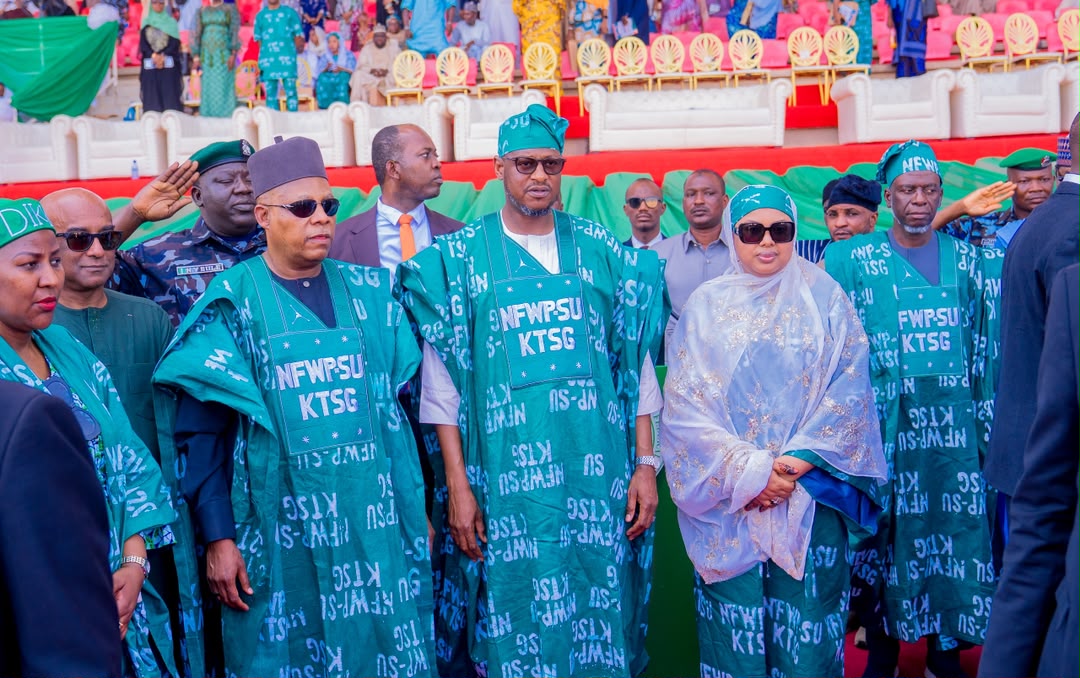
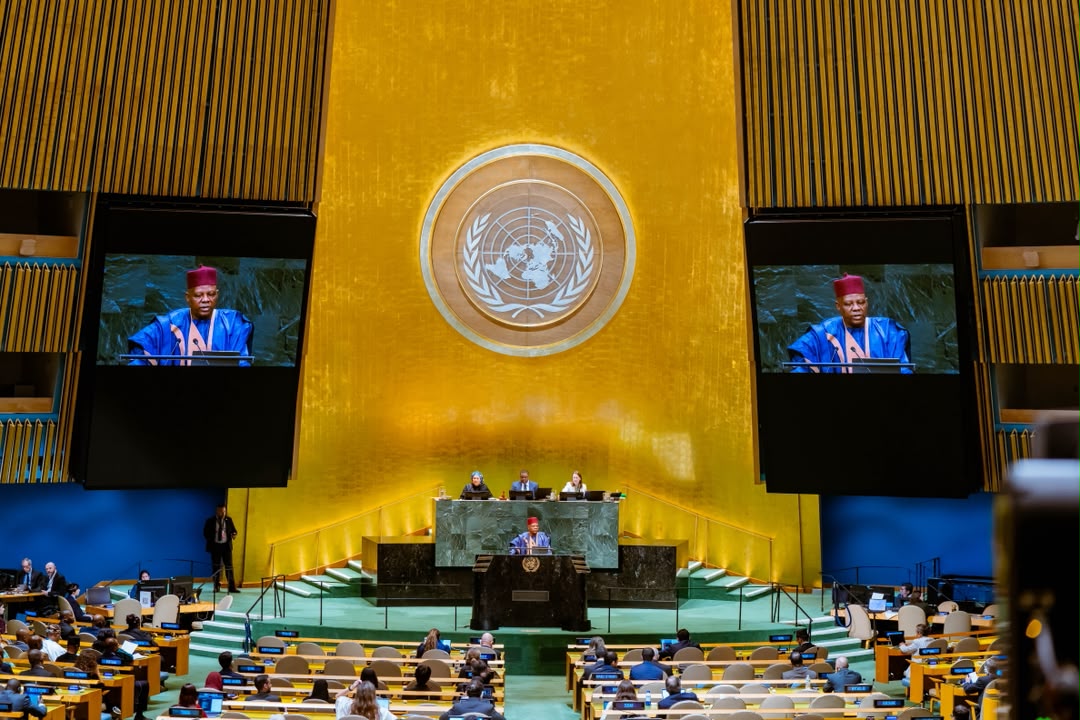
He mentioned that the fund will also focus on developing bankable projects across all nine states in the region.
Mr Shettima noted that when President Bola Tinubu took office in 2023, food security became a top priority.
"The idea was driven by the understanding that nations that lose control of their food eventually surrender control of their future."
He added that the President's declaration of a state of emergency in July 2023 changed Nigeria's approach to food production, market stability, and access.
"This is why mechanisation has become central to our efforts, and why we launched the Renewed Hope Agricultural Mechanisation Programme for 10,000 tractors over five years, along with local assembly plants."
"We are also working with the John Deere Tractorisation Programme, the Greener Hope Project, and the Green Imperative Programme," he further explained.
He urged investors, development partners, and state governors to see the summit as the beginning of their duty, not just a ceremony.
Mr Shettima stressed that "the fund is launched, the commitments are aligned, the council is constituted, and the pipeline awaits your conviction."
Earlier, the Minister of Regional Development, Abubakar Momoh, mentioned that the current government sees agriculture as vital for Nigeria’s economic growth.
"The national regional development policy recognises the potential of every region, not just in improving lives but in attracting investments and growth."
He said the Niger Delta Agricultural Development and Investment summit is crucial for improving the lives of youths and women in the region.
Mr Momoh called on the private sector and other stakeholders to work closely with all levels of government to achieve the goals set for transforming Nigeria's economy.
He pointed out that the government alone cannot fully transform Nigeria's economy.

Comments
No comments yet.