Speaker Abbas promises to change old laws to help Nigerian businesses
Speaker Abbas Tajudeen vows to change old laws that hinder investment and improve Nigeria's business environment. He emphasizes the need for stable and transparent regulations.
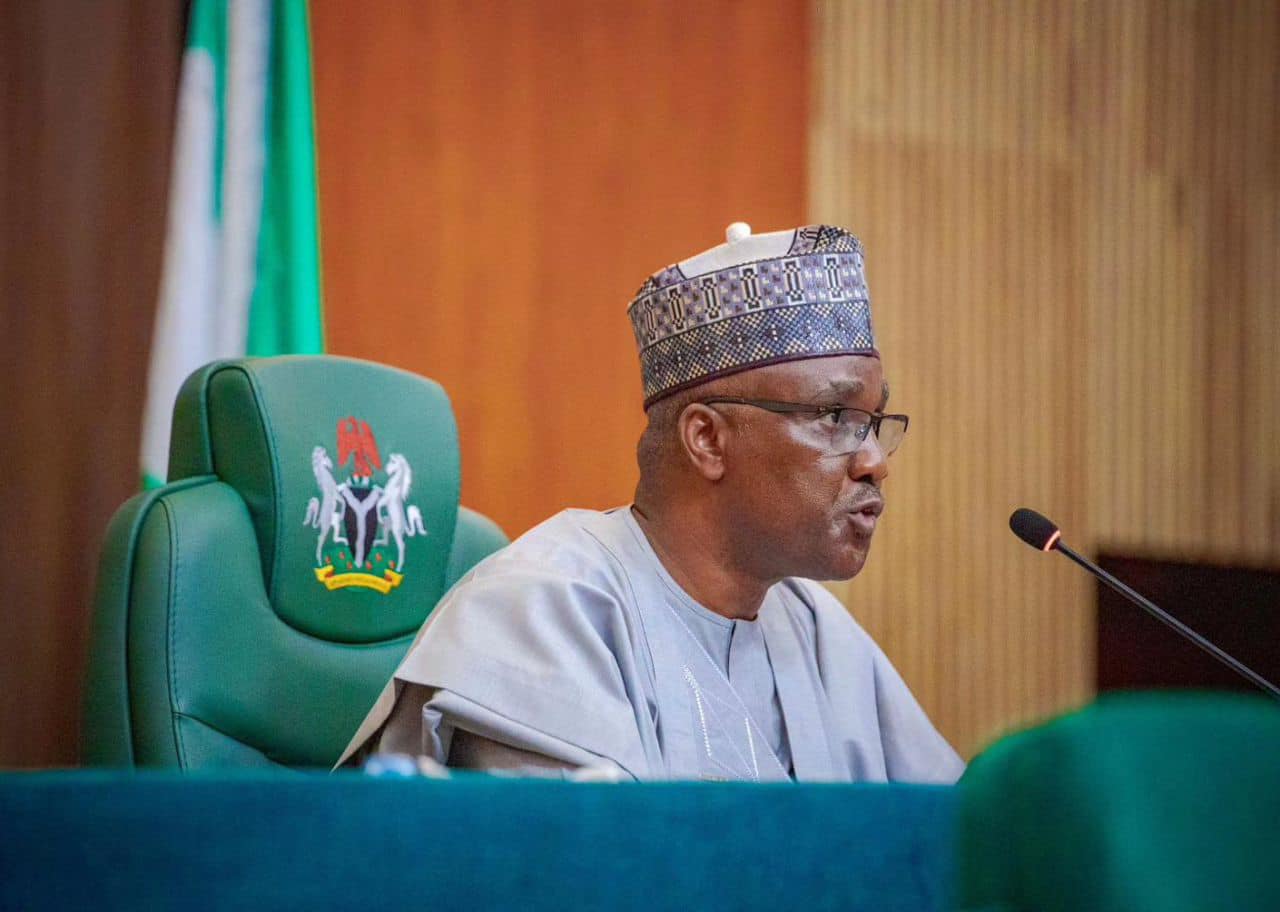
The Speaker of the House of Representatives, Abbas Tajudeen, has promised that the National Assembly will get rid of old laws that block investment and bring in changes to make Nigeria's business scene better.
Mr Tajudeen made this promise on Thursday at the Legislative Business Breakfast at the National Assembly. This event was part of the 2026 National Assembly Open Week. He said the House will work on making rules clearer, lowering business costs, increasing access to finance, and improving oversight of agencies that handle economic changes.
"We will repeal the obsolete laws that frustrate enterprise and legislate to support local manufacturing, agriculture, and our readiness for the continental market," the Speaker said.
He also promised investors more stable laws, saying, "Laws affecting business will be stable, transparent, and created with your input so that no investor is ever ambushed by a rule they could not foresee."
Mr Tajudeen mentioned that these promises came after talks with business leaders. He said Parliament needs to understand the problems of the private sector before making laws. He recognized issues raised by business leaders, like high borrowing costs, foreign-exchange changes, multiple taxes, poor electricity supply, insecurity, and uncertain policies.
"These are not idle complaints. They are the honest testimony of the men and women who create our jobs, and this House has heard them," he stated.
While he admitted that recent federal economic changes have caused short-term difficulties, Mr Tajudeen insisted that they were needed for long-term stability. "The decisions this country took… were long avoided but could no longer be postponed. They have been hard, and I will not pretend otherwise," he said.
He added that the National Assembly has supported these changes through laws, including tax reform laws, the Electricity Act, and the Investments and Securities Act. Looking ahead, the Speaker suggested setting up a permanent National Assembly and Business Executive Roundtable to meet twice a year and keep the talks going between lawmakers and the private sector. He encouraged business leaders to join public hearings and give solid recommendations to improve laws.
House Leader Julius Ihonvbere also called for better teamwork between lawmakers and the private sector. He said ongoing engagement is key to economic progress and democracy.
The Chairman of the House Committee on Commerce, Ahmed Munir, mentioned that the House is looking at several bills to update Nigeria’s business laws. This includes laws on the African Continental Free Trade Area (AfCFTA), digital economy changes, and sustainable finance.
"The National Assembly can no longer make laws in isolation and is committed to working closely with businesses to eliminate bureaucratic bottlenecks, improve regulatory certainty, and create a more predictable environment for enterprises to thrive," he said.
The Minister of Industry, Trade and Investment, Jumoke Oduwole, urged lawmakers to keep supporting economic reforms. She noted that good laws would boost investor confidence and help reach the government's goal of a $1 trillion economy.
Ms Oduwole mentioned recent figures from the Nigerian Economic Summit Group’s Business Confidence Monitor. This showed that Nigeria’s business environment stayed in "expansion territory" for the sixth month in a row in June 2026, with the Business Performance Index rising to 104.6 points. She pointed out key reforms by the Tinubu administration, such as changes to foreign exchange, removing fuel subsidies, and new fiscal and tax policies, as important steps to create a better business environment for investors.
The Executive Secretary of the Policy and Legal Advocacy Centre (PLAC), Clement Nwankwo, identified insecurity and multiple taxes as big problems for investment. He urged the National Assembly to keep a close watch on government agencies to protect businesses. He criticized the trend of agencies focusing on collecting revenue instead of helping businesses grow, pointing out that multiple taxes and charges are still major issues despite ongoing reforms.
Mr Nwankwo called on the House Committee on Commerce and other relevant committees to make sure that businesses are not burdened with excessive taxes and practices that can slow down economic growth.



Comments
No comments yet.