The Lassa Fever Crisis: Health Workers at Risk
Nigeria faces a worsening Lassa fever crisis, with healthcare workers among the most affected. Urgent measures are needed to protect those on the front lines.
Nigeria is facing a serious Lassa fever crisis. Instead of getting better, the situation is getting worse. In 2024, the Nigeria Centre for Disease Control and Prevention (NCDC) reported 1,309 confirmed cases and 214 deaths by the end of the year. In 2025, the disease affected 21 states, killing 201 people with a case fatality rate of 18.4 percent, which is higher than the 16.6 percent recorded the previous year.
As of last month, NCDC confirmed 167 deaths at a worrying 25.2 percent case fatality rate. There are over 663 confirmed cases, including 38 healthcare workers. The disease has spread across many local government areas in 22 of the 36 states and the federal capital. The trend is not improving; it is getting worse.
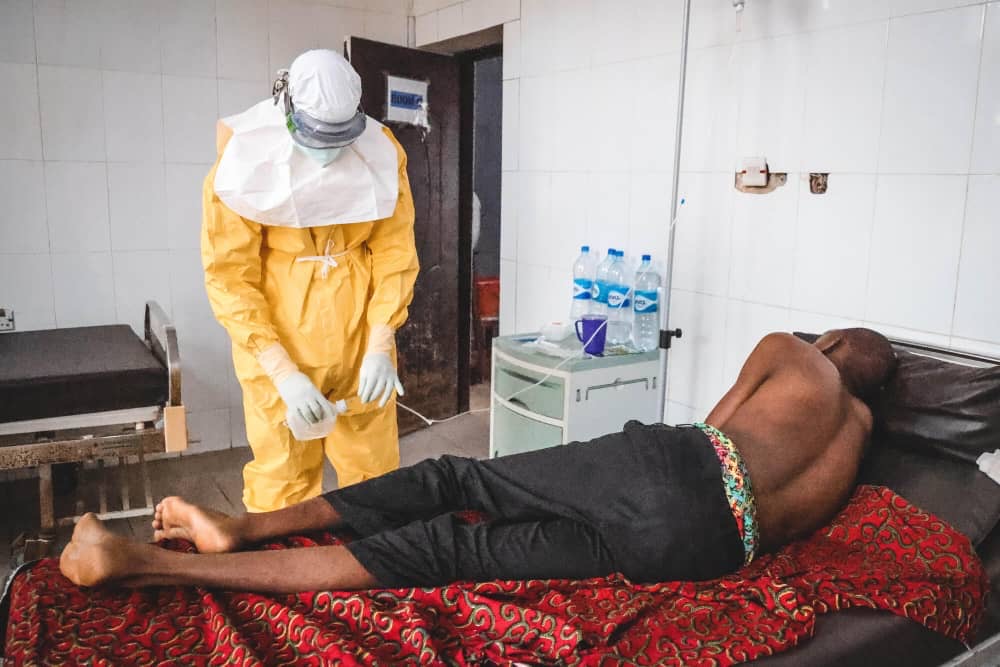
Healthcare workers have been hit hard, often accounting for many infections and deaths. This should make every policymaker sit up and pay attention. Why is a preventable disease affecting the health workers we cannot afford to lose? These workers are the ones protecting the public from this disease, yet they are falling sick and dying at alarming rates.
Nigeria has faced Lassa fever before, so the current situation is unacceptable. The disease has been documented in Nigeria since 1969. We know when it usually appears, which states are at risk, and how it spreads. Still, communities continue to report outbreaks every year, and new areas are affected, while the same protective measures fail to keep lives safe.
Lassa fever is not a mystery. We understand how it spreads and how to prevent it. What we lack is the ongoing political will and funding to tackle it effectively. When those who treat the sick become sick themselves, the whole healthcare system suffers. Health workers are forced to care for highly infectious patients in poorly equipped spaces, often using personal protective equipment (PPE) that arrives late or is not available at all. Nigeria is already struggling with a health workforce crisis as many doctors and nurses leave the country each year.
When remaining health workers get sick from a disease their workplaces failed to protect them from, it has far-reaching effects. Surgeries are delayed, newborns go unattended, and maternal deaths increase. Every health worker lost to Lassa fever represents a loss for all the patients they would have treated.
The priority now is to protect the health workers still on the front lines. Many primary healthcare facilities in areas affected by Lassa fever lack isolation facilities. Governments need to fund isolation wards, ensure PPE stockpiles are consistent, and set up rapid-response plans for suspected cases.
Ribavirin, the antiviral drug that can reduce Lassa fever deaths when given early, must be available in high-risk areas before the peak of the outbreak. It should not be requested in the middle of a crisis when supply chains are already stretched. Health workers should never have to improvise their protection against a deadly disease.
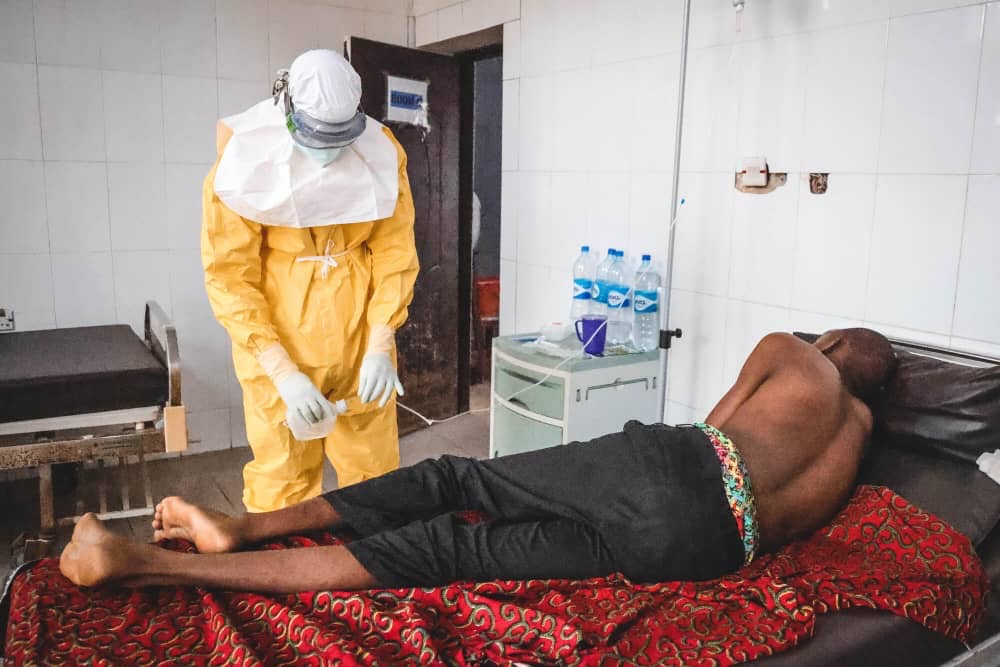
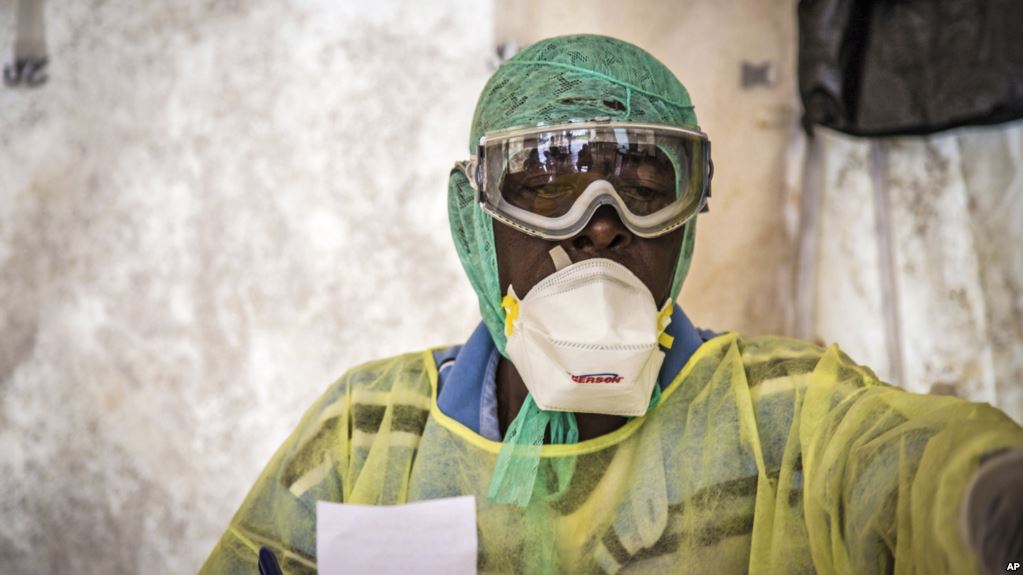
Protection must go hand in hand with knowledge. Frontline workers in affected areas need regular training on proper PPE use, how to handle suspected cases, and safe ways to manage samples. When a nurse contracts Lassa fever from a patient, it is not just a tragedy; it shows negligence. The training and tools that could have prevented this were not provided. Infection prevention is a basic necessity.
In early 2024, before the last reported outbreak, Rivers State started preparing. The Public Health Emergency Operations Centre at the state’s Ministry of Health began stocking medicines, PPE, and other essentials to respond quickly in public health facilities.
They also began mobilizing the community and sharing risk information. Infection prevention and control training followed, isolation facilities were improved, and support for manpower and patient care equipment increased. By the time officials received reports of four suspected cases, frontline workers were better prepared.
Addressing Lassa fever only at the clinical level is not enough. The multimammate rat is the main carrier of the virus. This rat thrives in crowded homes, where food is not stored properly, and waste is poorly managed. Community efforts to control rodents, better food storage practices, and public education campaigns in local languages can help stop the spread before it reaches hospitals. These measures often lack funding, allowing the virus to return stronger each season.
Health workers treating Lassa fever patients face challenges beyond the physical. They worry about getting infected and feel the pain of losing colleagues and patients in a system that does not support them. Providing hazard allowances for these workers should come with mental health support.
Burnout and emotional stress are pushing more health workers to leave the profession. A health system that does not care for its workers cannot expect them to stay. Every health worker who dies from Lassa fever did not just die from the virus. They died due to inadequate PPE, poorly designed facilities, and the lack of promised training. A nation that fails to protect those who care for its citizens faces a choice: act urgently to address this crisis or keep counting the dead and calling it an outbreak. The choice we make will determine our future.
Get more stories like this on your home page
How this story developed
- Lassa Fever Crisis: Our Health Workers Are Paying the Price
The Lassa Fever Crisis: Health Workers at Risk (this story)




Comments
No comments yet.