Tinubu turns down two National Assembly bills over legal issues
President Bola Tinubu has turned down two National Assembly bills, citing legal issues that require attention. The bills include amendments to the Raw Materials Research Council.
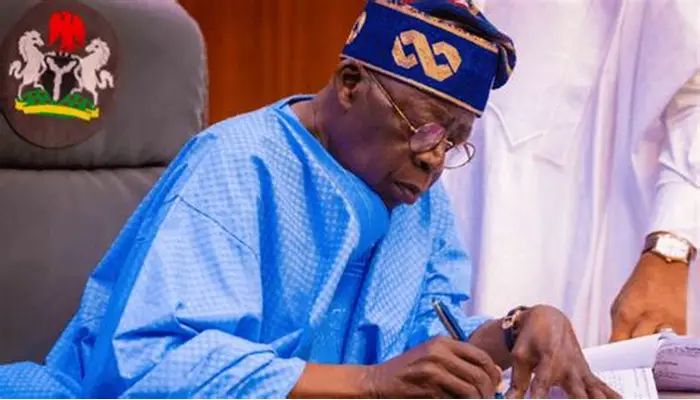
President Bola Tinubu on Thursday refused to sign two bills from the National Assembly. He raised concerns about legal issues and defects that need fixing before these bills can become law.
The Senate learned about the President’s decision through two letters read by Senate President Godswill Akpabio in the chamber.
The bills affected are the Raw Materials Research and Development Council (Amendment) Bill, 2026 and the Chartered Institute of Purchasing and Supply Management of Nigeria Bill.
In both letters, Tinubu explained that he was withholding assent based on Section 58(4) of the 1999 Constitution (as amended). This section allows the President to refuse assent to bills and send them back to the National Assembly with comments for reconsideration.
On the Raw Materials Research and Development Council (Amendment) Bill, the President pointed out that the proposed law had structural and drafting problems that needed to be sorted out.
He said the bill’s long title did not properly show its main goal of promoting the development, protection, and processing of Nigeria’s raw materials.
According to him, the title should make it clear that the amendment aims to provide for the development and protection of Nigeria’s raw materials while also helping local manufacturing and processing industries.
Tinubu also highlighted issues in Section 2 of the bill, stating it presented the council’s functions as legislative goals instead of operational duties. He said legislative goals should outline policy aims, not the specific duties of an agency, adding that the bill confused these two ideas.
The President also noted that parts related to adding value to raw materials were mixed in between sections about the council’s finances and annual accounts, which made the amendment hard to follow.
“These mistakes make the Bill confusing and hard to understand within the context of the Principal Act. Therefore, the Bill as it is now does not connect well,” he stated.
Tinubu also turned down the Chartered Institute of Purchasing and Supply Management of Nigeria Bill. He said some parts of it tried to give the institute powers beyond what is allowed.
While he agreed that many of the proposed changes were good, the President said some sections needed more legislative review before the bill could get his approval.

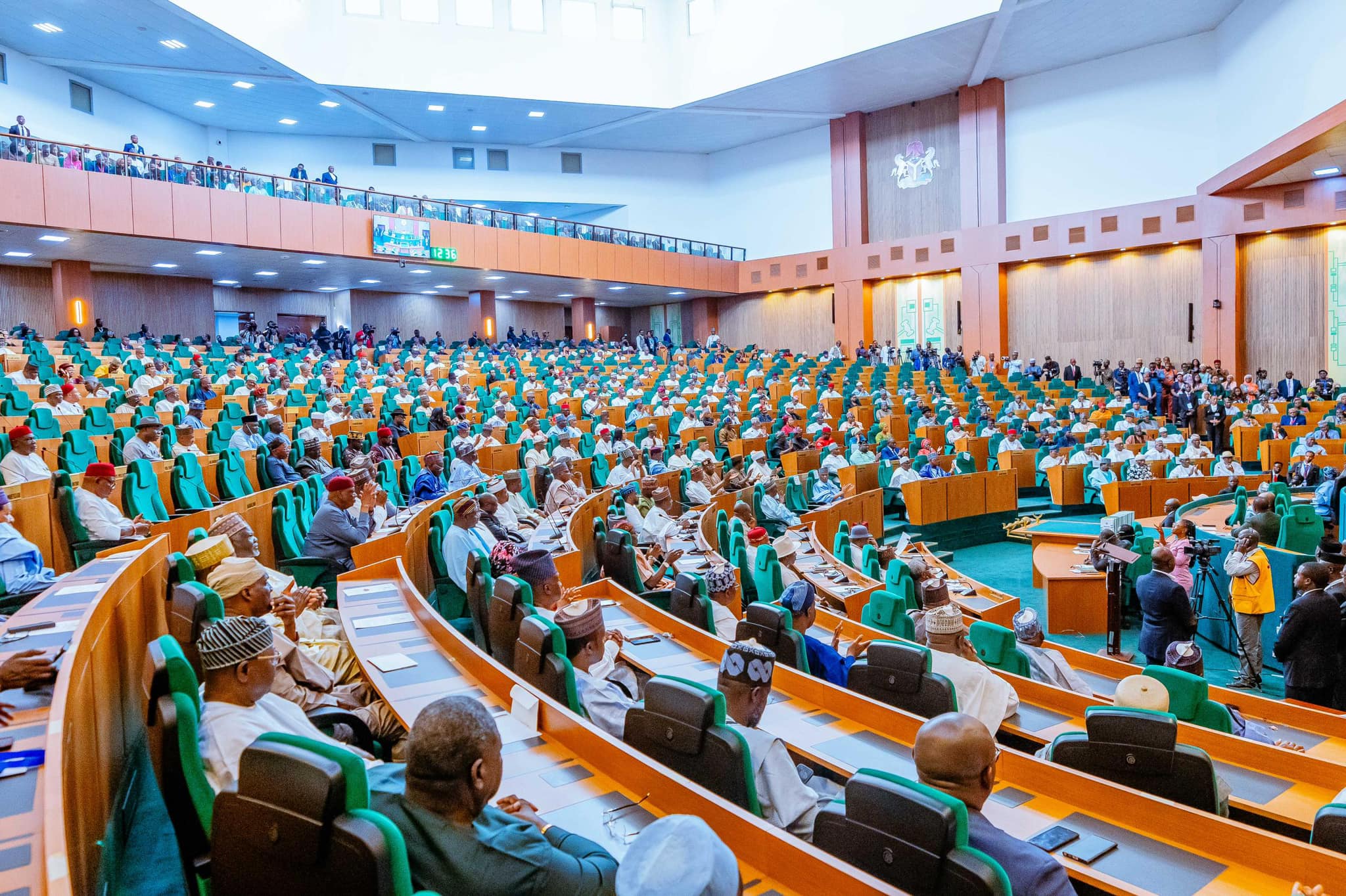
He specifically objected to the proposed change to Clause 8. This change seeks to add new sub-clauses (10) to (15) into Section 11 of the main Act.
According to Tinubu, one of the provisions would require incorporated entities and organizations to inform the institute within one month of hiring a head of procurement and supply chain.
He argued that this requirement was not reasonable because the institute is not the official regulator of those organizations.
“The Institute, not being the regulator, cannot force incorporated entities or organizations that are independent and perhaps not registered members of the Institute to provide such details,” the President said.
Tinubu also criticized parts giving the institute the power to inspect organizations, punish employers, and enforce compliance over entities created under the Companies and Allied Matters Act. He said these proposed powers went beyond what the institute is legally allowed to do.
Despite his objections, the President mentioned that the bill could still get his approval if the pointed-out issues are resolved.
“Once the above issues are corrected, the Bill may be suitable for retransmission for assent,” he said.
After reading the letters, Akpabio sent both communications to the Senate Committee on Rules and Business for further legislative action. He asked the committee to report back to the chamber within four weeks.
Under Section 58(4) of the 1999 Constitution, the President can refuse assent to any bill passed by the National Assembly and return it with comments for reconsideration.
Lawmakers can change the bill based on the President’s suggestions or, if necessary, override the veto according to constitutional rules.






Comments
No comments yet.