Tinubu's $1 trillion GDP goal and Rufai Oseni's emotional moment
This article discusses President Tinubu's $1 trillion GDP goal and highlights Rufai Oseni's emotional moment, reflecting on Nigeria's social media trends.
We live in a world where opinions spread quickly, and Nigeria is no different. Social media has made it easy for information to fly around, but not everyone takes time to check if what they see is true. Many people accept information that matches their feelings without questioning it. We often share news before thinking about its accuracy. Sadly, this rush to share has led to more people believing negative stories about Nigeria. According to the World Economic Forum, Nigerians spend the most time on social media in the world. We spend nearly four hours a day online, which is a lot. Nigeria has the largest population in Africa, making it a hotbed for social media activity.
This social media trend in Nigeria is something to watch closely. It shows how easily information can shape people's minds, for better or worse. Right now, those spreading negative news seem to be winning. People say no news is good news, and many believe that bad news sells better. With the way things are now, lots of Nigerians look for bad news about our country and share it quickly. On the other hand, we are also proud people. We often boast about our greatness, but when we complain, we do it in extreme terms. People say things like Nigeria is finished or there is no hope for the country. Even those profiting from the country's problems often speak the loudest about how bad things are.
This week, two events need to be highlighted to clear up some misconceptions among Nigerians. First, President Tinubu's goal of reaching a $1 trillion GDP by 2030 has faced criticism. Mustapha Chike Obi, a respected financial expert, questioned if the current government can reach this target. His comments went viral, especially among those against the government.
My take is that setting targets helps us aim higher. If Nigeria aims for $1 trillion and ends up at $750 billion or $800 billion by 2030, that’s still a good achievement. Currently, Nigeria's GDP is close to ₦500 trillion. The latest IMF report says our GDP will hit ₦530 trillion by the end of this year and grow to ₦580 trillion by 2027. I believe it could be even more. If we keep the exchange rate from the Buhari era at ₦490 to $1, Nigeria's GDP could reach $1.08 trillion by the end of this year, even though the goal is for 2030. Those criticizing should think about this.
We also need to understand why the naira has weakened in 2023 and 2024. The big gap between official and unofficial rates has mostly closed. Sometimes, buying dollars unofficially is cheaper. A weaker naira has its benefits. It discourages imports and encourages exports, which strengthens our economy. The Central Bank of Nigeria is not rushing to strengthen the naira because that would increase imports and put pressure on the currency. All dollar demands are being met, and our reserves are growing. The IMF report also mentioned that the naira is undervalued and should trade at about ₦1,147 to $1. This is the first time in a while that the IMF has hinted that our currency is overvalued.
Foreign reserves are at $52 billion today, already exceeding the target for this year. The IMF predicts they will reach $58 billion by the end of 2026. If the naira strengthens to ₦1,000, Nigeria's GDP would jump to $500 billion and we could become the largest economy in Africa. If we continue on this growth path and the naira appreciates, we might get close to that $1 trillion mark. What really matters for us is the naira, not dollars. Most of our transactions are in naira, especially as the President pushes for local government autonomy. The Purchasing Power Parity shows that a dollar goes ten times further in Nigeria than in the US. We should not always compare ourselves to the US or any other developed country. The main focus should be on how we can grow our naira GDP and ensure better equality of income.
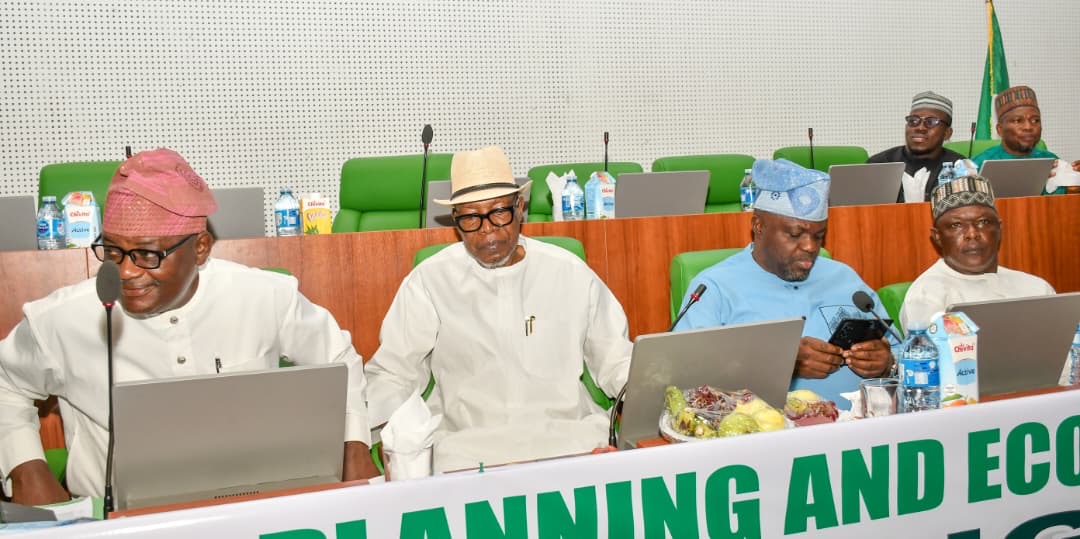
At current growth rates, we could reach ₦700 trillion by 2030. If our GDP growth picks up, this could improve even more. We are close to becoming the largest economy in Africa, overtaking Egypt and South Africa. The other significant event was when TV host Oseni Rufai cried on his show. I still find it strange that news anchors in Nigeria use prime time to express personal opinions, but Rufai made a valid point.
Rufai talked about how in 1974, during an oil boom, Nigeria lent $240 million to the World Bank and $120 million to the IMF. Back then, Nigeria had a temporary economic boom. The Central Bank Governor, Dr Clement Isong, told then Head of State, General Yakubu Gowon, that money was not Nigeria’s problem, but spending it wisely was. This was true at the time, as Nigeria lacked the knowledge to handle sudden financial abundance. Rufai's tears should be for the missed opportunities caused by these international lenders. Less than ten years later, Nigeria was seeking help again as commodity prices fell.
The real reason to cry is that we didn’t invest the 1970s oil boom money in more infrastructure. Nigeria had just come out of a civil war and two coups. The economy didn't have the capacity to manage such funds. Gowon and his team faced challenges. They ordered too much cement for military barracks, flooding ports and causing delays. At the same time, they had to pay civil servants, leading to inflation. Rufai shouldn't mislead the public into thinking Nigeria was thriving in 1974. We had much infrastructure to build, and our population was still largely rural and uneducated. I understand his frustration over the properties seized from Mr. Abubakar Malami, especially if linked to corruption. But those are separate issues.
When comparing the excess money of 1974 to today's debts, we must recognize that countries are wiser now. In 1974 and now, we are still shaping our stories as we go. In a previous article, I said, "Nigeria is Not Overborrowed but Underfinanced." Africa holds just 1.8% of global debt, which should concern us more than noise and panic. Why is Africa carrying the debt of Australia while powerful nations hold much larger debts? Why does Nigeria have a debt-to-GDP ratio of 38%, lower than many countries, yet we still complain about debt? Our revenue situation is improving. Do we have the infrastructure to finance? Is finance vital? Should we spend short-term revenue on long-term projects, risking mismatches and abandoned work? Are we smart enough to create public and private partnerships that ensure accountability and reduce corruption? Do we truly want development or prefer to stay in the past? These are important questions that will guide our next steps.
I would advise my friend Rufai, who I have known for over ten years, to bring less emotion into his public discussions. His platform is too important for theatrics. Nigeria has changed since 1974 and continues to progress every day. Many Nigerians are looking for direction, encouragement, and hope. The constant stream of negativity does not help Nigeria in the long run. It hurts our image and closes doors for the nation and its businesses. It slows our progress and paints every Nigerian as a suspect, making the nation look bad. Some media people benefit from this negativity, getting paid more for spreading doom. They might think they are just doing their jobs, but if Nigeria improves, their format disappears along with the money. Maybe they do it to grab the attention of powerful people and get paid. Whatever the case, those who should help lift Nigeria out of its struggles often end up holding us back, creating a negative image, less hope for our future, and angry youth. This is good for them but bad for Nigeria. We need a change.


Comments
No comments yet.