Tobacco Farming in Africa Poses Health Risks to Workers
A WHO report shows tobacco farming in Africa has increased, raising health concerns for workers and environmental issues. Key countries include Zimbabwe and Malawi.
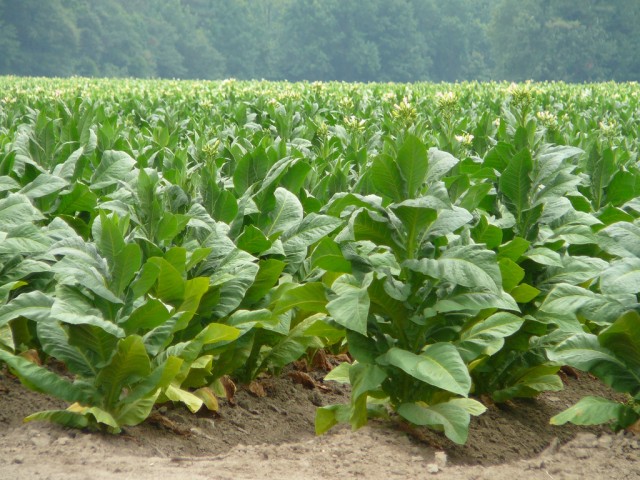
A new report by the World Health Organisation (WHO) shows that tobacco farming in Africa grew by almost nine percent from 2012 to 2024. This is surprising since global production dropped by nearly 19 percent during the same period.
The increase raises worries about the health risks for tobacco farmers and workers. It also raises concerns about the environmental and social impacts of growing tobacco.
In 2024, Africa produced over 639,000 tonnes of tobacco leaf, making up about 11 percent of the world's tobacco production. The report highlights that five countries are responsible for most of this production: Zimbabwe, Malawi, Tanzania, Mozambique, and Uganda.
East Africa alone produces nearly 90 percent of the region's tobacco leaves.
Health Risks
Vinayak Prasad, who leads the Tobacco Free Initiative at WHO, said tobacco farming puts workers and their families at serious health risks. It also harms the environment and can trap farmers in debt.
Mr Prasad emphasized that this issue goes beyond just controlling tobacco. It should also be viewed in terms of health, trade, development, and environmental sustainability. "This is not just a tobacco-control issue. It is a health, trade, development, and environmental issue," he stated.
The report points out that green tobacco sickness is a direct health risk for farmers. This sickness happens when nicotine from wet tobacco leaves gets absorbed through the skin while handling them.
Farmers and workers may also be exposed to harmful pesticides and tobacco dust during planting and processing. Additionally, tobacco farming uses a lot of land, water, and resources that could be used for food production and better living.
This practice can lead to soil damage, deforestation, and greenhouse gas emissions from curing tobacco leaves.
Children at Risk
WHO raised alarms about children from poor families working on tobacco farms. The organization noted that children in some low and middle-income countries skip school to work on these farms and help their families financially.
The report warns that this exposes children to health and social risks linked to tobacco farming and harms their education.
Tobacco’s Economic Burden
These health issues come at a time when Africa’s cigarette imports are rising. The report states that the continent's cigarette import bill more than doubled from 2012 to 2024, increasing from $833 million to $1.77 billion.
The findings challenge the idea that tobacco is key to many countries' economies. Tobacco-leaf exports make up more than one percent of gross domestic product in only a few countries, like Malawi and Zimbabwe.
In most countries, the economic benefits of tobacco farming and trade are limited. Meanwhile, the health, social, and environmental costs are significant, according to WHO.
Mr Prasad called for countries to receive help in moving away from relying on tobacco and finding other ways for farmers and workers to earn a living. "Countries need support to move away from economic dependence on a product that harms health, farmers, and the environment," he said.
He noted that the findings show the need for trade and development policies to align with public health and sustainable development goals.
Alternative Livelihoods
Under Articles 17 and 18 of the WHO Framework Convention on Tobacco Control, countries are encouraged to find good alternatives for tobacco workers and growers. These provisions also urge countries to protect the environment and public health from the effects of tobacco farming.
WHO is calling for stronger support for countries looking to move away from tobacco production, protect farming communities, and enhance tobacco control policies. The organization also stressed the need to lessen the economic burden linked to tobacco use and trade.





Comments
No comments yet.