Understanding the State Police Bill: Key Points and Concerns
The State Police Bill has been approved by the House and Senate, aiming to enhance security in Nigeria. It raises important questions about governance and police power.
For over twenty years, people have been calling for state police in Nigeria. This issue has always stirred up strong feelings in our political talks.
Many believe state police is the solution to the growing insecurity in Nigeria. Others worry it could give governors too much power, which they might use wrongly for politics.
On Thursday, 11 June, the discussion moved forward.
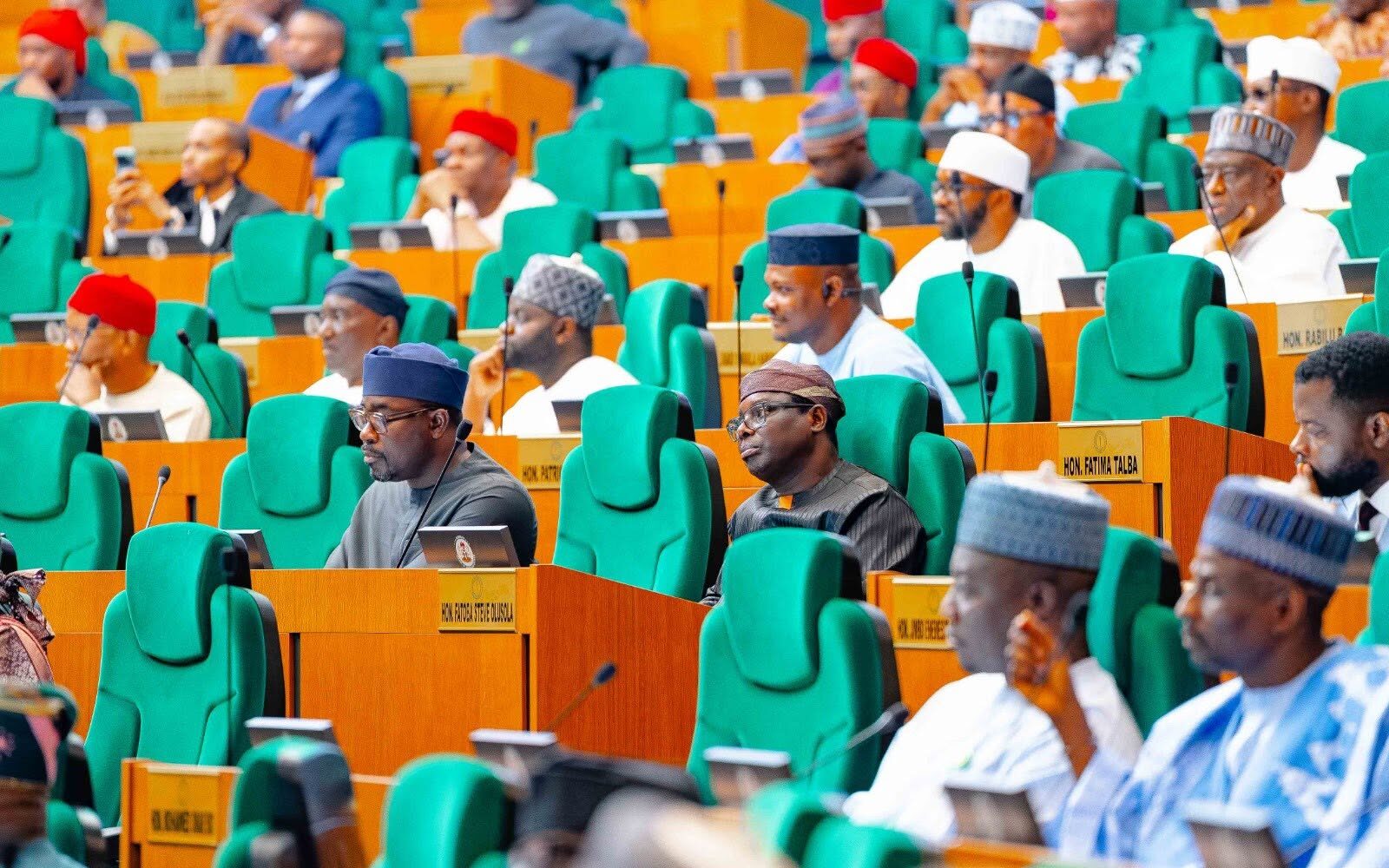
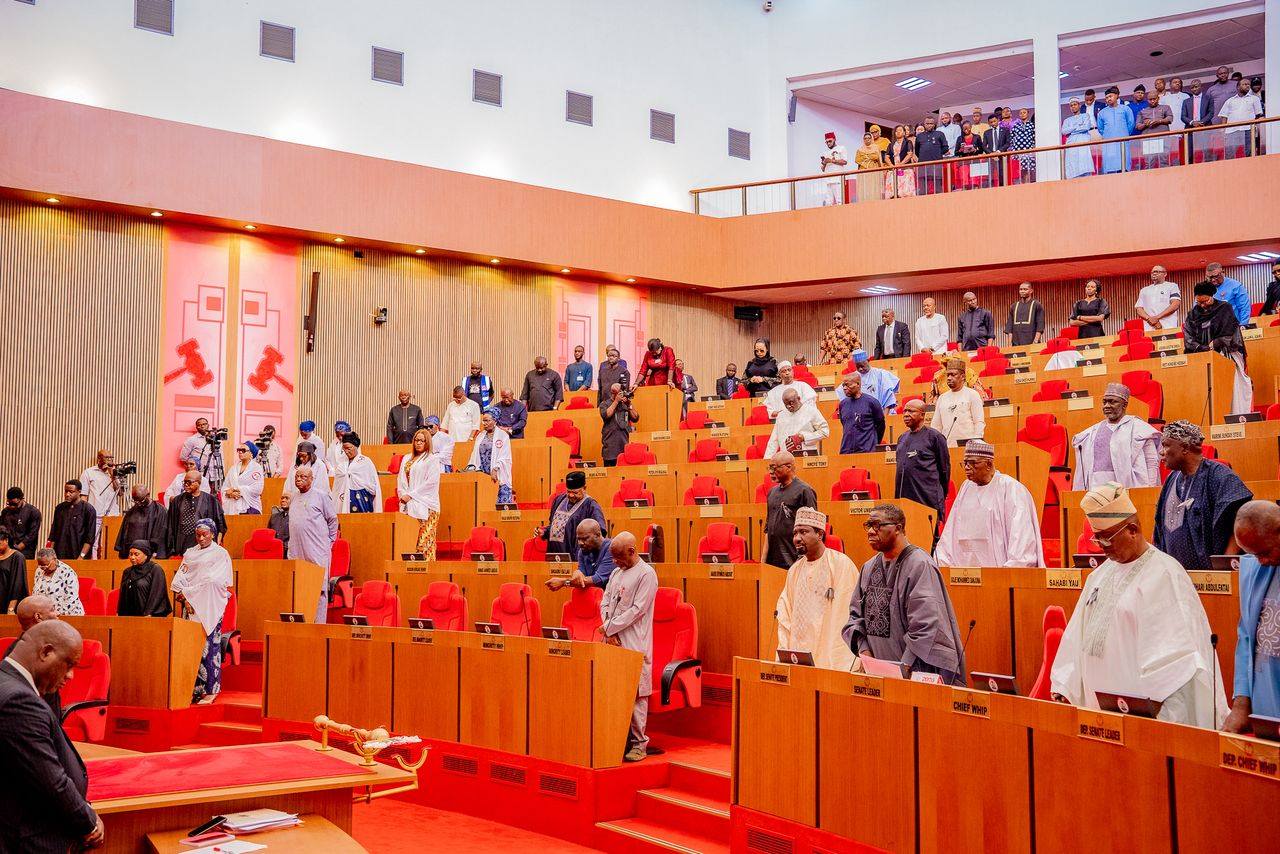
The House of Representatives approved a bill to create state police across Nigeria. This is a major step in reforming security, as the Senate also passed the bill on Wednesday.
The bill is part of changing Nigeria's Constitution to improve security. This is in response to the rise in crimes like terrorism, banditry, kidnapping, armed robbery, and other violent acts.
In the House of Representatives, 289 lawmakers voted in favor of the bill, with only one against it. This shows strong support across party lines for a proposal that has divided many before.
If there are differences between the Senate and House versions, a committee will sort them out before sending the final bill to the states. The Constitution requires that at least 24 out of the 36 state Houses of Assembly must agree to it, and then the president must sign it for it to become law.
This development brings up some key questions:
What are the main points in the State Police Bill?
The proposed amendment has many changes, but a few stand out for how they might change security management in Nigeria.
Two police systems, One of the biggest changes is creating both the Federal Police and State Police.
This will end the current system where the Nigeria Police Force is the only police body recognized in the country.
However, states won’t start policing right away. They must first pass a law to set up their police force and meet national standards set by federal laws.
Governors will appoint state police commissioners, Under this bill, a state police service will be led by a commissioner of police chosen by the governor.
But it won’t be solely the governor's choice. The National Police Council will be involved, and the State House of Assembly must confirm the appointment.
This aims to create checks and balances in the process.
Police commissioners can challenge governors, This provision is meant to handle fears that governors might misuse state police for political ends.
The bill allows a state commissioner of police to question orders seen as illegal or against established policing standards.
If such issues come up, they will go to the National Police Council, which will have the final say.
Federal police can still step in, The bill doesn’t allow state police to act fully independent. Federal police can intervene when there is a serious breakdown of law and order, if a governor asks for help, or if a state police force can’t operate due to problems.
Even then, approval from the National Police Council is needed.
Federal government can support state police financially, Funding is a major concern about the proposal.
The bill allows the federal government to give grants and financial help to state police services, following recommendations from the National Police Council and the National Assembly’s approval.
A strong National Police Council will be formed, The bill suggests a bigger National Police Council made up of people from federal and state governments, retired police officers, human rights groups, labor unions, traditional leaders, lawyers, and journalists.
This council will coordinate policing across the country.
It will handle appointments, discipline, setting standards, oversight, and coordination between federal and state police.
Every state must create a Police Service Commission, Every state will need to have a State Police Service Commission.
This commission will manage recruitment, discipline, and staff within the state police service.
It will recommend senior officers for appointment and have direct authority over officers below the rank of assistant commissioner of police.
Policing from Abuja
Nigeria currently has a very centralised police system.
According to the Constitution, the Nigeria Police Force is the only recognized police organization. From Lagos to Maiduguri, Port Harcourt to Sokoto, police officers ultimately report to the Inspector-General of Police (IGP) in Abuja.
Governors are called chief security officers of their states, but they have limited power over police actions.
Many believe this system is hard to keep up now.
Nigeria's population has grown quickly, security threats have become more complicated, and criminal groups are now more advanced and mobile. Yet, the police structure remains centralised, trying to cover over 200 million people in 36 states.
Supporters of state police feel this leads to slow responses to local security issues and a disconnect from the communities.
The new constitutional amendment wants to change this situation.
The controversial clause
Even with some safeguards, the part of the bill allowing governors to appoint state police commissioners is likely to spark debate.
Critics worry that state police could be used against political rivals, especially during elections.
Supporters argue that the bill's requirement for National Police Council involvement, legislative confirmation, and oversight mechanisms offer enough checks to prevent misuse.
The bill's drafters tried to tackle this concern.
Under the proposal, a state police service will be led by a commissioner chosen by the governor. But this choice will not be solely the governor's. The candidate must come from a process that includes the National Police Council and be confirmed by the State House of Assembly.
More importantly, the bill has a safeguard against unlawful orders. If a commissioner thinks a governor's instruction goes against policing standards or the law, it can be taken to the National Police Council for review. Their decision will be final.
This provision could help reduce political interference. But whether it will work in practice is another question.
Can states afford it?
Funding might be the biggest challenge to making this work.
Setting up and running a police service costs a lot.
Salaries, recruitment, training, equipment, communication systems, forensic labs, intelligence setup, and logistics all need significant money.
Many states struggle to meet their current financial duties, including paying workers' wages.
Critics question whether some states can afford to maintain effective police services.
The bill tries to address this by letting the federal government offer grants and financial help, with the National Assembly's approval.
Still, questions about long-term funding remain.
Will every state keep the same policing standards?
Could richer states build better police forces while poorer states lag behind?
The bill does not answer these questions.
Why supporters believe the time is right
For those in favor of state police, the reasoning is clear. Criminals usually know their local areas better than security agencies.
A police officer from a community is likely to understand local languages, cultures, geography, and emerging threats better than someone sent from far away.
Supporters say local policing could improve intelligence, speed up responses, and boost accountability.
Many point to successful local security initiatives like Amotekun in the South-west and other regional outfits as proof that local security can support national efforts.
To them, state police is not just a security reform; it acknowledges that Nigeria's security needs have changed beyond what a single police force can manage.
Yet, worries remain.
Nigeria's past shows many examples of security agencies being accused of bias during elections and disputes.
People fear that state police could be used to silence opposition voices, intimidate political rivals, or sway election results.
Others are concerned about jurisdictional issues.
If a crime crosses state lines, which police handle it?
What happens if federal and state authorities disagree?
How will information sharing work?
These are issues lawmakers need to address as the constitutional amendment moves forward.
The state police proposal is about more than just policing.
It raises questions about how power should be shared in Nigeria.
For years, those pushing for constitutional changes have claimed too much power is held at the center.
The state police bill shows a clear attempt to move some of that power closer to the states.
Whether Nigerians see this as necessary change or a risky experiment will shape the discussion in the coming months.
What is clear is that with the House vote and Senate approval, one of Nigeria’s longest-running constitutional debates is much closer to becoming real.
Security expert shares thoughts
Security analyst Ben Okezie said the strong support for the bill in the National Assembly shows lawmakers believe they can build enough safeguards into the system.
He praised the decision made by lawmakers, saying state police could greatly improve Nigeria’s security response and create jobs if done right.
He pushed back against worries that the initiative would fail due to opposition from certain groups.
“Anything that is starting, some people will always try to create problems so it can fail. But state police everywhere have been successful and should be recommended for Nigeria,” Mr Okezie told PREMIUM TIMES.
He believes a decentralised police system would make it harder for criminals to cross state lines unnoticed.
He used the recent killings in Oyo State as an example, arguing that state police could have allowed nearby states to respond faster and catch suspects before they fled.
Mr Okezie, a long-time supporter of state policing, said fears about governors taking control of state police should not stop the proposal.
“Concerns have been raised for years, but legislation can handle that. The police commissioner will know he is in charge of security, not the governor. If there is interference, legislators and the media will raise the alarm,” he said.
Gradual rollout
Mr Okezie suggested starting with a gradual rollout where a few states from different regions would be pilot locations before a nationwide launch.
This would help identify problems, fix them, and strengthen the system before wider adoption.
“I was thinking one or two states in the North, one or two in the West, and one or two in the South could start first. As they progress, we would see and fix any issues before others join,” he said.
Beyond security, Mr Okezie noted that state police could create jobs for many young Nigerians.
He said state police organizations would open opportunities not just for police officers but for mechanics, media workers, admins, intelligence staff, and others.
Creating jobs could also help reduce the number of young people who might turn to crime.
On worries about financial pressures on states, Mr Okezie said this is often exaggerated.
He pointed to existing security funds and other resources states have, saying the system could be built gradually instead of all at once.
“The main costs will be weapons, equipment, and infrastructure, but states don’t need to build everything immediately. They can start slowly and grow over time,” he said.
He added that staffing needs could be met using established ratios, allowing states to recruit based on their needs and available funds.




Comments
No comments yet.