US Aid Cut Could Push Nigeria Towards Self-Reliance - APC Leader
Ayoola Lawal of the APC believes the US aid cut should inspire Nigeria to enhance self-reliance and strengthen its institutions for better governance.
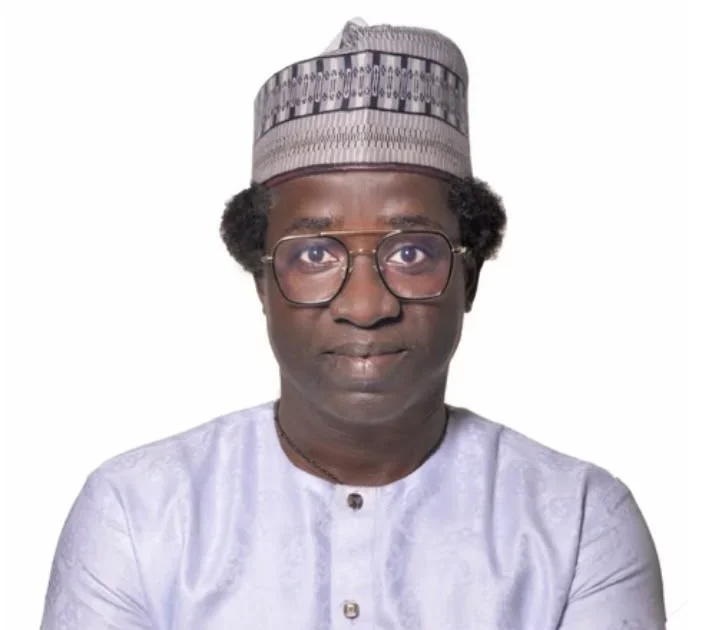
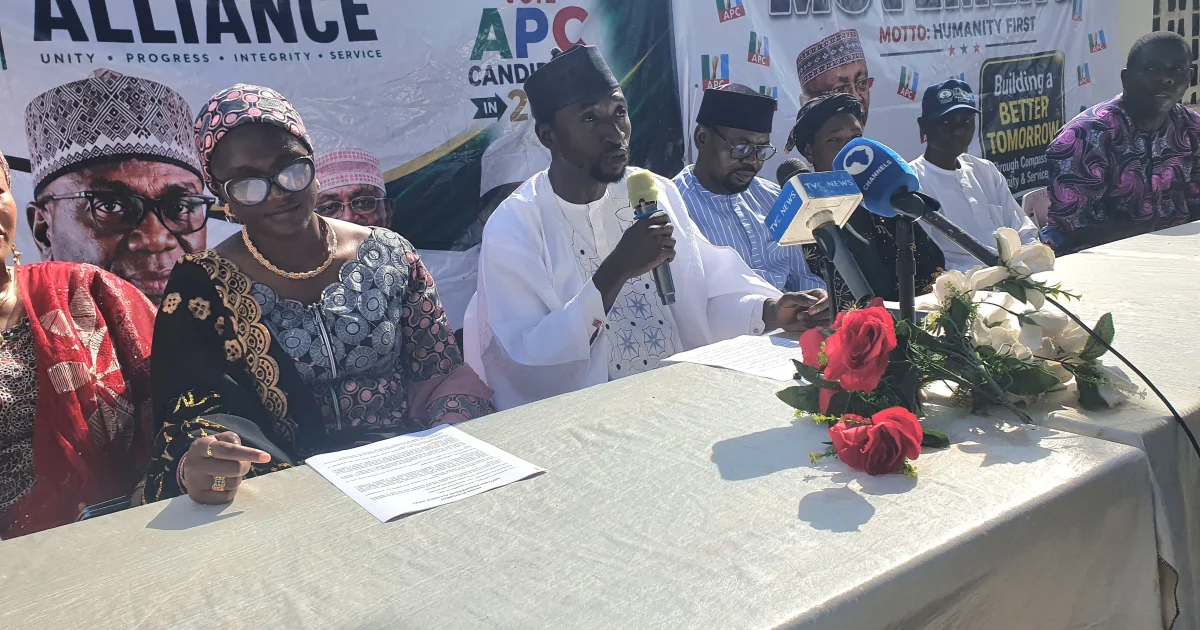
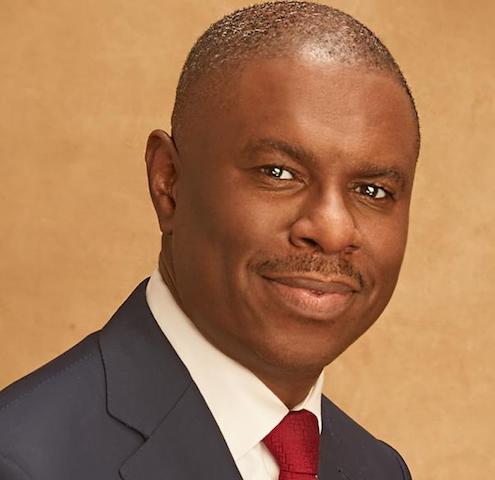
A leader of the All Progressives Congress and former House of Representatives candidate, Ayoola Lawal, has said that the recent proposal by the United States House of Representatives to cut aid to Nigeria should encourage the country to focus on self-reliance. Instead of complaining about the possible loss of foreign support, Nigeria should see this as a chance to improve its situation.
In a statement on Friday, Lawal said that the proposed aid cut allows Nigeria to build its institutions, govern better, and depend less on foreign help by managing its resources wisely.
“The proposed suspension of U.S. assistance should not be viewed as a national setback but as an opportunity for Nigeria to strengthen its self-reliance and national institutions,” he said.
His comments came after the U.S. House passed an amendment to a spending bill that would hold back aid to Nigeria until the U.S. Secretary of State confirms that Nigeria is effectively addressing violence and protecting vulnerable communities. This proposal is still working its way through the U.S. legislative process and has not yet become law.
Lawal emphasized that Nigeria’s security problems need local solutions backed by strong institutions and accountable leaders. “Nigeria’s security challenges, including terrorism, banditry, kidnapping and communal conflicts, remain fundamentally Nigerian problems that require Nigerian solutions,” he stated.
He pointed out that while international partnerships are important, lasting peace can only come from good governance and stronger security bodies. He mentioned that President Bola Tinubu’s administration has invested heavily in fighting insecurity. The Armed Forces, intelligence agencies, and police are stepping up operations against criminal gangs across the country.
Though he recognized that insecurity is still a big issue, Lawal argued that there are signs of progress in restoring peace in affected areas. He also criticized views that frame Nigeria’s security crisis only as religious persecution, stating that such views oversimplify a complex issue.
“Attempts by certain foreign interests to reduce Nigeria’s multifaceted security crisis to a narrative of religious genocide as a basis for foreign policy decisions lack both logic and sincerity,” he said.

He explained that Nigeria’s insecurity is due to factors like terrorism, banditry, organized crime, communal clashes, conflicts between farmers and herders, and separatist violence. It is misleading to blame the crisis solely on religion.
Lawal further argued that Nigeria has the necessary human and natural resources to develop independently without relying on foreign aid for too long. “Nigeria’s greatest obstacle has never been a lack of wealth but the persistent challenges of corruption, weak institutions and poor governance. If corruption is decisively confronted by both leaders and citizens, Nigeria would have little need to rely on foreign taxpayers’ money,” he said.
He noted that it is understandable that many Americans want their government to focus on local issues. Even though foreign aid is a small part of U.S. federal spending, many taxpayers feel that money should go to healthcare, education, infrastructure, veterans, and families in need.
On the situation in the Middle East, Lawal advised U.S. Congress members to be careful when approving foreign aid. He said the humanitarian crisis in Gaza needs serious moral and legal thought. He urged American lawmakers to ensure that public funds promote peace, justice, and respect for international humanitarian law.
Lawal stressed that Nigeria’s future development should rely on responsible leadership, accountable institutions, and active citizens rather than on outside help. “If the United States ultimately reduces or withdraws assistance to Nigeria, the country should respond with determination rather than resentment. National dignity and sustainable development will be better secured through self-reliance, good governance and the effective management of Nigeria’s vast human and natural resources,” he said.
These comments come as discussions about U.S. assistance to Nigeria heat up following the U.S. House's amendment proposing to cut aid due to ongoing violence and the need to protect vulnerable communities. This proposal is part of a larger funding bill and still needs approval from the U.S. Senate and the President before it can take effect.
The news has sparked mixed reactions in Nigeria. Some people worry about how the aid cut might affect humanitarian, health, and development programs. Others believe it could be a chance for Nigeria to lessen its reliance on foreign aid and build stronger local institutions.
Comments
No comments yet.