US and Iran Agree to Peace Deal: A Hope for Global Stability
The US and Iran have reached a peace deal, ending a four-month conflict. This agreement opens oil trade and aims for stability in the energy market.
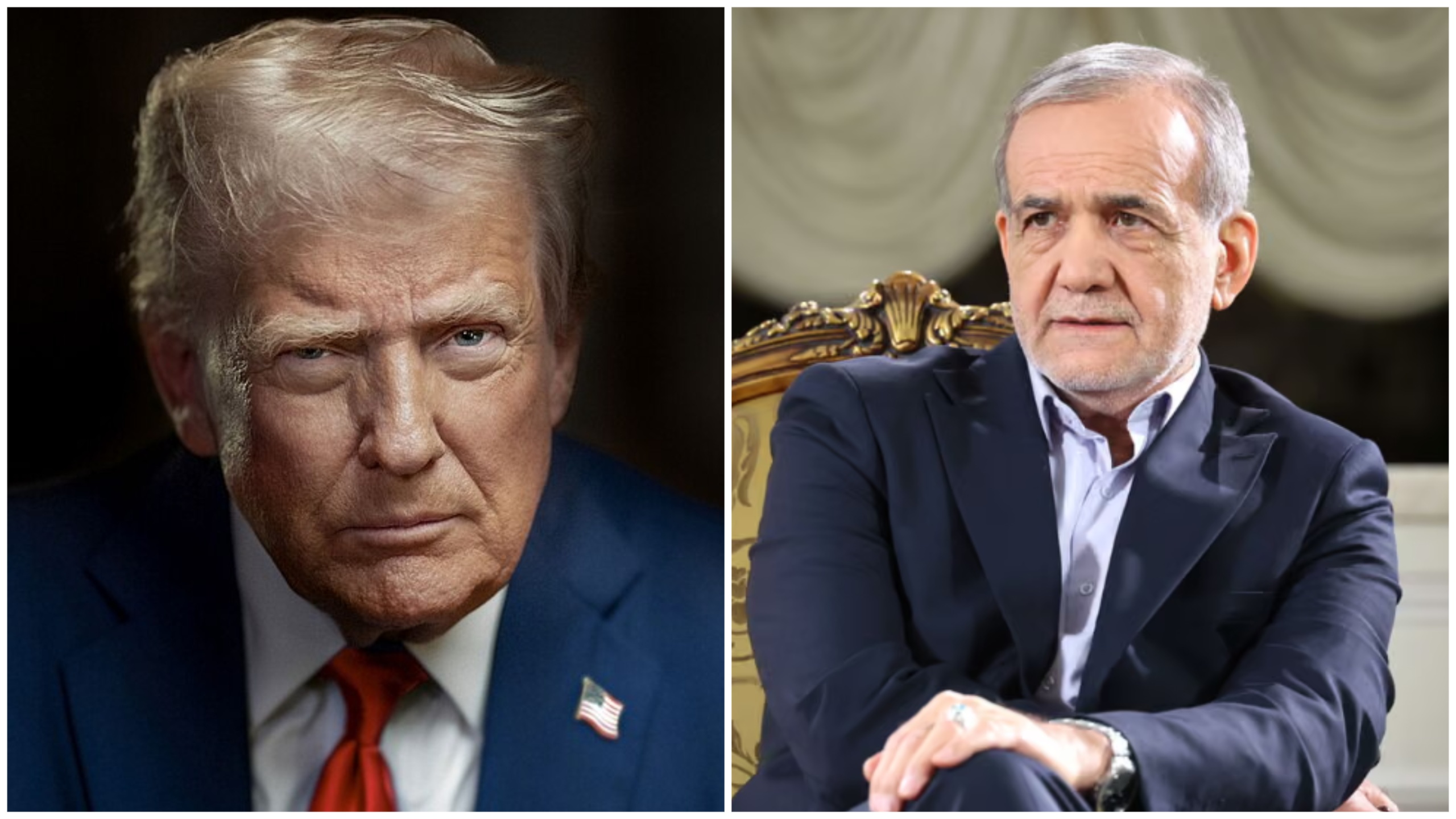
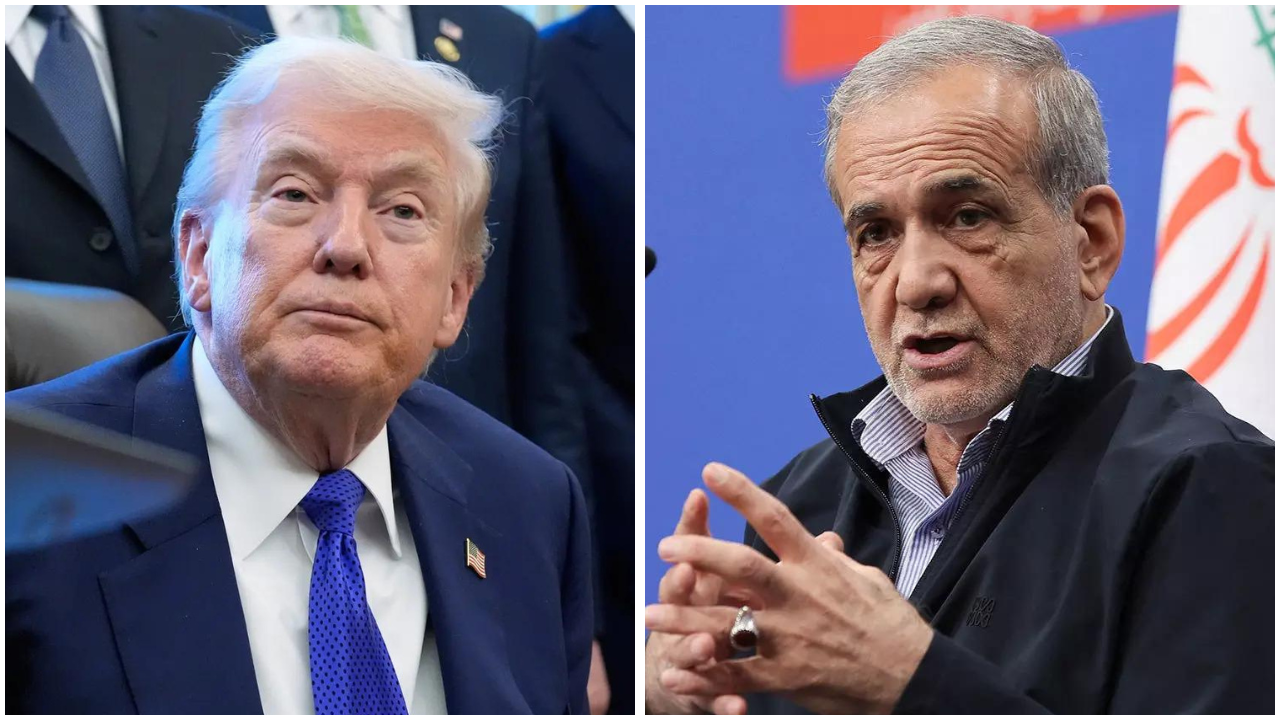
The world breathed a sigh of relief when the United States and Iran announced a peace deal last Friday. This agreement stopped a four-month war that the US and Israel had started against Iran. Four earlier attempts to reach an agreement failed. But this one will last 60 days at the start.
Ending the fighting comes with big responsibilities for both sides. The Strait of Hormuz, which Iran controlled, is now open for oil ships. The US has lifted its blockade against Iran. The US Treasury Department now allows the production, sale, and delivery of Iranian oil during this peace period, even to the US.
This deal, brokered by Qatar and Pakistan in Switzerland, is more than just a stop to missile attacks and trade freezes. The real challenge, in our view, is to create a solid plan for a final agreement in 60 days. This was made clear in the mediators' joint statement, which praised the steps taken so far.
The immediate effect of this agreement is the stabilization of the energy market. Crude oil prices have fallen to pre-conflict levels. Prices went from $118 per barrel at the height of the conflict to between $79 and $72.48 now. In the US, gasoline prices that rose to $5 per gallon are now about $3.93 per gallon. Other countries are also seeing gradual price drops.
About 20 percent of the world's oil passes through the Strait of Hormuz. The International Energy Agency (IEA) said that the blockade caused serious disruptions in the oil market. A maritime intelligence firm, Kpler, told the BBC that 284 ships passed through the Strait since June 18, carrying crude oil, Liquefied Natural Gas, and fertilizer. Before the conflict, 100 ships passed through daily, so the current situation is still worrying.
Iran has promised to stick to the deal and will not create or buy nuclear weapons. It will also dispose of its stockpiled enriched materials, following an agreement with the US. The International Atomic Energy Agency (IAEA) will supervise the down blending of these materials.
The US and its regional partners will develop a clear plan. There will be at least $300 billion given to Iran for rebuilding and economic growth after the war. This plan will be part of the final deal within the crucial 60 days.
We all hope this final deal is made soon. It is important for global economic stability, especially for Nigeria, where inflation has made life very difficult for many.
The peace deal also includes a ceasefire between Israel and Hezbollah in Southern Lebanon. Hezbollah got involved in the conflict after the killing of Iran’s Supreme Leader, Ayatollah Ali Khamenei, by an Israeli attack. Their issues run deep. Just a day after the US-Iran ceasefire, Israel’s military action led to the deaths of 67 people in Lebanon. They claimed to have found a new underground military base. Hezbollah retaliated, killing five people and promising to fight back against any Israeli expansion.
These are serious issues to worry about. But the mediators are aware of these concerns. They included a “De-confliction Cell” in the agreement to make sure both Israel and Hezbollah follow the peace rules.
Also, communication lines have been set up between the US and Iran to avoid misunderstandings during this time. This safety measure is very important.
Sadly, the US and Iran have already violated the agreement. They exchanged military strikes on each other's facilities from last Friday to Sunday.
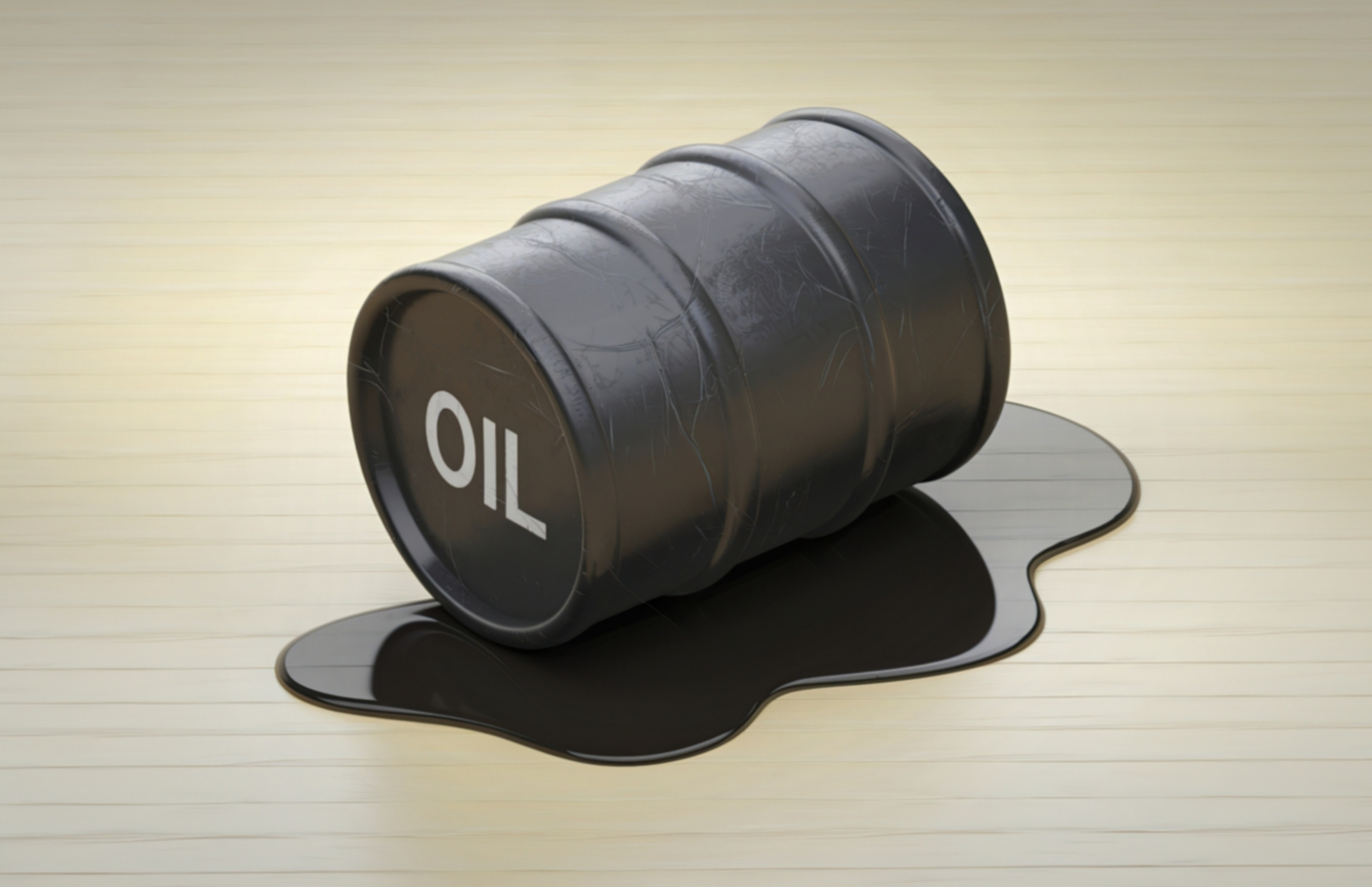
Experts in the oil sector are cautious about the current free flow of oil. They worry about oil stored in tanks and on ships from the past four months. If this stock runs out, supply issues might come back, especially as production has dropped due to the war.
Additionally, large oil facilities in the Gulf states were damaged during Iran’s retaliation against US military actions. These countries include Saudi Arabia, Qatar, Jordan, Oman, United Arab Emirates (UAE), Bahrain, and Kuwait. They were blamed for allowing US military bases in their regions. Repairing these facilities will take time.
After four months of violence and destruction, one big question remains: Why did President Trump start the costly and unsuccessful “Operation Epic Fury” when negotiations were still going on? The conflict has reportedly killed over 7,300 Iranians.
One of the big puzzles in today's world politics is how American foreign policy works. Many theories can be proposed, but one stands out: the influence of the Anglo-Zionist lobby on the decisions of the US.
Israel has often persuaded the US to support its regional goals and accept the consequences of its mistakes. This has led to a long-term strategy of conflict.
This military action has cost the US a lot of money. The Pentagon reported that $29 billion has been spent on the war. More funds would have been used if the ceasefire did not happen. Last week, the White House asked Congress for approval of $87.6 billion for urgent needs, even as lawmakers criticized Trump for the war.
The humanitarian issues caused by the war are serious, whether in Iran, Lebanon, or the Gulf region. “Nobody expected these attacks after we finished a third round of negotiations in Geneva,” said Alireza Salarian, Iran's ambassador to Cyprus, after the US missile strike on February 28.
Trump's sudden change of heart suggests that “all wars end on the negotiating table.” We hope this current search for peace can end the war and lead to a lasting agreement.
The return of UN Nuclear Inspectors to Iran, as part of the peace deal, will allow them to check facilities that Trump had claimed were “completely obliterated.” This should remind him of the importance of reason and common sense in politics.
Trump should set aside his ego and allow for peace, giving humanity a chance to breathe.



Comments
No comments yet.