US to Pull Out 200 Troops from Nigeria
The Nigerian military clarifies that the withdrawal of US troops does not indicate a failure in security cooperation. The partnership remains strong.
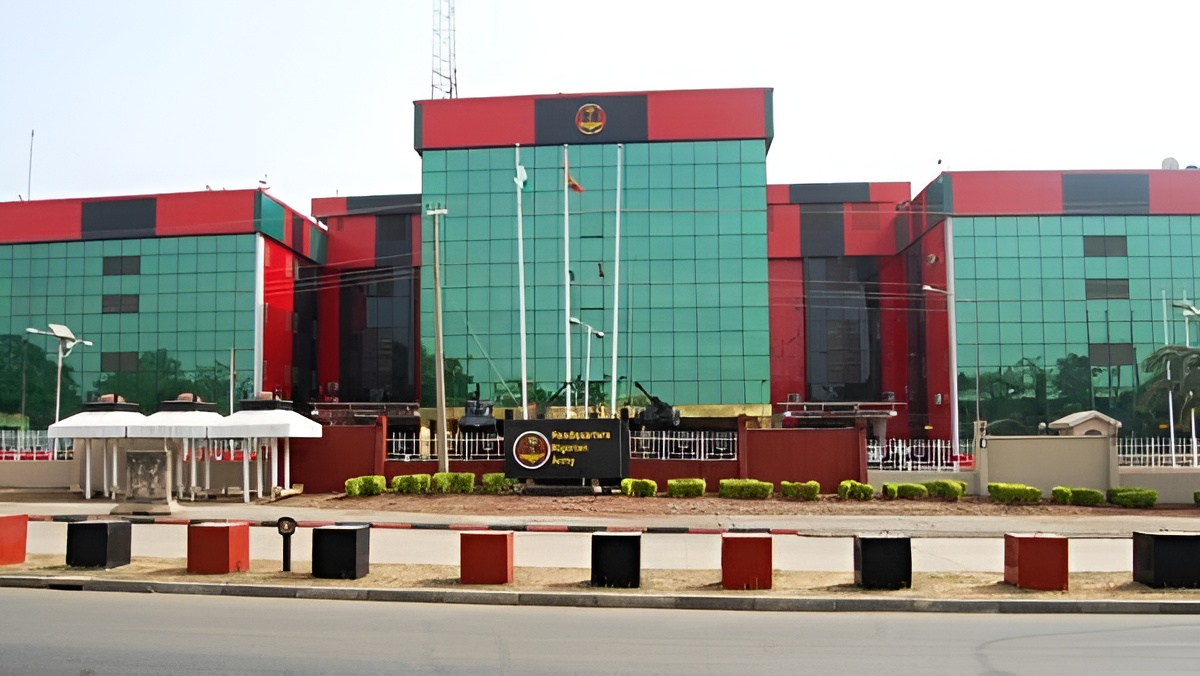
The Nigerian military has said that the planned pullout of US troops from Nigeria does not mean that the security cooperation between the two countries is failing.
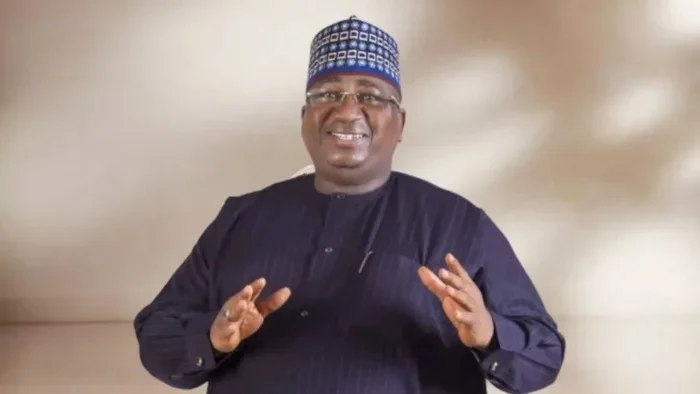
Samaila Uba, the spokesperson for the Defence Headquarters, spoke on Tuesday. He was responding to questions from journalists during a security briefing held by the National Counter Terrorism Centre (NCTC).
The military spokesperson mentioned that many journalists had asked for clarity on the situation. He said he had prepared a statement and would use this opportunity to share it.
Last week, The New York Times reported on the planned withdrawal. In July, PREMIUM TIMES reported that Dagvin Anderson, the commander of the United States Africa Command (AFRICOM), had said that “much of our forces” had been “withdrawn.”
Mr Anderson added, “They are continuing the partnership that Nigeria has asked for to help continue with the intelligence sharing and the understanding that’s necessary.”
Major General Uba described the withdrawal as a normal adjustment linked to specific operational objectives. He stressed that this does not mean the end of defence relations between Nigeria and the US.
“The Armed Forces of Nigeria wishes to clarify that the reported withdrawal of about 200 United States personnel should not be interpreted as a breakdown or termination of the Nigeria-United States security partnership,” Mr Uba said.
He noted that the defence relationship between Nigeria and the US is still “strong, enduring, and mutually beneficial.”
According to him, the presence of US personnel is tied to specific operational and counter-terrorism missions. The withdrawal is part of the changing nature of military cooperation.
He added that key parts of the partnership, like intelligence sharing, military training, and information exchange, are still ongoing.
“Our cooperation with the United States is designed to strengthen our capabilities through intelligence sharing, training, technical assistance, and other forms of professional military cooperation,” he said.
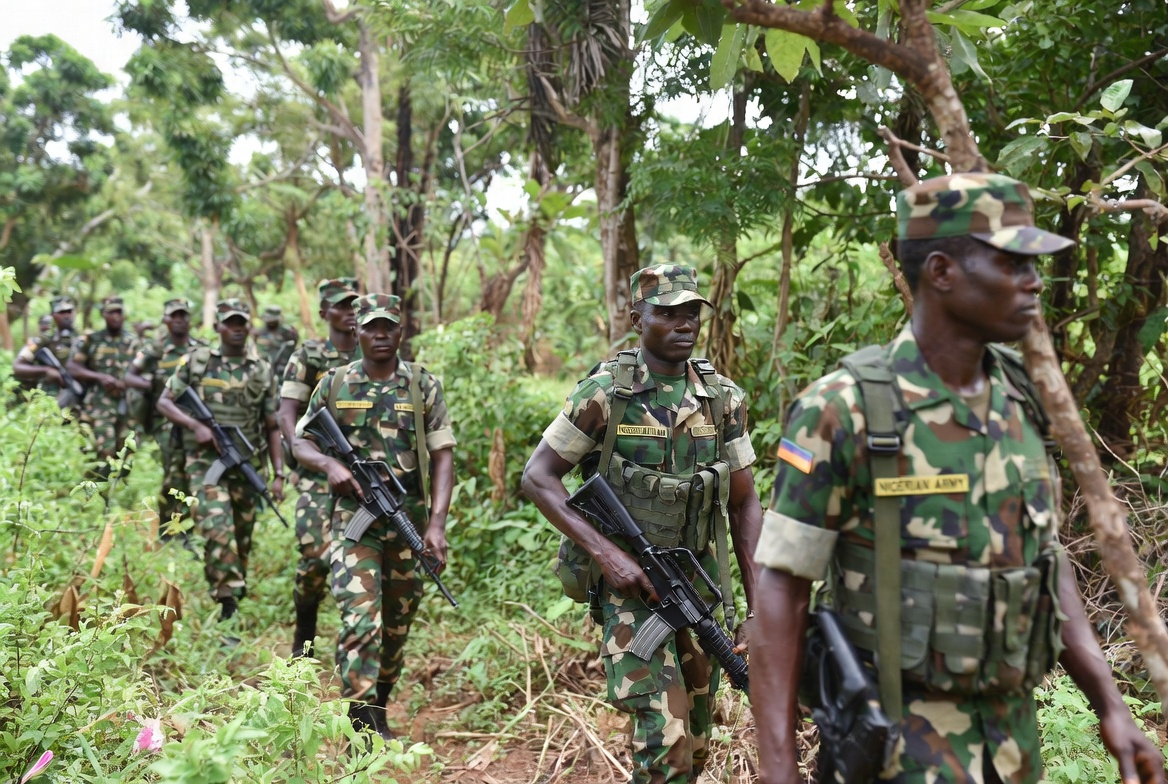
The military spokesperson reminded everyone that the primary responsibility for Nigeria's defense lies with Nigerian security forces. Foreign partnerships are meant to improve local capabilities.
He mentioned that the Nigeria-US security partnership has had positive results in fighting terrorism and other security threats. He assured that cooperation in areas of mutual interest would keep going.
Mr Uba also asked journalists and the public not to misinterpret the troop withdrawal.
“We equally call on the media and the Nigerian public to avoid interpreting a routine or mission-specific adjustment in foreign military presence as evidence of a collapse in Nigeria’s security cooperation or national defence capability,” he said.
The deployment of US troops began in early February with what the US called a “small team.” This followed an agreement between the US and the Nigerian government after an attack against suspected ISIS fighters, which US President Donald Trump said were targeting Christians.
The agreement was meant to boost efforts against terrorists in Nigeria. By mid-February, PREMIUM TIMES reported that around 200 US troops had been sent to north-east Nigeria.
While some Nigerians questioned the role of foreign forces in local security, military officials explained that US troops would not take part in direct combat.
At the time they were deployed, Mr Uba said the US troops would provide military education, intelligence sharing, logistics support, and strategic talks aimed at handling shared security issues, including terrorism and other threats.
Later on, the troops took part in a combat operation with Nigerian soldiers, killing a top commander of Islamic State West Africa Province (ISWAP) and other terrorists in the North-east.
The operations of the troops are believed to have been mainly focused on the North-east, especially in Borno State, which has suffered greatly from Boko Haram attacks.
Comments
No comments yet.