What Will Make Sidi Ould Tah Happy?
Sidi Ould Tah has begun to reshape the African Development Bank's funding strategies. The key question remains whether his plans will yield tangible results.
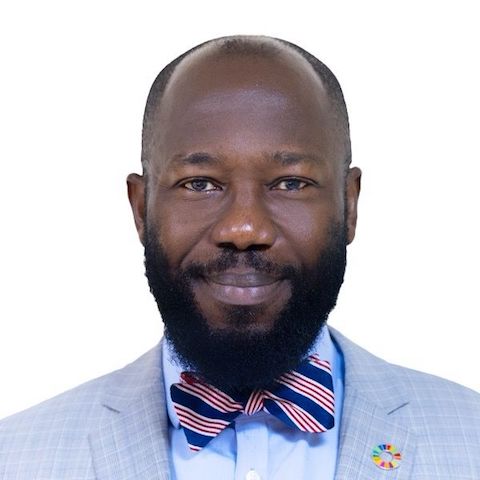
After a year in office, Sidi Ould Tah has started to change how the African Development Bank gets funds and plans projects. But delivering results is the bigger challenge.
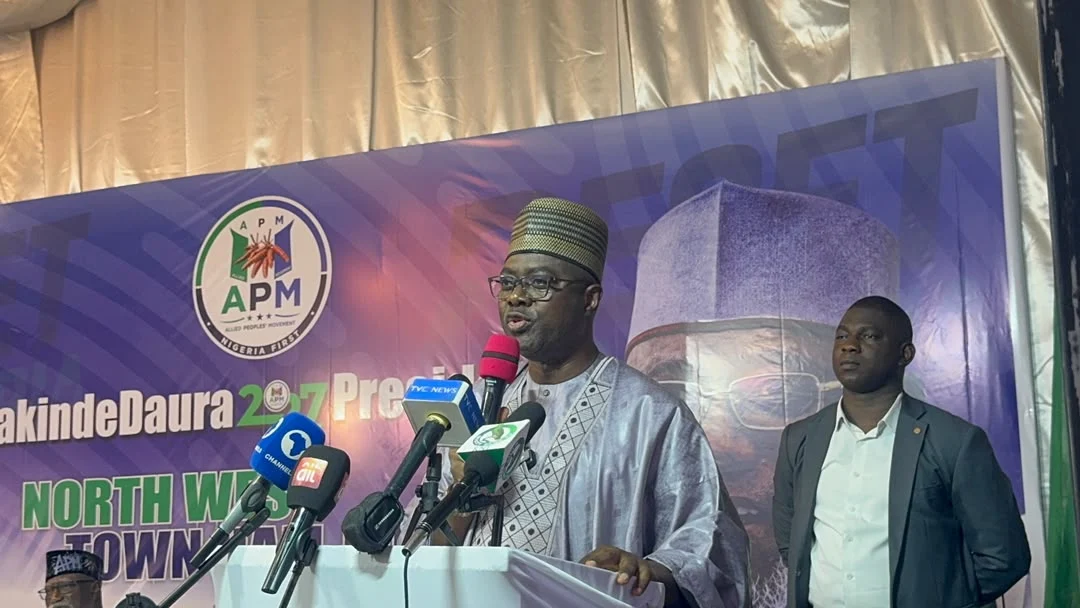
On 29 May 2025, not long after he was elected as the ninth president of the African Development Bank Group, Tah spoke to the Bank’s governors and guests at the Sofitel Abidjan Hôtel Ivoire. He showed little emotion. He thanked Africa, the Bank’s partners, and everyone in the room. He then said simply:
“Let’s go to work now, I’m ready!”
Three months later, on 1 September, he took office. Now, a year later, the big question is whether what he has done in his first year adds up to a solid plan for finance and delivery, and if that plan can bring results.
Tah took over a well-funded institution, with $318 billion in authorized capital and top credit ratings. Most of that capital is callable, which helps the Bank’s creditworthiness and lending ability, rather than being cash available for projects. Outside the Bank, the situation is more challenging. The Bank estimates an annual funding shortfall of $402.2 billion for transport, education, energy, and technology that boosts productivity until 2030. The total gap for financing the Sustainable Development Goals is even larger. S&P Global Ratings says that rated African countries will need to repay about $90 billion in external debt in 2026.
The Four Key Areas
The Bank’s Ten-Year Strategy for 2024, 33 is still its main focus. Within this, Tah’s Four Key Areas are unlocking Africa’s capital power, restoring financial independence, turning demographics into an advantage, and building strong infrastructure and competitive value chains. These areas set the immediate priorities and the basis for better choices. The Bank Governors approved them in May 2026.
The first year has shown the most success in capital mobilization and financial independence. The challenges are in demographics and infrastructure. Each year, between 12 million and 15 million young Africans join the workforce, but only about three million formal jobs are created. The demographic advantage will come from increasing productivity and creating secure jobs. The same goes for infrastructure, where resilience depends not on isolated projects but on connecting energy, transport, and digital systems to production areas and markets, and on the regional value chains those connections can support.
Funding With Consistency
Just over 100 days into Tah’s presidency, the seventeenth replenishment of the African Development Fund was completed. This Fund gives grants and concessional loans to 37 low-income and fragile countries and secured a record $11 billion for 2026, 28. This amount is 23 percent higher than the last round, but still short of the earlier $25 billion goal and without a pledge from the US.
Tah’s New African Financial Architecture for Development aims to change that situation into effective policies. It has united the continent’s top financial institutions around an 11-point Abidjan Consensus, adopted in April. This covers project preparation, domestic capital mobilization, risk-sharing, and institutional coordination. The first report on this implementation is due at the African Union’s meeting in October. It will show if the agreement is leading to actual projects.
The replenishment was an early success, based on efforts by governors, the Board, Bank staff, eligible countries, and partners. This work started before Tah’s term and continued through 2025, with him guiding the final tough phase to a successful conclusion. At the London meeting, 23 African countries promised $182.7 million, with 19 of them contributing for the first time. By May 2026, additional pledges had raised the number to 25, and the total to over $190 million.
These pledges will fund the Fund’s grants and concessional loans for 2026, 28. In addition, there are offers of up to $2 billion in co-financing from the OPEC Fund and up to $800 million from the Arab Bank for Economic Development in Africa.
Africa’s Own Capital
The 2026 African Economic Outlook says that Africa’s banks, pension funds, insurers, sovereign wealth funds, and central banks hold assets worth over $4 trillion. Yet, these institutional investors put less than 2.7 percent of their assets into infrastructure and other productive sectors in Africa.

These assets belong to pensioners, policyholders, depositors, governments, and other investors. Their managers must follow rules on risk, return, liquidity, and allowed holdings. Just asking them to invest more will not open the door to fund roads, power plants, or factories. Projects must be well-prepared, commercially viable, and shielded from risks that investors cannot bear. Smaller projects often need to be grouped together before they can attract institutional money.
Tah’s New African Financial Architecture for Development is trying to change this situation into effective policies. It has united the continent’s leading financial institutions around an 11-point Abidjan Consensus, adopted in April. This covers project preparation, domestic capital mobilization, risk-sharing, and institutional coordination. The first report on this implementation is due at the African Union’s meeting in October. It will show if the agreement is leading to actual projects.
The Bank’s investment in African Trade and Investment Development Insurance, or ATIDI, is a clear example of this approach. On 22 May, the Board approved up to $125 million in equity. By July, ATIDI reported that the Bank’s participation had grown fivefold, making it the insurer’s largest institutional shareholder. Tah wants this support to raise ATIDI’s annual guarantee capacity from about $3 billion to $10 billion.
Guarantees are important because they cover a portion of losses from political or credit risks that investors cannot handle alone. They won’t save a bad project, but they can make a good one investable. This allows a bank to lend, a pension fund to take part, and a project to reach financial closure. The Bank’s bigger investment in ATIDI is now set; its value will be measured by the additional guarantees issued, private capital brought in, and viable projects financed.
From Ideas to Action
Africa50 shows the behind-the-scenes work needed before capital can be put to use. The Alliance for Green Infrastructure in Africa Project Development Fund started before Tah’s presidency and reached its first close in August 2025. A year later, Italy’s Cassa Depositi e Prestiti and France’s Proparco added another $50 million. The fund is looking for $400 million for feasibility studies, design, and structuring transactions, hoping to build a pipeline of up to $10 billion in bankable green-infrastructure projects.
In other news, three recent approvals span skills training, digital connectivity, and industrial production. In Ghana, a $71.55 million grant aims to train 28,000 people and create about the same number of direct and indirect jobs in four years. In Nigeria, a $200 million Bank loan for Project BRIDGE is part of an $800 million sovereign package in a larger public-private financing plan estimated at $2 billion. This project will lay 90,000km of open-access fibre, connect all 774 local government areas, and establish cross-border links with Benin, Cameroon, Niger, and Chad. In Morocco, the Bank approved a €100 million loan for an integrated battery plant and will try to arrange up to €141 million more. Their value will depend on the training, connections, local production, and jobs they create.
The Bank’s Efforts
The same test applies within the Bank, where Tah’s proposed reform of the operating model is more than just administrative work. The promise of a more agile institution, closer to member countries and the people it serves, will not matter unless authority and responsibility for delivery go hand in hand with it. Decisions need to be made closer to countries, and private capital must be engaged during project design rather than after approval.
The Bank’s evaluations show why this is important. A 2025 review found that a decade of decentralization achieved only 53 percent of its intended outcomes, with shortfalls in authority, staffing, and processes. A later study found that the selectivity framework changed how projects were described rather than what the Bank financed, partly because staff were still rewarded for volume and approvals.
Reform will only matter if projects are prepared and procured faster, first payments come sooner, portfolio performance improves, and every dollar of Bank investment attracts more outside capital. Publishing these measures regularly would allow governors, investors, and citizens to judge reform based on real results rather than promises or announcements.
The Outcome
The success will be measured when electricity reaches homes and keeps factories running, when fibre connects small businesses to bigger markets, when African minerals are processed on the continent before export, when pension funds earn returns from African assets, and when young people find reliable jobs in the industries these investments create.
One year is too soon to measure satisfaction, but it is long enough to assess the direction. Tah has started to connect capital mobilization, risk-sharing, project preparation, and internal reform. The results may deserve a cautious smile, but true satisfaction must wait for delivery.


Comments
No comments yet.