Why High Cholesterol is Often Missed But Can Be Dangerous
High cholesterol is a major risk for heart diseases and often shows no symptoms. Regular check-ups are essential to catch it early and prevent serious health issues.
Many people only find out they have high blood pressure or high blood sugar when they fall sick. But there is another serious health risk that often goes unnoticed because it rarely shows warning signs until big problems arise.
High cholesterol is a major risk factor for heart diseases, including heart attacks and strokes. Because it usually has no symptoms, many people might be living with dangerously high cholesterol levels without knowing.
The World Health Organisation (WHO) says high cholesterol is a big risk for heart diseases, especially heart attacks and strokes.
The organisation states that cutting down on saturated fats, avoiding industrial trans fats, eating a healthy diet, staying active, and not using tobacco can help lower the risk of heart diseases.
The WHO also mentions that heart diseases are the leading cause of death worldwide, leading to about 17.9 million deaths each year.
The Centres for Disease Control and Prevention (CDC) says high cholesterol often shows no symptoms, making regular check-ups very important. Many people only discover they have high cholesterol after getting heart disease or having a stroke.
Even though high cholesterol is often linked with older people, health experts warn that changing lifestyles, unhealthy diets, and not exercising are increasing risks among younger individuals.
To understand more about the hidden dangers of high cholesterol, PT HEALTH WATCH spoke with Dr. Happiness Akinde, a medical doctor. They discussed who is most at risk, why regular check-ups matter, and daily habits that could quietly raise cholesterol levels.
Who is most at risk?
Mrs Akinde said anyone can get high cholesterol, but some groups are at much higher risk.
She mentioned people over 40, those who are overweight or obese, and individuals with diabetes, high blood pressure, or kidney disease.
People with a family history of high cholesterol or early heart disease are also more likely to have the condition.
She added that smoking and drinking too much alcohol also increase the risk.
“Particularly in Nigeria, the rising consumption of processed foods and more sedentary lifestyles have led to more cases of high cholesterol, even among younger adults,” she said.
Why screening matters
Mrs Akinde explained that many people think they would know if their cholesterol levels were high.
But she said high cholesterol is often called a “silent condition” because it usually does not show symptoms.
“A person may feel perfectly fine while cholesterol builds up in the arteries over many years. Many only find out they have high cholesterol after experiencing serious issues like a heart attack or stroke,” she said.
Because of this, she stressed the need for regular cholesterol screenings.
She advised that healthy adults should have their cholesterol checked at least once between ages 20 and 35, especially if they have risk factors.
After age 40, she said cholesterol checks should generally happen every four to six years, or more often for people with diabetes, high blood pressure, obesity, smokers, or those with a family history of heart disease.
Those already diagnosed with high cholesterol should follow their doctor’s advice for more frequent checks.
Health risks
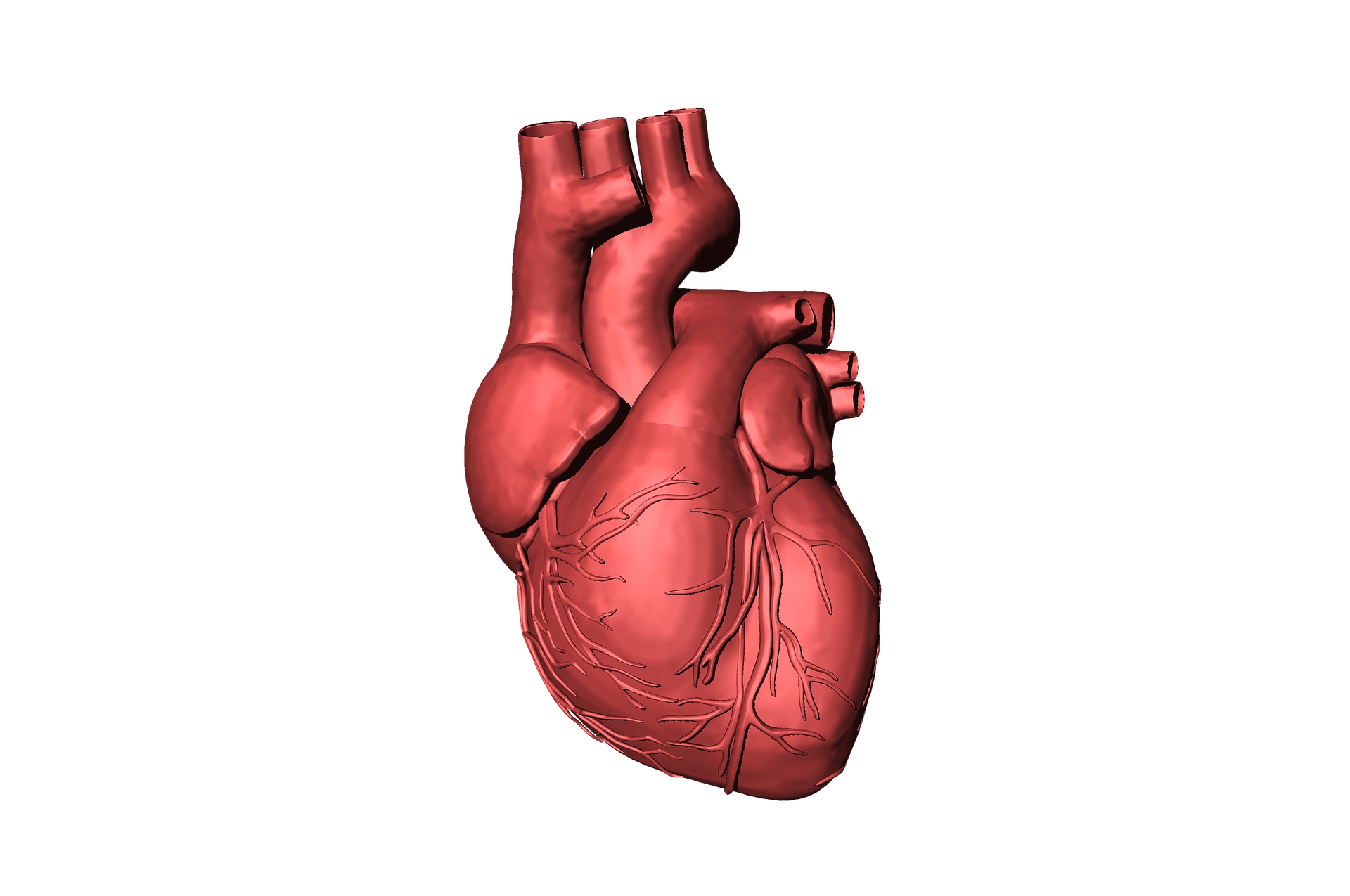

Mrs Akinde explained that too much cholesterol builds up in blood vessels, creating plaques that narrow and harden the arteries. This process is called atherosclerosis.
She said reduced blood flow to the heart can cause chest pain or a heart attack, while reduced blood flow to the brain can lead to a stroke.
She added that high cholesterol also raises the risk of peripheral artery disease, which reduces blood flow to the legs, causing pain and slow wound healing.
Everyday habits that raise cholesterol
Mrs Akinde pointed out several everyday habits that lead to high cholesterol.
These include eating a lot of fried foods, fast foods, pastries, processed meats, and foods high in saturated or trans fats. Physical inactivity, smoking, drinking too much alcohol, and being overweight also contribute.
She encouraged Nigerians to eat healthier by including more vegetables, fruits, beans, lentils, whole grains, and fish when possible.
She also suggested cooking methods like boiling, grilling, steaming, or baking instead of deep frying, while cutting down on fatty meats, processed foods, and sugary drinks.
In addition to diet, she advised adults to get at least 150 minutes of moderate exercise, like brisk walking, every week. Maintaining a healthy weight, avoiding smoking, and limiting alcohol intake are also important.
She pointed out that healthy eating does not have to be expensive.
“Locally available foods like beans, vegetables such as ugwu and efo, okra, garden eggs, sweet potatoes, oats, and fresh fruits can help support heart health,” she said.
The danger of reusing cooking oil
Mrs Akinde also warned against reheating cooking oil many times, a common practice in many homes and roadside food spots.
She explained that every time cooking oil is heated to high temperatures, it breaks down and creates harmful compounds, including oxidised fats, which can cause inflammation and increase the risk of heart disease.
She advised that cooking oil should be thrown away once it becomes dark, thick, smells bad, smokes excessively, or foams when heated.
“Ideally, deep frying oil should not be reused many times, especially after high-heat frying,” she said.
Know your numbers
Mrs Akinde urged Nigerians not to wait for symptoms before checking their heart health.
She advised everyone to know their health numbers by regularly checking their blood pressure, cholesterol, blood sugar, and weight, even if they feel fine. Maintaining a balanced diet and being active is also key.
Additionally, she encouraged people to avoid smoking and go for regular medical check-ups. Small, consistent lifestyle changes can help prevent heart attacks and strokes.
“High cholesterol is silent, but its problems are not. Get tested, eat wisely, stay active, and take care of your heart.”






Comments
No comments yet.