Yahaya and Dankwambo Set for a Major Senate Battle
Governor Muhammadu Yahaya and Senator Ibrahim Dankwambo are set for a fierce contest for the Gombe North Senate seat in 2027, highlighting their long-standing rivalry.
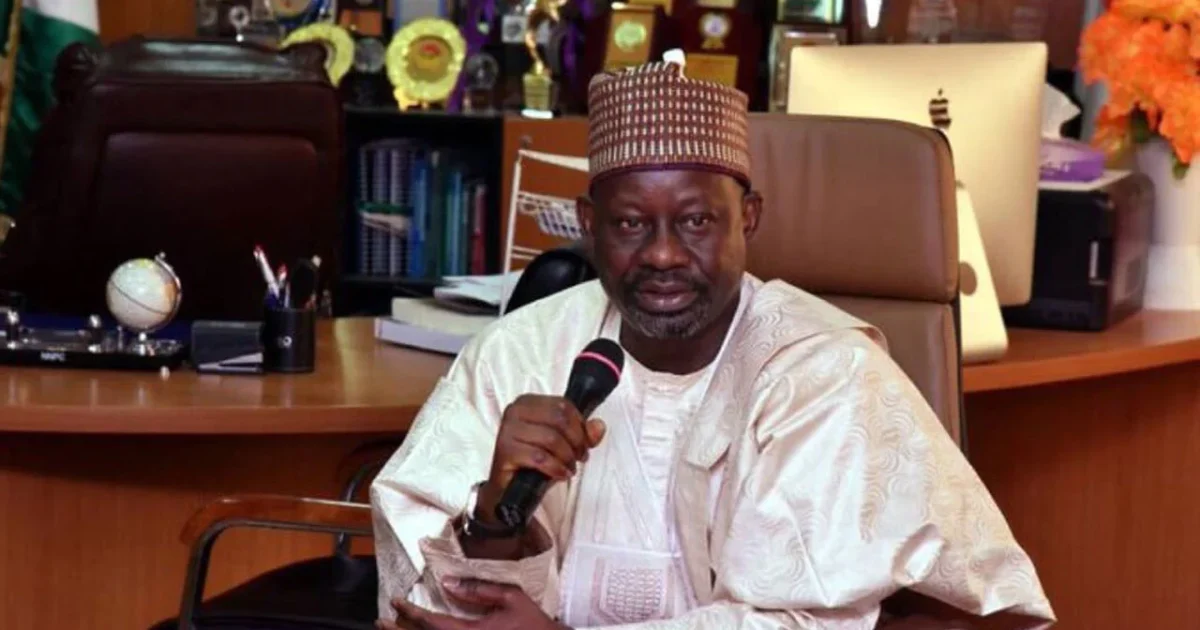
Two well-known names are in the spotlight. As Governor Muhammadu Yahaya completes his second term, he and Senator Ibrahim Dankwambo are gearing up for a fierce contest for the Gombe North Senate seat in 2027. Their rivalry, which has lasted over a decade, now moves from the Government House to the Senate chamber.
For more than fifteen years, Gombe State politics has been shaped by a small group of influential politicians. Their ambitions and rivalries have greatly influenced the state's political path. Among these politicians, the ongoing contest between Senator Ibrahim Hassan Dankwambo and Governor Muhammadu Inuwa Yahaya stands out. Their rivalry started with a fight for control of the Gombe State Government House. Now, it is shifting to the legislative side, where both men are preparing for a significant battle over the Gombe North Senatorial District seat in the 2027 elections.
The upcoming contest has sparked intense discussions across Gombe State. It features two experienced politicians whose political journeys are closely linked. Unlike many electoral battles, the fight between Dankwambo and Yahaya is rooted in years of political rivalry, changing alliances, and personal ambitions. This election is expected to attract national attention as it pits an incumbent senator and former governor against a sitting governor who is finishing his second and final term.
The stakes of this contest go beyond just a Senate seat. Many political watchers see it as a fight for relevance after 2027. The result could decide which political group holds more power in the future of Gombe State politics. It may also answer larger questions about the strength of political incumbency and the ability of opposition figures to stay relevant in states dominated by ruling parties.
To grasp the importance of this contest, we need to look at the political paths of both men and the events that led them here. Senator Ibrahim Dankwambo is one of Gombe State's most accomplished public servants. Before joining politics, he had a respected career in public finance. He served as Accountant-General of Gombe State and later became Accountant-General of the Federation, a key role in Nigeria’s financial management. This position helped build his reputation as a skilled technocrat.
When Dankwambo entered party politics, he quickly became a strong political player. He won the governorship election in 2011 and led Gombe State for two terms until 2019. He built a powerful political network that still holds weight today. Supporters describe him as a leader with national connections and strong administrative skills. Even after leaving office, he kept a significant political presence in the state.
Governor Muhammadu Yahaya took a different political route. He came from the political circle around former Governor Danjuma Goje and served as Commissioner for Finance during Goje’s time. For years, Yahaya was seen as a leading figure in that political family. He was expected to play a big role in the state’s leadership. But things changed in 2011 when the governorship succession issue changed his political course and led to a clash with Dankwambo.
This rivalry started in the last months of Goje’s administration. Many believed Yahaya would be endorsed by Goje as the next governor. Instead, Goje shocked many by backing Dankwambo, who was then Accountant-General of the Federation. This decision switched the political fortunes of both men. Dankwambo got the governorship ticket and won the election, while Yahaya had to pursue his ambitions outside the Government House. What began as a succession dispute turned into one of the longest political rivalries in Gombe’s history.
Ironically, the alliance between Goje and Dankwambo did not last through Dankwambo’s term. As political situations changed, disagreements arose over influence, succession, and party control. Their relationship fell apart, leading to a split among political stakeholders and changing Gombe State’s political landscape. During this time, Yahaya gained Goje as a new ally, forming a strong opposition against Dankwambo and shifting the political dynamics.
The impact of this political shift was clear in the 2015 governorship election. Yahaya ran as the APC candidate and challenged the sitting governor. While Dankwambo won re-election, the election showed Yahaya's rising political strength and marked him as a key challenger to Dankwambo’s influence. Many viewed this election as one of the fiercest in Gombe’s history and the moment their rivalry became a central part of Gombe politics.
Analysts, including political commentator Philip Danladi, see the 2015 election as the point when Gombe politics became centered around two main political factions led by Dankwambo and Yahaya. Even today, many of the state's political alignments trace back to loyalties formed during that time. The election revealed that Yahaya had the organizational skills and appeal to challenge an incumbent despite the advantages of those in power.
“The rivalry intensified in 2019 when Yahaya made a significant political gain. With Dankwambo unable to run for a third term, the PDP chose Senator Usman Bayero Nafada as its candidate. Yahaya, running under the APC banner, won and became the governor of Gombe State. This win was not just a personal achievement but also a major shift in the state’s political balance,” Danladi said.
Yahaya’s rise to governor changed the political landscape of Gombe. The APC gained strength and influence in elections. By the time of the 2023 elections, the party became the leading political force in the state. Yahaya further solidified his influence by winning a second term against PDP candidate Muhammad Jibrin Barde. The APC also controlled most major elective positions in the state, reinforcing its dominance.
Danladi noted that despite the APC's strength, Dankwambo remained relevant. His win in the 2023 Gombe North Senate election showed he still had strong support in the district. Beating former Minister of Transportation Saidu Alkali allowed Dankwambo to return to office and re-establish himself as the main opposition figure in Gombe. For many locals, this result showed that personal political networks can thrive even when a ruling party holds significant advantages.
Since returning to the Senate, Dankwambo’s performance has drawn mixed reviews. Some critics say he has kept a lower profile than expected. Some in Gombe North have pointed out that the senator has not been as visible among his constituents since his election. These concerns have come up in various political talks across Dukku, Funakaye, Kwami, Nafada, and Gombe local government areas.
But his supporters strongly disagree. They argue that being visible shouldn’t be confused with effectiveness. Many in Dankwambo’s camp say he has continued to support and empower constituents without seeking much publicity. They believe his political style focuses on substance rather than show. As the 2027 elections draw near, this debate about visibility and engagement will likely shape public views on his performance.
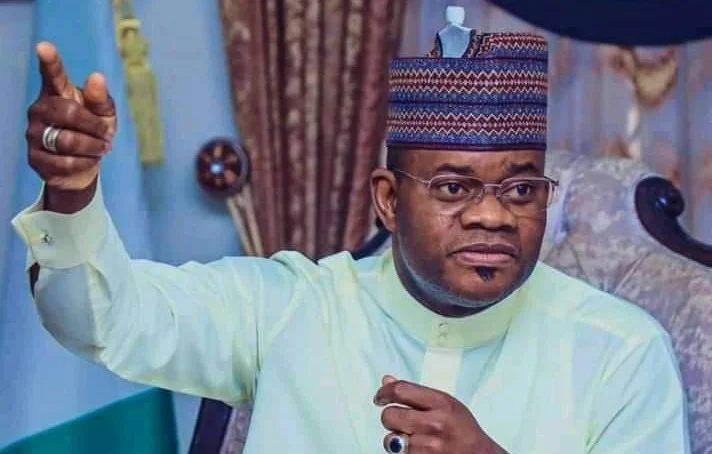
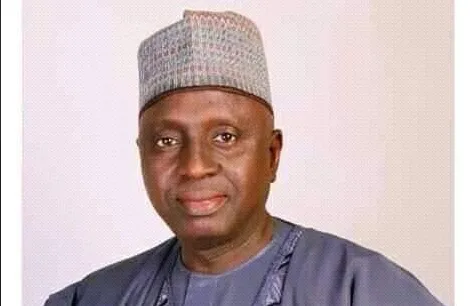
Political analyst Adams Shehu has often pointed out that success in Nigerian elections relies not just on performance but also on public perception. In this respect, both candidates face significant challenges. Dankwambo needs to show voters that his quieter political style doesn’t mean he is disengaged. Meanwhile, Yahaya must convince voters that his move from Government House to the Senate is about continuing public service, not just trying to stay relevant after leaving office.
“As the race nears, Governor Yahaya comes in with several key advantages. The most obvious is the power of incumbency. Even though he is not seeking another term as governor, he remains the state’s chief executive until his tenure ends. This position gives him visibility, institutional influence, and chances to strengthen ties with stakeholders in the district. Many believe Yahaya will use the rest of his time in office to build political alliances, address concerns from supporters, and boost his influence in areas where the APC is seen as weaker,” Shehu added.
Another key advantage is the strength of the APC structure. Political analyst Buba Garko has noted that parties often gain strength from their ability to organize supporters through established networks. In Gombe, the APC has strong organizational capacity, controlling key offices and being present at all levels of government. Such structures can be very helpful during elections, especially in competitive situations.
“Yahaya’s supporters also highlight infrastructure projects from his administration. Road construction, urban renewal, education investments, and pension-related actions are mentioned as successes that could enhance his appeal to voters. Whether these efforts will translate into votes is uncertain, but they provide material for his campaign message,” Garko added.
Yet, Yahaya has his challenges too. Some APC members have raised concerns about access to government and involvement in political decisions. Critics argue that loyal party members have not been recognized enough for their roles in past victories. These issues are common in ruling parties, but unresolved tensions can affect mobilization efforts in elections.
Garko noted that for Dankwambo, one of his biggest strengths is his enduring political network. Years after leaving Government House, he still enjoys loyalty from many political players. His supporters often cite his qualifications, experience, and broad network as proof of his ongoing relevance. Unlike many former governors who struggle to stay active, Dankwambo has maintained a significant presence in state politics.
Political alliances will be crucial in determining the contest's outcome. Elections in Nigeria are rarely won based on individual popularity alone. They are often swayed by networks of supporters, local leaders, party officials, and community figures. Both Dankwambo and Yahaya have built extensive political structures over many years. The effectiveness of these competing networks may be more important than campaign slogans or media stories.
The influence of former Governor Danjuma Goje is another key factor. Though he currently represents Gombe Central Senatorial District, his political legacy still impacts state politics. Many believe his connections with important stakeholders across different political groups could influence the political climate as 2027 approaches. Whether his influence will help any specific candidate is uncertain, but his presence in Gombe politics is widely acknowledged.
As the campaign season kicks off, discussions about federal political influence are likely to grow. Various political figures have ties to national leaders within both major parties. Yet history shows that endorsements alone do not ensure electoral success. Ultimately, voters decide elections, and local political realities often outweigh outside influences. While national alliances can provide strategic benefits, they cannot replace effective grassroots mobilization.
Political analyst Ben Ngwakwe recently noted that the 2027 contest could be one of the most closely watched senate races in northern Nigeria. This is due to the two politicians’ significant experience, established support, and proven electoral track records. Unlike many elections where one candidate has a clear edge, the Gombe North contest appears quite balanced.
“Both candidates have realistic paths to victory. Yahaya will aim to capitalize on the APC’s organizational strength, his record as governor, and the advantages of incumbency. On the other hand, Dankwambo will seek to build on the coalition that helped him win in 2023 while showcasing his experience and public service record. In this context, voter turnout, campaign effectiveness, and local political dynamics could be the deciding factors,” Ngwakwe said.
For many in Gombe North, this election is about more than just picking a senator. It represents the latest chapter in a long-standing political rivalry that has influenced governance and political alignments for over fifteen years. This contest showcases competing leadership visions, different political traditions, and contrasting public service approaches.
“Whatever the result, this election will likely have lasting effects on Gombe politics. A win for Yahaya would strengthen the APC’s hold and position him as a key figure in the post-governorship phase. A win for Dankwambo would reaffirm the relevance of opposition politics and show the lasting power of personal political networks,” he added.
In the end, the expected clash between Senator Ibrahim Hassan Dankwambo and Governor Muhammadu Yahaya is not just a fight between two individuals. It is a battle between two political legacies, two influence networks, and two leadership visions that have shaped Gombe State for over a decade. As 2027 draws nearer, voters in Gombe, Kwami, Dukku, Funakaye, and Nafada will decide which of these important figures will represent them in the Senate and which political group will have more influence over the state’s future.
Comments
No comments yet.