2027 Elections: Women Candidates Make Up Less Than 10%
Only 123 women are among 1,303 Senate candidates for the 2027 elections in Nigeria, making up just 9.44%. This reflects a long-standing issue of women's representation in politics.
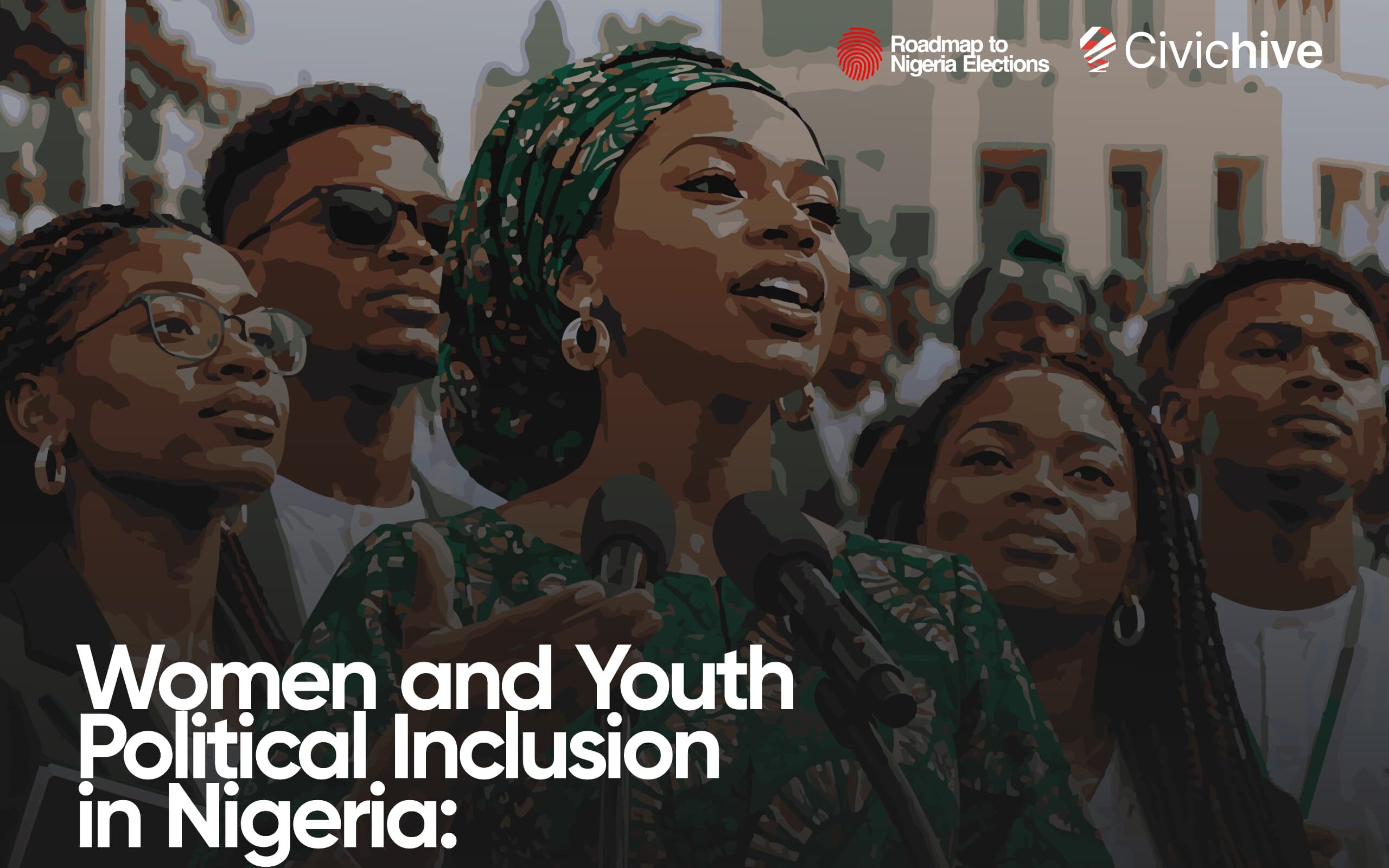
Only 123 out of 1,303 candidates running for Senate seats in the 2027 general elections are women. This is just 9.44 per cent, according to a new report by CivicHive.
The report, titled Women and Youth Political Inclusion in Nigeria: A Candidate Analysis of the 2027 General Elections, looked at candidates from 22 registered political parties for the Senate.
While the report did not include the percentage of women running for seats in the House of Representatives, it did analyze the youth representation in candidates for both the National Assembly and state Houses of Assembly.
The report states that women also make up only 10 per cent of those contesting state House of Assembly seats across Nigeria.
Arafat Oseni, who is CivicHive’s programs and communications associate, shared the report with PREMIUM TIMES on Monday.
The numbers show that men represent more than 90 per cent of candidates aiming for Senate seats across the 36 states and the Federal Capital Territory.
Four states, Jigawa, Nasarawa, Niger, and Yobe, have no female candidates for Senate from any political party, according to the report.
Among the 123 women running for Senate seats, only 34 are aged 40 or younger. The report also noted there are no female candidates aged 40 or younger in Borno, Katsina, and Yobe.
Women’s Representation in the Legislature
These figures highlight the low number of women in Nigeria’s legislature, a problem that has lasted since the return to democracy in 1999.
Data from the Inter-Parliamentary Union (IPU) shows that women held 3.4 per cent of seats in the House of Representatives in 1999. This increased to seven per cent in 2007 but dropped to 3.9 per cent after the 2023 elections.
In the Senate, women held just 2.8 per cent of seats after the 2023 elections. The latest figures from the IPU show that women now occupy 4.2 per cent of the House of Representatives and 3.7 per cent of the Senate.
The low numbers continue despite many campaigns pushing for more women in politics.
CivicHive said the low representation is partly due to high nomination fees, unclear party primaries, and patronage systems that benefit older, male-dominated political networks.
In June, PREMIUM TIMES reported that gender rights activists and electoral experts pointed out costly nomination forms, consensus arrangements, and weak party primary regulations as challenges for female candidates ahead of the 2027 elections.
They also expressed worries about parts of the Electoral Act 2026 that give political parties too much power in organizing their primaries. This could lead to manipulation of membership lists and screening processes.
Some female candidates who meet party criteria also face pressure to step down or miss out due to consensus arrangements, the activists said.
Reserved Seats Bill
The renewed discussion about women’s political representation has brought attention to the proposed Women’s Reserved Seats Bill.
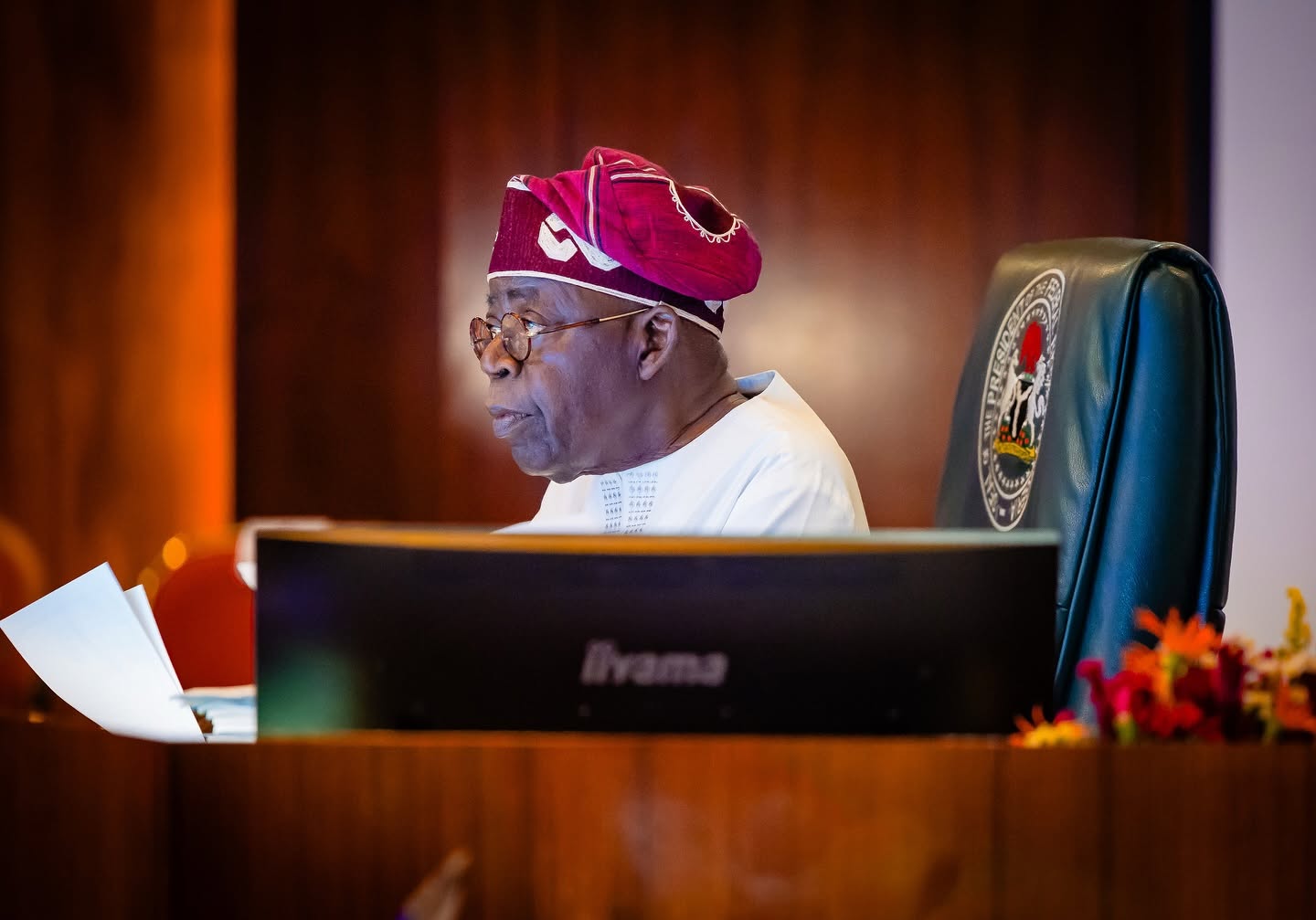
President Bola Tinubu promised in October to support the proposed constitutional amendment that aims to create extra seats for women in the National Assembly and state legislatures.
The proposal includes 37 additional seats for women in the Senate and another 37 in the House of Representatives. It also aims for three extra seats for women in each state House of Assembly.
This plan is set to run for 16 years, covering four election cycles, before a review.

However, the bill still needs to finish the constitutional amendment process. It must get the necessary legislative approvals and ratification from state Houses of Assembly before it can become law.
Youth Participation
The CivicHive report also found that young people make up about 35 per cent of candidates running for seats in the House of Representatives.
Out of 3,560 candidates for the House of Representatives, 1,244, or 34.94 per cent, are aged 40 or younger. Of these, 758, or 60.9 per cent, are between 35 and 40 years old, while only 17 candidates nationwide are aged 25, which is the minimum constitutional age for running for the House.
The report also showed that young women are not well represented among major political parties' candidates. The All Progressives Congress (APC) only fielded one young female candidate, Chiamaka Isaac-Ojo, across the 360 federal constituencies. The Peoples Democratic Party (PDP) nominated eight, while the African Democratic Congress (ADC) did not have any.
CivicHive defines young people as those aged 40 or younger, which is broader than the age limits set by the Not Too Young To Run constitutional amendment.
This amendment, signed into law by former President Muhammadu Buhari in May 2018, lowered the minimum age for presidential candidates from 40 to 35 and for House of Representatives and state assembly candidates from 30 to 25.
State Assemblies
Young people make up 45.44 per cent of candidates running for seats in state Houses of Assembly, the highest percentage among the three legislative groups examined by CivicHive.
Of the 9,802 candidates for assembly seats, 4,454 are aged 40 or younger. Women represent 10.3 per cent, or 1,010 candidates.
Among female candidates, 529, or 52.38 per cent, are aged 40 or younger.
Yobe has the highest percentage of young assembly candidates at 72.77 per cent, but it only has three female candidates, making up 1.41 per cent.
Kwara, Osun, and Ekiti have the highest female representation among state assembly candidates, with 21.59 per cent, 21.29 per cent, and 21.14 per cent, respectively.
CivicHive’s Recommendations
Joseph Amenaghawon, CivicHive’s head, said young Nigerians have shown they can lead, citing former Head of State Yakubu Gowon, who became head of state at 32.
He pointed out that smaller and new political parties seem to offer more chances to women and young people than the major parties.
CivicHive urged political parties to lower nomination fees, provide financial support for female candidates, and introduce mentorship and leadership programs.
It also called for measures to help people with disabilities seeking office.
The organization recommended quotas for women, young people, and people with disabilities. They also want political parties to publicly share their candidate lists before primaries.
CivicHive said women, young people, and people with disabilities should not only be encouraged to run for elections but also have a fair chance to get party tickets, win elections, and take part in governance.
Comments
No comments yet.