African Union's Return to Khartoum: A Step Towards Peace in Sudan?
The African Union's return to Sudan marks a renewed commitment to peace. This move aims to strengthen communication and support amid ongoing conflict.
The African Union (AU) has decided to reopen its office in Sudan. This shows that it is serious about ending the conflict that has affected the country for over three years. It also means the AU does not want to give up its role to outside groups.
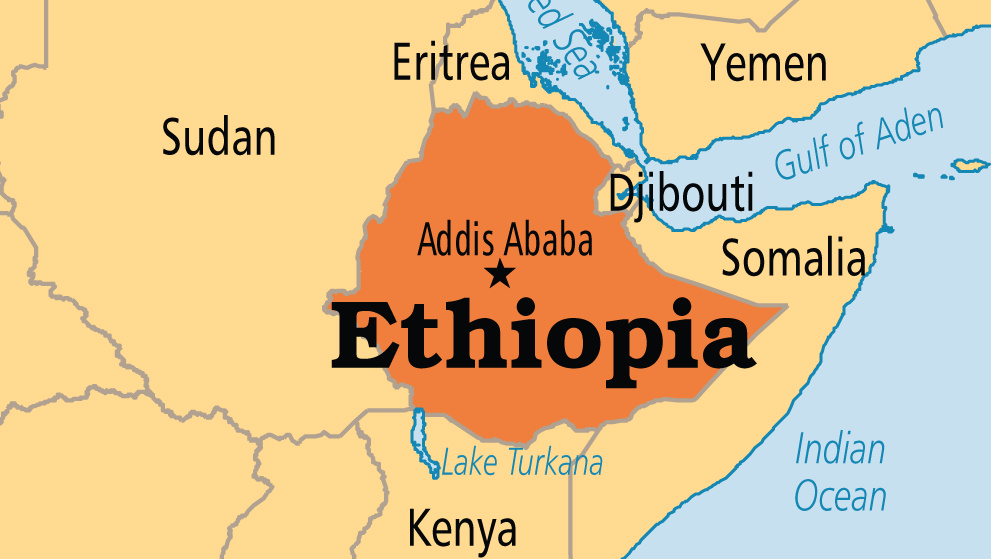
In April 2023, the AU and several international organizations pulled out their staff when fighting broke out in Khartoum. AU workers moved to their headquarters in Addis Ababa. Since then, the AU has been trying to mediate the situation through virtual meetings with the warring sides.
Usually, AU liaison offices focus on preventing conflict and building peace. But now, the main goal is to provide support on the ground and keep communication open between Sudan and the AU Commission. Will this move help the AU strengthen its efforts for peace and end the fighting for good?
The AU has a long history of mediating conflicts in Sudan. The office was set up to push forward the 2005 peace deal that ended more than 20 years of war between North and South Sudan.
The office's role expanded after the Darfur war from 2003 to 2006 and when South Sudan became independent in 2011. It played a key role in sharing AU Peace and Security Council decisions with local authorities and keeping everyone updated on the political situation.
Since May 2019, Mohamed Belaiche has led the office as the AU Commission Chairperson’s Special Representative to Sudan. After the coup in April 2019 that removed Omar al-Bashir, the office helped arrange meetings between transitional leaders, AU officials, and civil society groups. This led to the power-sharing agreement in August 2019.
Following the coups in 2019 and 2021, the office recommended that Sudan be suspended from the AU. It has continued to respond to the ongoing war, even though it has been from afar. Recently, Belaiche has been involved in mediation and state-building with the Quintet, which includes the AU, Intergovernmental Authority on Development, League of Arab States, European Union, and United Nations.
Having a physical presence in Sudan would be beneficial. It ensures that the AU remains a key player in Sudan's peace efforts and is the only member of the Quintet with a presence in the country. The UN Integrated Transition Assistance Mission in Sudan shut down in February 2024, and many embassies moved to neighboring countries. This makes it hard to get direct information from Sudan.
While having a strong diplomatic role is important, what are the AU's goals in reopening the office? In the past, a main goal was to oversee peace agreements. But the current fighting groups have not yet agreed on a ceasefire. Still, the office could help with information sharing and put pressure on the warring sides to engage in honest talks.
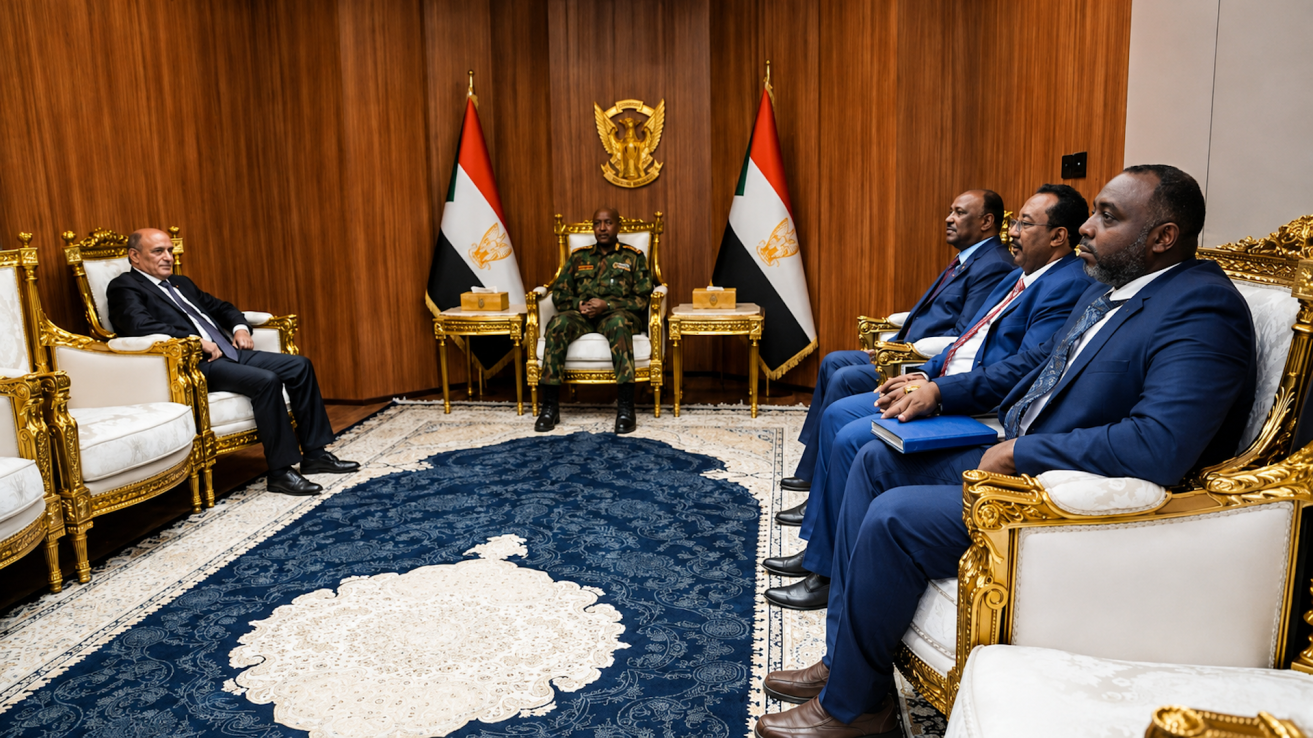
Despite these benefits, the AU's return to Khartoum is not without challenges. On July 8, Mr. Belaiche met with Abdel Fattah al-Burhan, head of Sudan’s Sovereign Council and leader of the Sudanese Armed Forces (SAF), to discuss reopening the office. The meeting was positive, but some political concerns came up.
First, for the AU to be viewed as neutral, it needs support from all sides, not just the Sovereign Council. There are many armed groups and political actors involved. The AU must consult widely to ensure it is seen as fair in addressing the Sudan crisis.

Second, the AU is involved in several mediation efforts to stabilize Sudan. This could be at risk if its position is seen as harmful to peace talks. These efforts include the Quintet and the AU’s intra-Sudanese dialogue that brings together the SAF-led transitional government and the Sudan Founding Alliance (Tasis), which is associated with the Rapid Support Forces (RSF).
Recently, Mr. Al-Burhan announced a national dialogue that will be facilitated by an independent mechanism. The AU could help organize this, but it must address concerns about inclusivity and neutrality to ensure positive outcomes from the transitional government.
Security is another concern for staff if the office returns to Khartoum and is seen as favoring the government in power. When fighting broke out, several embassies faced attacks, especially those seen as siding with one group or the other.
Beyond safety, there are practical problems. After the SAF took back Khartoum in April 2025, the transitional government has tried to rebuild the city. However, there are major issues with water, electricity, and internet access. The ongoing fighting also makes Khartoum vulnerable to drone attacks.
For the office to be effective, it needs clear goals and a commitment to staying neutral. Having a presence on the ground will only work if it aligns with the AU’s plan to resolve Sudan’s conflict.
The office should engage with Sudan’s various professional unions and civil and political groups. The current conflict partly stems from the lack of diverse political views in governance. Being present allows the AU to hear and include the opinions of all Sudanese people.
The AU also needs to keep a neutral stance and avoid any actions that seem partisan. This includes talking to the conflicting parties to ensure the safety of AU staff.
The transitional government could also gain from the AU’s return. Gaining recognition from both continent and world players is key for its strategy against the RSF. The office might also provide ways for the transitional government to influence AU decisions.
The AU’s efforts in Sudan have faced many challenges over the years. By reopening its office in Khartoum, the AU could reclaim its importance and truly help to end the fighting.




Comments
No comments yet.