Akwa Ibom HCDTs Urged to Find Funding Beyond Oil Revenue
HCDTs in Akwa Ibom are encouraged to find funding sources beyond oil contributions. A recent training session highlighted the importance of grants and partnerships.
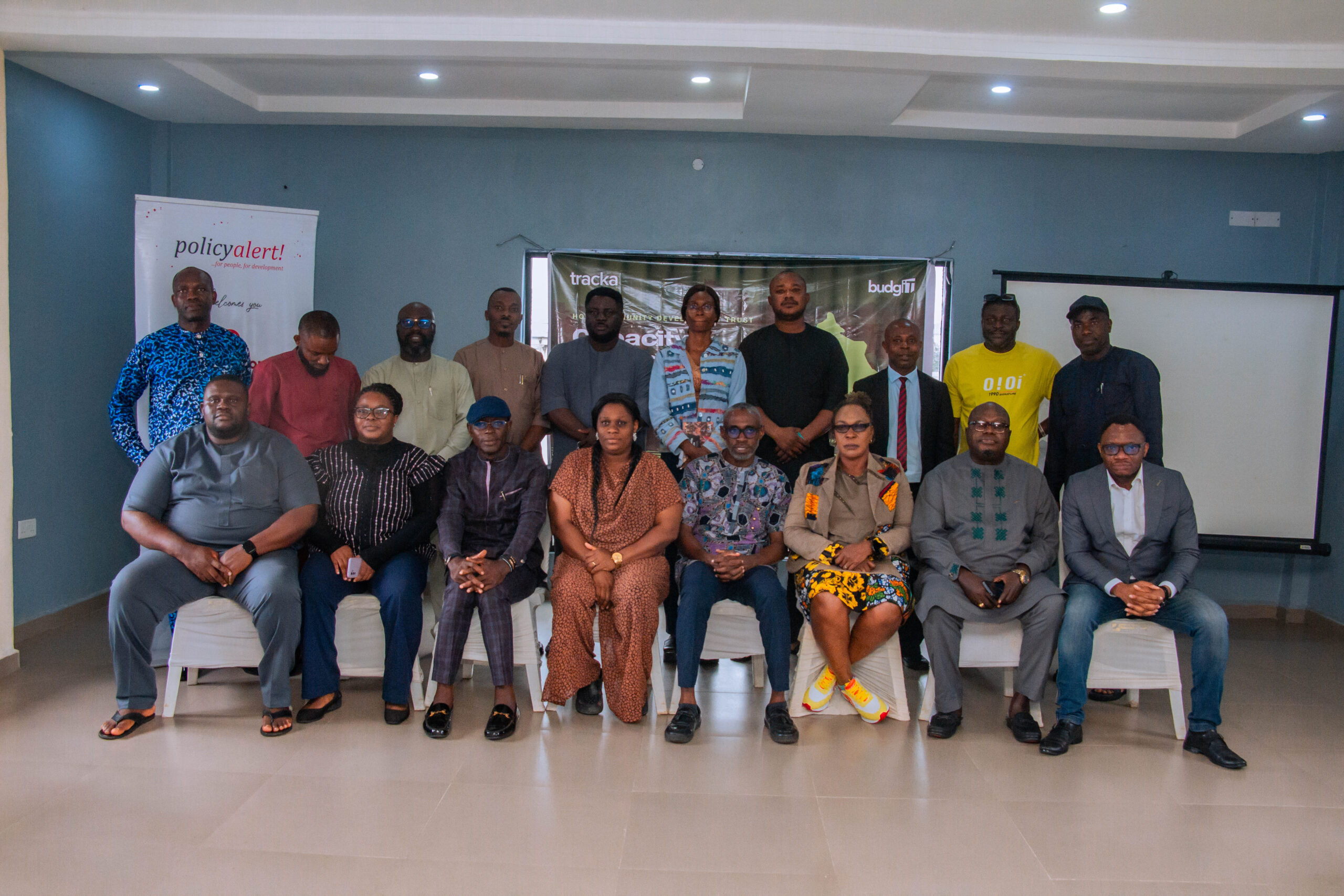
Host Community Development Trusts (HCDTs) in Akwa Ibom State have been advised to stop depending only on statutory contributions from oil companies. They should look for other ways to attract grants, partnerships, and other legitimate funding sources.
This advice came on 13 August during a training session for HCDT leaders in Akwa Ibom. Policy Alert and BudgIT Foundation organized the event.
The session featured a presentation titled “Beyond Statutory Funding: Positioning HCDTs for Grants and Partnerships.” The goal was to help HCDTs improve their ability to gather resources, enhance governance, and show real development results in their communities.
Edidiong Dickson, Head of Energy, Extractives and Climate Justice Programme at Policy Alert, explained that the Petroleum Industry Act (PIA) 2021 allows HCDTs to receive donations, grants, and other contributions besides statutory funds from oil companies.
He pointed out that Section 240(3) of the Act supports this, allowing HCDTs to use these resources for their objectives. He noted that statutory contributions should be seen as “seed capital” to help HCDTs create sustainable funding strategies, not their only income source.
Mr. Dickson urged HCDTs to view themselves as development bodies like non-governmental organizations. He emphasized that they should not just be structures to receive and spend oil money.
He listed important areas for improvement: institutional identity, good governance, strategic planning, financial management, programme management, monitoring, evaluation, documentation, resource mobilization, and partnerships.
He also encouraged HCDTs to use their five-year Community Development Plans as tools for fundraising and investment, not just compliance documents. He said these plans could act as a development strategy, program pipeline, investment prospectus, partnership framework, and fundraising roadmap.
Mr. Dickson advised HCDTs to break their development plans into clear, fundable projects covering education, health, livelihoods, women and youth empowerment, environmental sustainability, energy access, and disability inclusion.
He explained that potential funders would look at the governance structures, financial systems, transparency, and evidence of impact in HCDTs before offering support.
Mr. Dickson highlighted six key improvements that could attract funders: professional documentation, better financial systems, transparency, inclusion of women and youth, evidence-based reporting, and strategic partnerships.
He said HCDTs should keep profiles, strategic plans, budgets, accounts, audits, and impact reports. They also need to publish information on projects, budgets, spending, and results.
Koko Udo, the Programme Manager of Policy Alert, presented on evaluating HCDT projects using standard monitoring and evaluation indicators. He challenged HCDTs to focus not just on finishing projects but on showing the impact of their work.
He suggested HCDTs ask two questions when reviewing their projects: “What evidence shows this project is making progress?” and “What changed because of the project?”
Mr. Udo introduced an HCDT appraisal scorecard based on eight areas: relevance, inclusion, project quality, participation, transparency, sustainability, value for money, and outcomes.

He believes this framework will help HCDTs determine whether their projects meet real community needs and provide lasting benefits.
Enebi Opaoluwa, Head of Natural Resource and Climate Governance at BudgIT Foundation, discussed accountability in HCDT operations. He noted that the PIA requires timely reporting from HCDT management.
Mr. Opaoluwa mentioned that by 31 August each year, the management committee must submit a mid-year report to the Board of Trustees. They must also submit an annual report and audited accounts by 28 February of the following year.
The Board of Trustees must send the annual report to the settlor by 31 May, and the settlor must report to the relevant authority by the same date. He said auditors review the trust’s accounts yearly.
He also addressed the statutory contribution by settlors, project approval, and taxation. If a settlor fails to pay the required three percent contribution, the Board of Trustees must report to the relevant authority.
Mr. Opaoluwa explained that failure to comply could lead to sanctions, including possible license revocation. The Host Community Advisory Committee identifies community needs, while the management committee recommends projects, which the Board of Trustees approves.
“Nothing is funded without BoT approval,” he stated, explaining the PIA rules for HCDT operations. He added that HCDT funds are exempt from income tax, and settlor contributions are tax-deductible.
Lucy Eyo, Gender Focal Person of Policy Alert, presented findings on gender and social inclusion in HCDTs. She highlighted gaps in the participation of women and marginalized groups in decision-making.
Her presentation looked at nine HCDTs in Akwa Ibom and stressed that gender inclusion is a legal requirement under the Nigeria Upstream Petroleum Host Communities Development Regulations 2022. She pointed to Section 12(4), which requires diversity in leadership positions.
Ms. Eyo called for HCDTs to set targets for including women and marginalized groups in leadership and to incorporate gender considerations into development plans. She urged trusts to document participation at meetings and during contract processes.
She encouraged less effective HCDTs to learn from better-performing ones. PREMIUM TIMES reported that although HCDTs in Akwa Ibom have made governance progress, inclusion remains a challenge.
Ms. Eyo said inclusive governance can strengthen HCDTs and enhance community ownership of development projects. “Women in oil-producing communities often bear the brunt of environmental and economic damage but have the least decision-making power,” she noted.
The organizers believe that improving governance, accountability, inclusion, and resource mobilization will help HCDTs maximize development opportunities from the PIA and enhance projects in oil-producing communities.


Comments
No comments yet.