Anambra State Faces Dark Past with New Security Appointments
Anambra State's new security appointments remind many of past issues with vigilante groups. The history of violence raises concerns about accountability.
In April 2006, the new Hamas-led government in Gaza appointed Jamal Abu Samhadana as the director-general of the "Executive Force" responsible for security in the area. Samhadana was not just any militant. He spent much of the last 25 years in exile and served 19 months in detention by the Palestinian Authority. He was also on Israel’s “most wanted” list. Gideon Meir, a spokesperson for Israel’s Foreign Ministry, compared this appointment to “allowing the fox to guard the chicken coop.”
Anambra State in South-East Nigeria seems an unlikely place for a repeat of this situation. Unlike Jamal Abu Samhadana, the fox in Anambra’s case is not fighting for a cause.
This story dates back around 25 years. Nigeria had just returned to a democratic government after 15 years of military rule. Many states faced serious security challenges during this time. Anambra State was one of the hardest hit.
Chinwoke Mbadinuju was the governor then. In 2000, to tackle growing insecurity, he signed the Anambra Vigilante Services (AVS) Law. He invited the Bakassi Boys, a dangerous gang described by Human Rights Watch as a “legitimization of murder and torture.”
The Nigeria Police Force reported that the Bakassi Boys often “hacked suspected criminals with machetes and then set their bodies ablaze.” They operated without accountability. The fear they instilled kept many people from speaking out against bad governance. From 2001, public sector workers often went unpaid.
In 2002, teachers who had not been paid went on strike for the entire school year. State civil servants also joined the protests for months, as did judiciary staff. Their prolonged strikes affected lawyers in one of Nigeria's most litigious states.
Onitsha, the main commercial hub in southern Nigeria, is home to many lawyers. In 2002, Barnabas Igwe led the Onitsha Branch of the Nigerian Bar Association (NBA). His wife, Amaka, was also a lawyer.
As the head of the branch, Mr. Igwe felt the pressure from the struggles his members faced. In August 2002, he called an emergency meeting for the NBA’s senior leaders in Onitsha. He invited all former chairmen, Senior Advocates of Nigeria (SANs), and experienced lawyers in the city.
Just two days later, Mr. Igwe and his wife were killed in a brutal attack with guns and machetes on Oraifite Road outside Onitsha. The attackers were linked to the Bakassi Boys. The murder of the NBA chairman and his pregnant wife sparked public outrage. Tafa Balogun was the Inspector-General of Police at the time.
After the meeting, the Onitsha Branch of the NBA issued a 21-day ultimatum to the state government to pay the overdue salaries of judiciary and public service workers or face consequences. If the governor could not meet these demands, Mr. Igwe declared that he should resign.
This galvanized many voices across the state. The governor had a major issue on his hands.
Barnabas and Amaka Igwe left Onitsha in the last week of August 2002 to attend the 42nd Annual General Conference of the NBA in Ibadan, Oyo State. Amaka was pregnant with their fourth child. They already had one daughter and two sons.
They returned from Ibadan to Onitsha on August 31, 2002. This was their last trip out of the city. Just two days later, they were brutally murdered. The attackers were from the Bakassi Boys.
The double murder led to widespread outrage. Inspector-General of Police Tafa Balogun was in office for just five months.
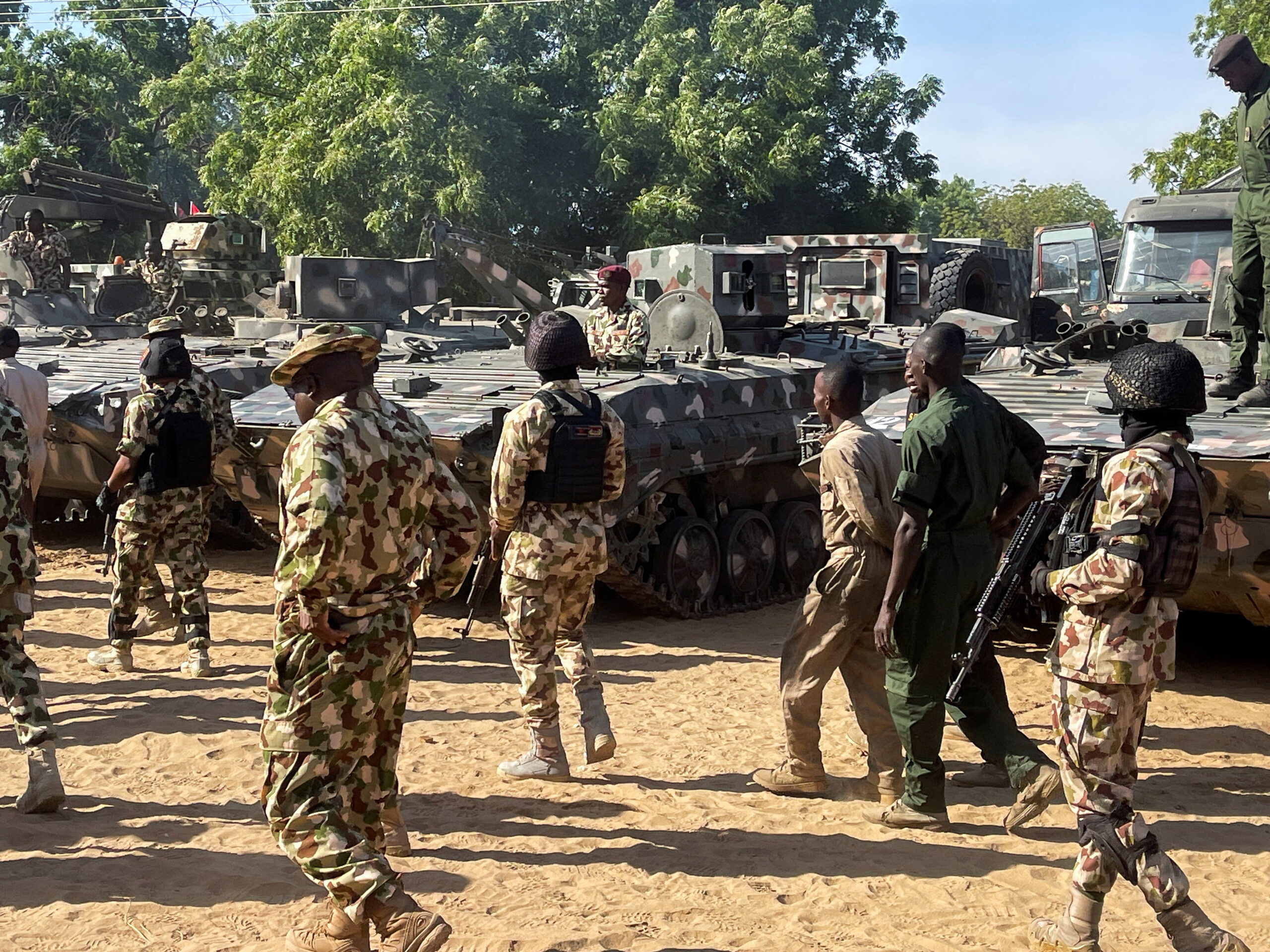
In case number O/60C/2003, The State v. Francis Nzekwe (alias Francis Nzewe Ibekwe), Anambra State began criminal proceedings against 11 suspects involved in the double murder. One suspect was Ken Emeakayi, who was the commissioner for Works under Governor Mbadinuju. Witnesses identified him as the leader of the gang that killed Barnabas and Amaka Igwe.
The Onitsha Branch of the NBA got permission from the Ministry of Justice to have its best lawyers prosecute the case. The trial started before Kalajine Anigbogu, a High Court judge in Anambra State. But he quickly stepped down, citing interference from unnamed “high places” in the state.
The case then moved to another judge, Peter Umeadi, and later to Cecilia Uzoewulu in Ekwulobia. With Emeakayi now in a safer role, those who criticized his rehabilitation by the governor went silent. Fear of his history of violence was strong in the state.
In 2005, the High Court surprisingly granted bail to Ken Emeakayi despite the murder charges, which is usually not allowed. On February 22, 2006, a prison break freed the other suspects from the Onitsha prison. During this chaos, case records vanished from both the courts and the Ministry of Justice. The case never concluded.
I know this because I investigated it.
In 2022, the Governor of Anambra State asked me to lead a Truth, Justice, and Peace Commission (TJPC) to look into the unrest in South-East Nigeria. The Commission included the then Attorney-General of the State, Professor Sylvia Ifemeje, and the current Minister of Foreign Affairs, Bianca Odumegwu-Ojukwu, as secretary.
The TJPC had a mandate from 1999, which included the double murder of Barnabas and Amaka Igwe. When it reported in March 2024, it highlighted the severe nature of their murders. It specifically referred to the unfinished prosecution of Mr. Emeakayi and asked the state government to review the case to ensure accountability. It also recommended an official apology and compensation for their children.
The governor promised “swift action based on the Commission’s recommendations.”
But six months later, instead of taking responsibility, the same governor appointed Ken Emeakayi as his Special Adviser for Community Security. Early in 2025, the state created a new vigilante group called “Agunechemba,” which was ultimately under Emeakayi’s command.
Anambra State had fully accepted the fox as the king of the chicken coop.
With Emeakayi now in this position, those who thought about his past brutality kept quiet. The fear around him was real.
It is shocking how a man linked to the murder of a pregnant woman can be supported by a former Governor of Nigeria’s Central Bank. In a normal society, this would be unacceptable.
This week marks 24 years since Barnabas and Amaka Igwe were killed. It seems the current governor of Anambra State no longer reacts to the murder of a pregnant woman. If that is true, he should stop complaining about security issues. But he cannot place the state’s security in the hands of a man like Ken Emeakayi and still claim he cares about safety.



Comments
No comments yet.