Atiku Responds to Tinubu on Fuel Prices Ahead of 2027 Elections
Atiku Abubakar has hit back at President Tinubu over fuel prices, emphasizing the struggles of Nigerians. He aims to focus on policies that help the people.
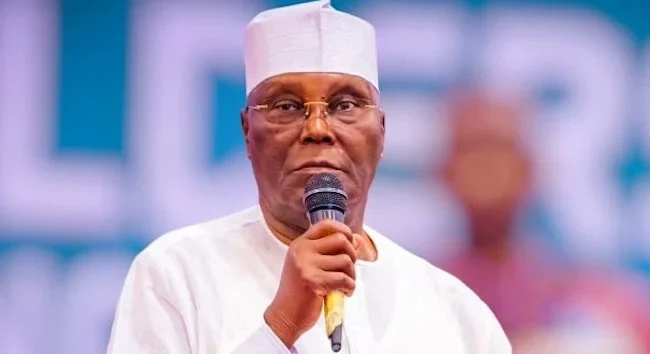
Former Vice President Atiku Abubakar has responded to President Bola Tinubu over his comments on energy cost proposals. Atiku accused Tinubu's government of making Nigerians suffer for years while only promising help as the 2027 elections get closer.
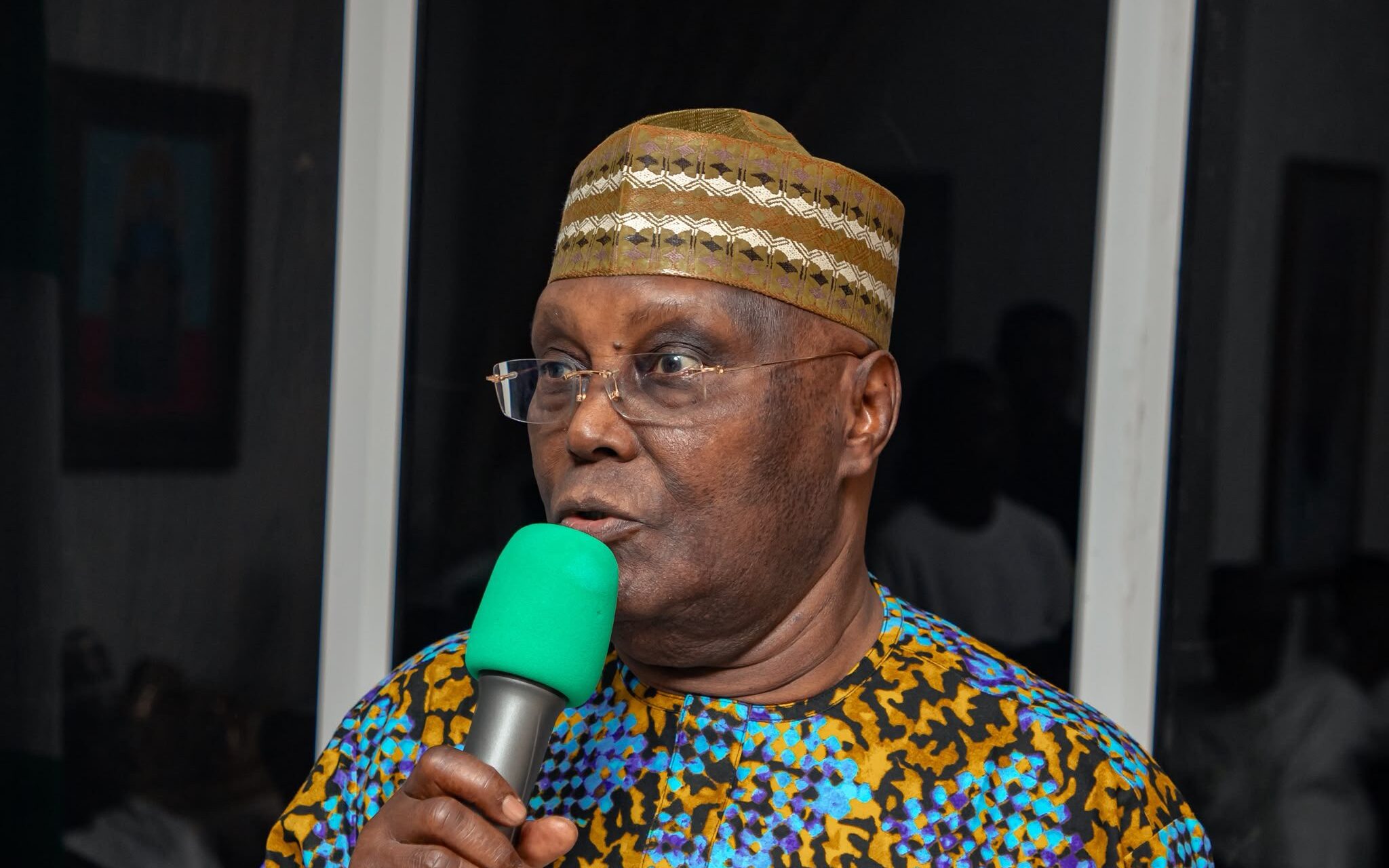
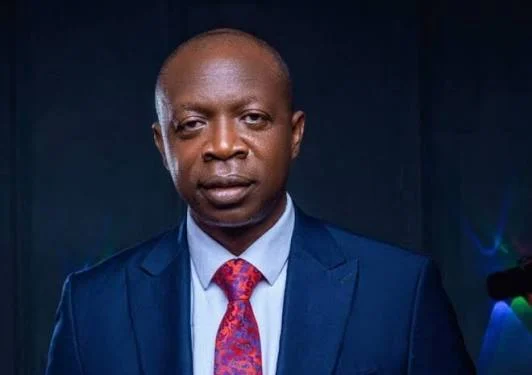
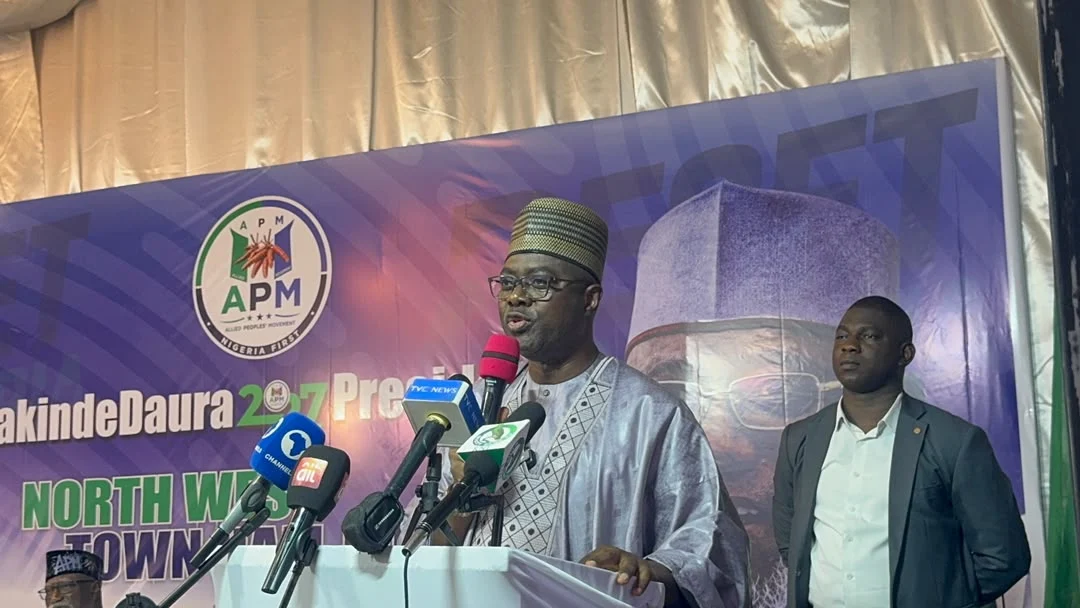
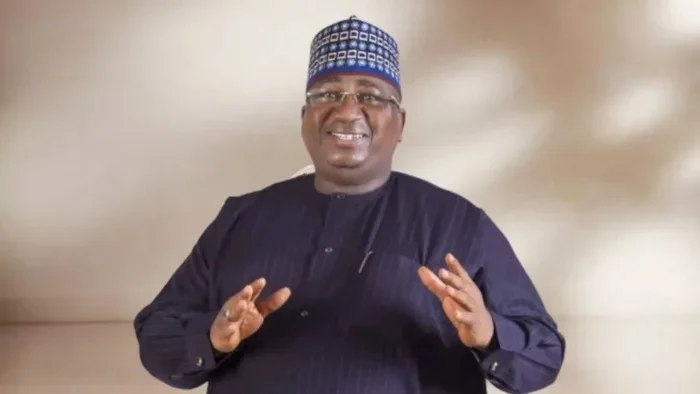
Atiku's Senior Special Assistant on Public Communication, Phrank Shaibu, said the main issue is not a fight between Atiku and Tinubu. It is about the millions of Nigerians who cannot afford basic needs.
Shaibu released a statement on Tuesday with the title, “Tinubu, the issue is not Atiku, it is why Nigerians can no longer afford to live.” He said Atiku will not engage in personal attacks but will keep pushing for policies that aim to lower the cost of living.
He added, “Atiku has more important people to engage directly: the mother struggling to feed her children; the civil servant whose salary disappears into transportation; the farmer paying more to move produce to market; the student being pushed into debt simply to remain in school; and millions of Nigerians whose daily reality bears no resemblance to the prosperity advertised in your tweets.”
Shaibu's statement was a reply to Tinubu's recent comments on economic policy. The president criticized Atiku's plans to cut energy costs and ruled out bringing back fuel subsidies.
Shaibu questioned why the government is now promising lower transport costs, more food production, and support for vulnerable Nigerians after more than three years of economic struggle.
“Why did Nigerians have to suffer for more than three years before your government discovered that economic growth must reach ‘the dining table and the pocket’? Why is intervention backwards when Atiku proposes it, but progressive when you announce it?” he asked.
The statement claimed that lowering energy costs would help the economy by reducing transport and production costs, which would then lower the prices of food and other essential goods.
The statement also highlighted that the Atiku Economic Recovery Plan would offer focused support for Nigerian crude oil that is refined locally. This would happen under a clear and budgeted framework.
He explained that the proposal would involve tracking crude oil supplied, monitoring the refined products, and ensuring that benefits reach consumers.
“The economics is straightforward. Reduce fuel costs, and you reduce pressure on transportation. Reduce transportation costs, and you reduce the cost of moving tomatoes, rice, yam, livestock and manufactured goods,” he said.




Comments
No comments yet.