Bayelsa and UNICEF Team Up to Fight Child Malnutrition
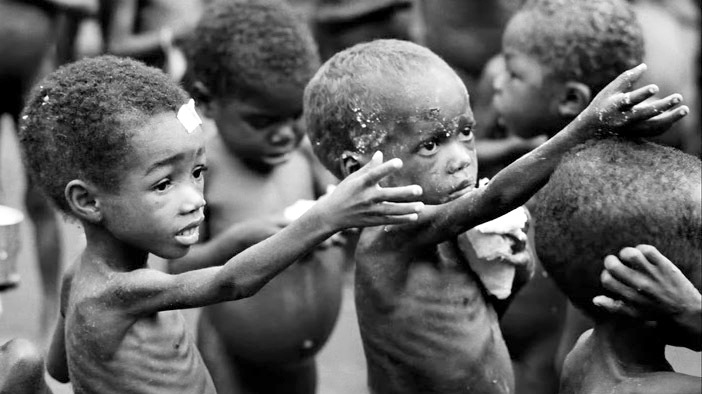
Bayelsa State and UNICEF have initiated a project to tackle child malnutrition in the first 1,000 days of life. The program aims to support pregnant women and children under two.
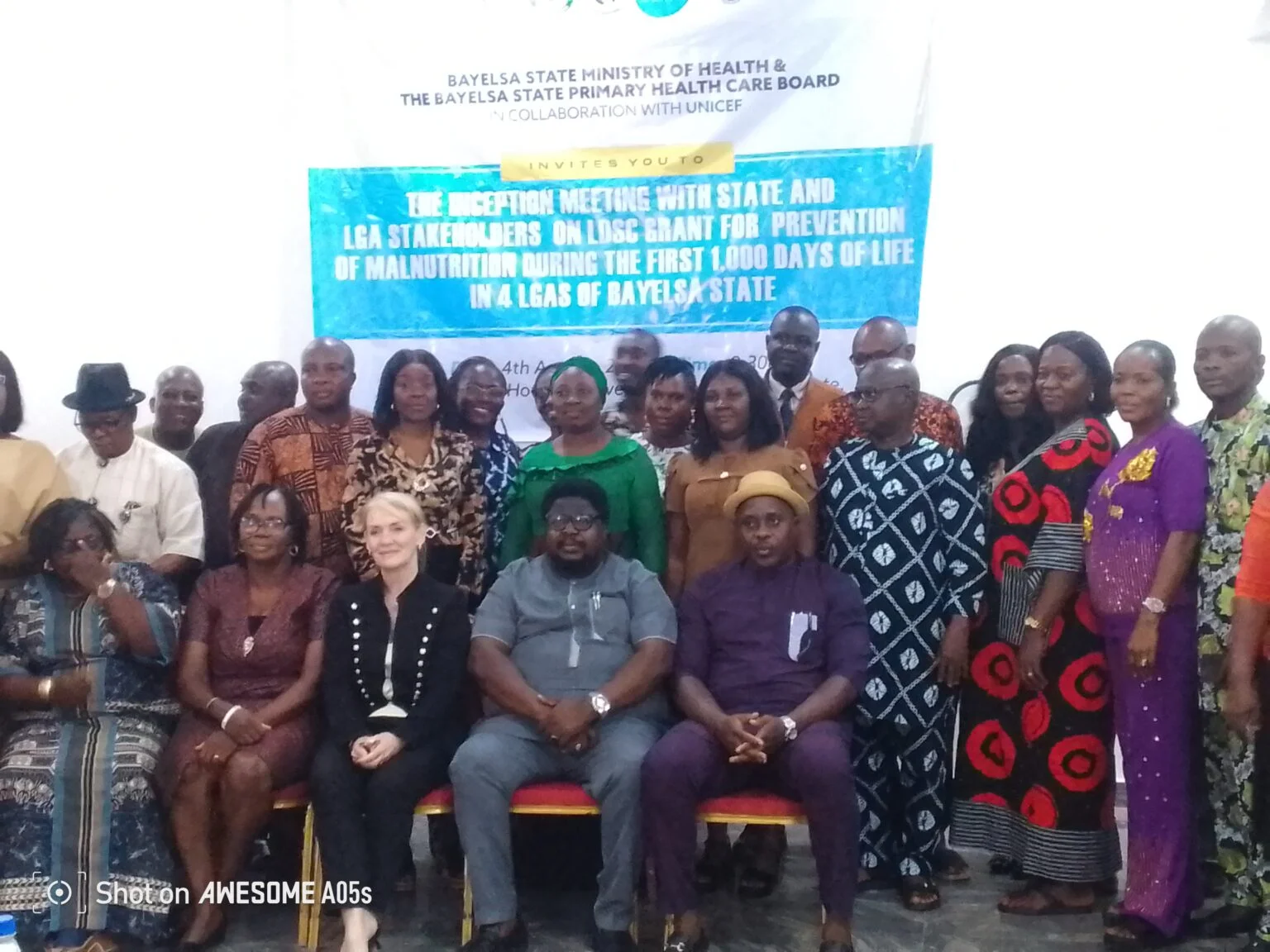
The Bayelsa State Ministry of Health, together with UNICEF and The Church of Jesus Christ of Latter-day Saints, has launched a one-year project to prevent malnutrition in the first 1,000 days of life.
At the launch in Yenagoa on Tuesday, UNICEF Chief of Field Office, Lagos, Celine Lafoucriere, said the program focuses on pregnant women and children under two years old across the state.
Ms Lafoucriere noted that the project aims to identify and prevent malnutrition early during the crucial time from pregnancy to a child's second birthday, when physical and brain growth happens quickly.
She stated that the initiative is meant to give every child in Bayelsa a better chance to survive and grow, learn, and achieve their full potential.
"That is what the first 1,000 days of life protect.
"From the moment a woman becomes pregnant to her child's second birthday, a body and a brain are being built. What happens in that window cannot be undone later.
"The most recent National Demographic and Health Survey (NDHS 2024) found that more than one in four children in Nigeria are stunted, while nearly half of pregnant women are anaemic," she said.
Ms Lafoucriere explained that stunting happens when children do not get enough nutrition early in life, harming their physical growth and mental development.
She added that this condition often leads to poor education and fewer job opportunities later on.
"That is exactly what this project, and the funding behind it, is built to change.
"These are children who will struggle more in school and may find it hard to earn a living, through no fault of their own. That is why today matters," she said.
The UNICEF official mentioned that The Church of Jesus Christ of Latter-day Saints is funding the project for one year, while the Bayelsa Government is contributing N140 million and UNICEF is matching that with another N140 million.
She called the partnership a clear sign of commitment by the government and development partners to improve child nutrition and maternal health.
"UNICEF is proud to stand with Bayelsa in this work. When the government takes the lead and partners provide real support, nutrition supplies reach children before problems start.
"A child gets weighed and measured regularly. A mother is shown exactly how to feed her baby by healthcare workers. Children who might normally go unnoticed get counted, get fed, and get followed up," she said.
Ms Lafoucriere praised the Bayelsa State Government and The Church of Jesus Christ of Latter-day Saints for investing in the health of children in the state.
"Somewhere in the state right now, a child is living through their first 1,000 days. They do not know this meeting is happening.
"But by the end of this year, I hope they will be healthier and better fed because of what we do here today," she said.
The Bayelsa State Commissioner for Health, Seiyefa Brisibe, represented by Williams Appah, executive secretary of the Bayelsa State Primary Health Care Board, thanked UNICEF and The Church of Jesus Christ of Latter-day Saints for their support.
Mr Appah said the grant would cover four local government areas and urged stakeholders to ensure that the help reaches those who need it.
He added that the Bayelsa State Government has also provided resources to tackle child stunting and malnutrition.
According to him, health officials had previously helped children with stunted growth, but the new funding and community awareness would boost efforts to reduce malnutrition.
Also speaking, the Chairman of Ogbia Local Government Area, Golden Jeremiah, thanked UNICEF and The Church of Jesus Christ of Latter-day Saints for supporting the nutrition program for children.


Comments
No comments yet.