Booing the President: What It Means for Nigeria
The booing of the president in Abuja shows rising discontent among Nigerians. This event highlights deeper issues as the election nears.
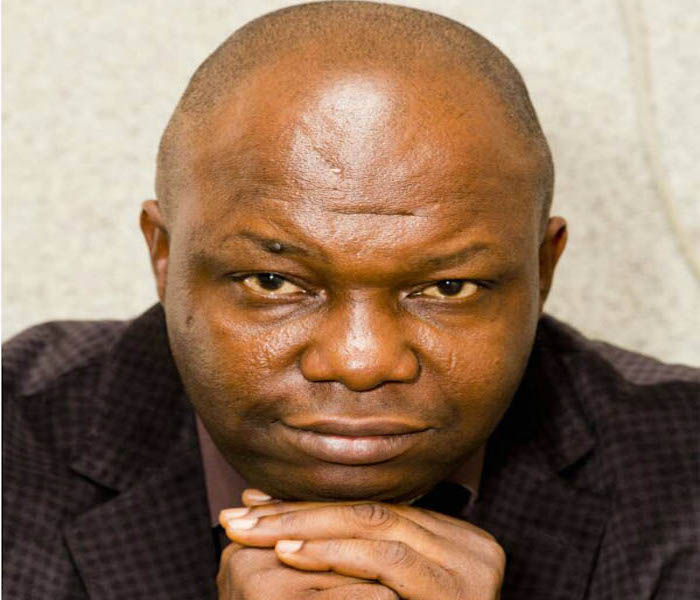
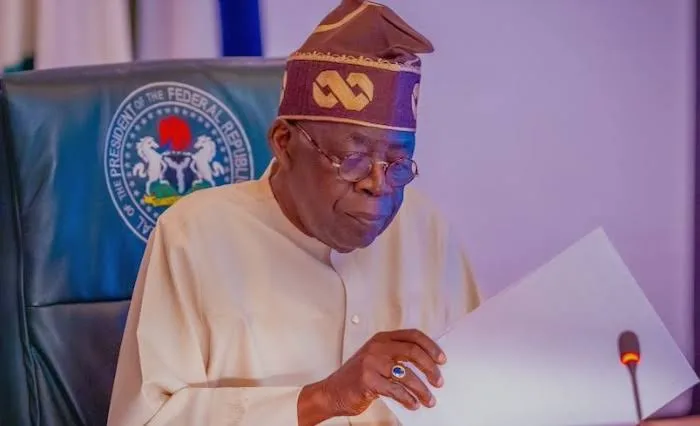
For those against the Nigerian president's second-term plans, the booing on Friday in Abuja was telling. They believe this reflects a cause and effect, which the Yoruba describe as “an offence does not happen without a cause.” In simpler terms, it is “Èsé*kìí dédé ṣé.” This saying helps explain conflicts and unusual events by connecting them to underlying reasons. The president was booed and his convoy was reportedly pelted by some angry Nigerians at the Shehu Shagari Central Mosque after he attended Juma’at prayers. They shouted “Ba ma yi, ba ma so*”, “We are not supporting you”, as his convoy left.
On 23 October, a convoy linked to the president's campaign also faced loud boos from protesters in Kaduna. The crowd chanted “Ba mayi” as they expressed their disapproval. This was seen as a sign of the growing frustration leading up to the presidential election in January.
Popular culture supports this view. The late Yoruba actor and writer, Adebayo Faleti, showed this in his role as Agbaakin in the political film, Saworoide. He famously sang a warning to political leaders about a looming crisis due to unspoken issues. Faleti sang: “Òròl’ẹyẹ ń gbó, ẹyẹ ò dédé bà lórùlé o.” This means that a bird does not just land on a roof without a reason; it must have heard something suspicious. The Yoruba view unusual events not as accidents but as having deeper meanings.
So, was the booing of the president at the Abuja mosque concerning? Not really. Yes, booing a sitting president is a clear form of public expression, but in Nigeria, where events can be politically manipulated, it might be misleading. Looking at the historical and political context gives a better understanding of the situation.
A loud crowd can show strong local anger from issues like the high cost of living, hunger, and insecurity. But we must be careful in our judgments. We need to consider whether the booing crowd represents the wider public, a specific group of opposition, or hired dissenters. Government officials should be worried when public booing, like what happened to Goodluck Jonathan, shifts from isolated events to a common occurrence. When this happens, it carries heavy consequences for the leaders and the country.
When public jeering becomes a regular thing against a leader, it should raise alarms. This indicates a loss of moral authority. Legitimacy and voluntary compliance are crucial for governance. When leaders face frequent public humiliation, it weakens their political standing and makes it hard to rally citizens for economic reforms or national sacrifices.
Spontaneous jeering has significant impacts that cannot be dismissed easily. They do not reflect opinion polls or well-organized political rallies. But when they happen, they need serious attention. Ignoring the boos from the Shehu Shagari Central Mosque crowd, especially in a neutral space like a mosque, may not be wise. It shows the people's resentment. For a political leader, such jeers reveal how they are viewed by the public, breaking down the barriers that come with power and allowing leaders to face public sentiment directly.
Historically, public figures like Jacob Zuma of South Africa faced similar booing. At a Nelson Mandela Memorial Service in 2013, Zuma was loudly jeered whenever he appeared on screen. Analysts noted this reflected a stark difference between him and Mandela, who was known for a people-centered legacy, against Zuma's record of corruption and poor service.
Robert Mugabe of Zimbabwe also faced public jeers in 2017 during Emmerson Mnangagwa's inauguration. By then, Zimbabwe was struggling economically, and Mugabe often received boos, especially in his last months. People, who once feared him, began to protest openly against his rule.
In Nigeria, President Jonathan faced similar public anger in 2015, just months before the elections. His convoy was booed and pelted with stones in the North by crowds chanting “Sai Buhari.” Observers said this signaled a major loss of support for Jonathan due to his government's failure to address insecurity and economic issues.
President Buhari also faced boos in 2020 when he visited Maiduguri after a Boko Haram attack. Residents lined the streets, booing his convoy and shouting “Ba ma yi” in frustration over ongoing insecurity. This showed that a government that once received praise could also be met with strong public backlash.
William Ruto of Kenya experienced similar reactions from the public during protests in 2024 against the Finance Bill. These protests led to repeated booing at public events. Politicians allied with Ruto also faced hostility, causing them to limit their appearances out of fear.
Globally, many leaders have faced public jeers. Richard Nixon was booed during his 1973 inaugural parade amid the Vietnam War and Watergate scandal. Boris Yeltsin also faced boos during a May Day parade in 1990, marking a significant turning point.
Public booing of leaders serves as a safety valve and a real-time indicator of legitimacy. In a society like Nigeria, where cultural norms demand respect for authority, booing a president shows a breakdown of this respect. When citizens feel bold enough to boo a president, especially in a solemn place like the Abuja mosque, it signals deep economic pain or political frustration. This is shown by their booing, overriding their usual respect for authority.
Genuine public booing, not driven by political opponents, has its merits. It highlights the limitations of echo chambers. Leaders often surround themselves with loyal aides who filter out bad news. When public booing occurs, like the crowd shouting “Ebi ńpa wá”, “we are hungry”, as the president's motorcade passed through Lagos, it shows genuine public frustration with the government's policies.
During his Christmas visit to Lagos, instead of cheering, traders and residents booed the president, reflecting widespread dissatisfaction with rising food prices and economic hardships. Sadly, this public outcry did not lead to any government acknowledgment or change.
The positive aspect of the booing at Shehu Shagari Central Mosque is that it shows democratic vibrancy. The president's convoy did not resist the booing crowd, which indicates an open society. Unlike the Kisumu Massacre in Kenya in 1969, where Jomo Kenyatta faced violent backlash from a jeering crowd, the Abuja incident showed a more tolerant approach.
In 1969, Kenyatta was met with jeers during a hospital inauguration and responded with anger, leading to police violence against the crowd. This incident resulted in many deaths and further oppression of dissent.
Similarly, Moussa Dadis Camara of Guinea faced public outcry in 2009, leading to a massacre of protesters. Such responses to booing often result in global condemnation and eventual downfall of leaders.
Leaders like Nicolae Ceaușescu also faced public backlash during significant protests. Authoritarian regimes often suppress dissent until it escalates violently. In democracies, however, public booing should alert leaders to address issues before elections.
Rather than addressing public dissatisfaction, many governments view booing as a security threat. Thankfully, the Shehu Shagari Central Mosque booing was not met with violence. If it had been, it would have limited civic space, as booing is a legitimate form of dissent. Increasing security measures or arresting critics would only deepen public resentment.
History shows that ongoing public booing can predict electoral outcomes. Goodluck Jonathan's booing in 2015 and Jacob Zuma's in South Africa were signs of political shifts.
While it's hard to say if the current booing of the Nigerian president will lead to electoral defeat like Jonathan's, it cannot be ignored. Yes, the president and his party have advantages in a political system designed for incumbents, but the wisdom from my youth echoes: “be careful, the world is not happy with you…” Will the president listen?
Comments
No comments yet.