Building Nigeria's Healthcare Sector for Our People
President Tinubu emphasizes the need for Nigeria to enhance its healthcare system by boosting local production of medicines and medical equipment.


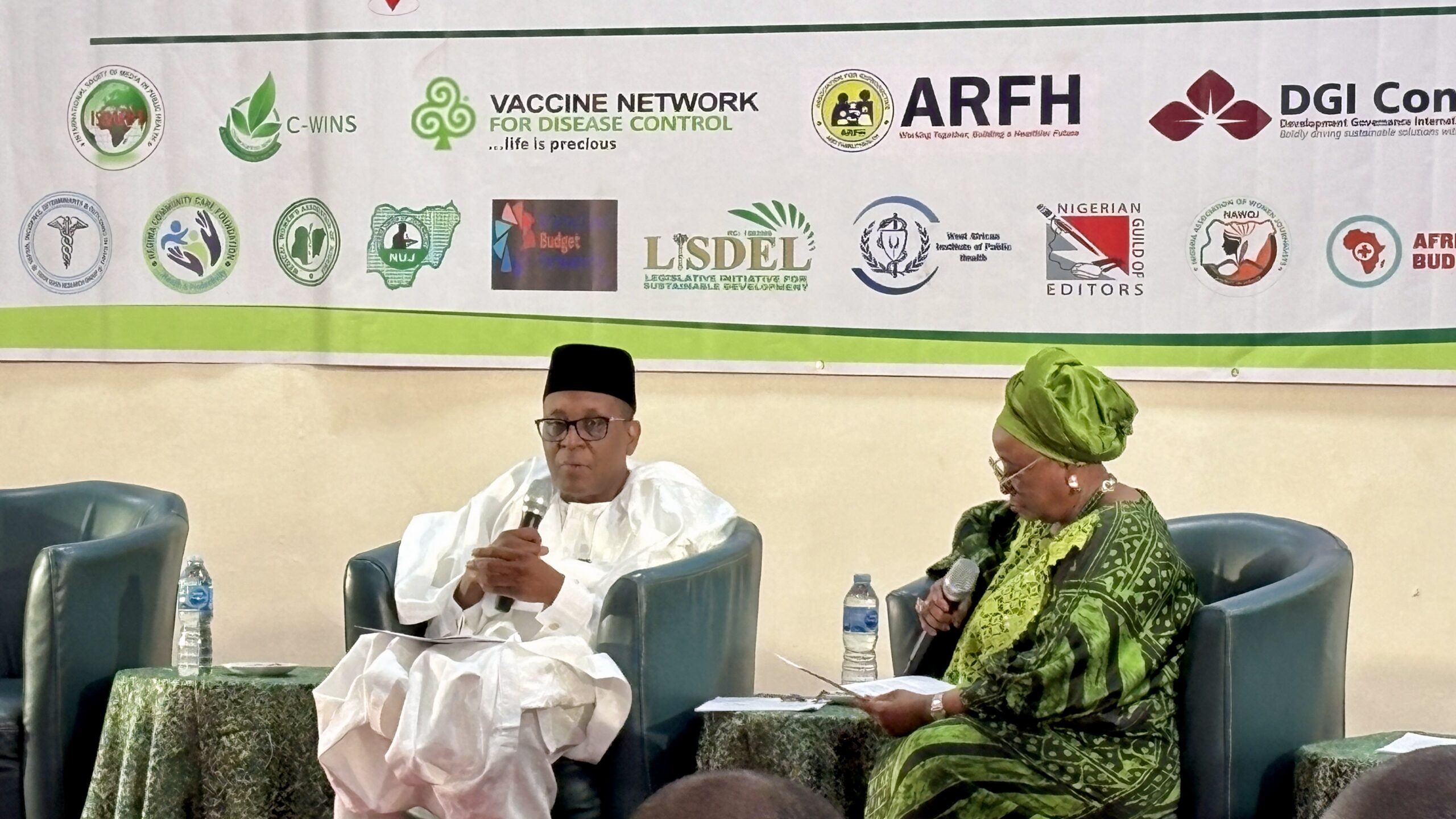
President Tinubu and the Coordinating Minister for Health and Social Welfare, Professor Muhammed Ali Pate.
Nigeria’s healthcare needs should support a growing source of national prosperity. We can build businesses that serve our people, develop expertise that stays within our country and create products that compete beyond our borders. The progress already made gives us a basis to pursue that ambition with confidence. Nigerians should expect these investments to deliver dependable care, more affordable treatment and opportunities to earn a decent living.
Nigeria must produce more of the medicines and medical equipment we need. We have a good pharmaceutical industry, skilled health professionals, and a large local market. Still, we rely too much on imported health products. Many Nigerians are traveling abroad for treatment. With our population size, we should be able to produce more, create jobs, and provide specialized services based on what we spend on health.
This dependence on imports affects families and the economy. Changes in exchange rates can make essential medicines too expensive for families. Disruptions in other countries can hurt supplies in our hospitals. Money spent on treatment abroad supports expertise and facilities that we need to develop in Nigeria.
To tackle these issues, I started the Presidential Initiative for Unlocking the Healthcare Value Chain in October 2023. Through this initiative, we are attracting Nigerian and international investments into local manufacturing and healthcare services. Our goal is to produce more essential health products, improve care in Nigeria, and create quality jobs in the sector.
This initiative is part of the Nigeria Health Sector Renewal Investment Initiative (NHSRII), which I launched in December 2023. It aims to fulfill the health promises of the Renewed Hope Agenda. Our focus is on saving lives and easing the burden of illness. We will achieve this through better governance, improved services, local production, and being better prepared for health issues. The Federal Government, states, and development partners have agreed to work together in this reform.
Healthcare as An Economic Priority
Nigeria needs more businesses that produce, create jobs, and compete. Healthcare is a chance to build these businesses around lasting demand. As we improve access to treatment, more of the money spent should support local businesses and skilled jobs.
Good health is key to the prosperity we want. It leads to and comes from building human capital. When a worker is sick, a child is out of school, or a business owner cannot work, the costs go beyond just hospital bills. A serious illness can wipe out a family’s savings. Protecting Nigerians from these losses helps build a stronger economy.
The government has a role in making this happen. Illness reduces productivity. Outbreaks can disrupt economies. A presidential initiative helps us bring together decisions on health, finance, industry, and investment. Manufacturers need to plan with confidence about the rules they must follow. Investors should see government institutions working towards common goals. This coordination is crucial when a project needs a lot of money and takes years to develop.
International cooperation is key to this effort. Nigeria welcomes investors with capital, expertise, and a long-term commitment to producing here. Our market offers business opportunities with a strong and young population. Successful partnerships will strengthen local businesses and improve technical skills. This is how investment can help diversify the economy and eventually increase export earnings.
We have addressed production costs. An Executive Order I signed in June 2024 provided tax and tariff relief for specific machinery and equipment used in local healthcare manufacturing. From January 2025 to June 2026, over ₦24 billion in waivers was approved for 75 manufacturers. This is meant to make investment and growth easier, improving the availability and cost of essential products.
Investment in Production and Skills

The manufacturing sector is growing. Ten factories for priority health products are being set up, with six already active in 2026. These investments cover a range of products, including medicines, diagnostic tests, medical oxygen, and mosquito nets. They create productive assets that can lead to more skills, suppliers, and investment.
The mosquito net industry is a good example. After a 2024 agreement with PVAC, Vestergaard started operations at Health Textiles Nigeria in September 2026. Similarly, Harvestfield, a local company, is making dual-ingredient nets. Production of advanced insecticide-treated nets is now happening, with Nigerian workers getting more technical training. Once fully operational, these companies will produce over ten million nets a year and employ more than 600 people.
For a country facing a heavy malaria burden, this is significant. Families will benefit from better access to malaria protection. Investing in disease prevention can also create jobs in manufacturing. As production grows, opportunities will arise for suppliers and service businesses. The skills Nigerian workers gain will be valuable for the country. We should be able to meet more of our needs and supply other African markets.
The same goal applies to diagnostics. Codix Bio’s agreement with the Medicines Patent Pool, supported by the World Health Organization, allows for technology transfer from SD Biosensor to make rapid diagnostic tests in Nigeria. These types of partnerships bring technical know-how to Nigerian companies and enhance their capacity to meet international standards.
International cooperation is key to this effort. Nigeria welcomes investors who bring capital, expertise, and a long-term commitment to production here. Our market offers commercial opportunities with a strong and youthful population. Successful partnerships should strengthen local businesses and improve technical skills. This is how investment can contribute to economic diversification and, over time, greater export earnings. NASENI-Troment is another manufacturer using modern technology to produce diagnostic kits locally.
From the start, our goal has also been to enhance the care available in Nigeria. We need services that give Nigerians more confidence to seek treatment at home. Investments in advanced diagnostics, cancer care, and other specialist services can keep more healthcare spending in the country while creating opportunities for our clinicians and researchers.
Better Care and Greater Opportunity
From the start, our goal has also been to enhance the care available in Nigeria. We need services that give Nigerians more confidence to seek treatment at home. Investments in advanced diagnostics, cancer care, and other specialist services can keep more healthcare spending in the country while creating opportunities for our clinicians and researchers. For families dealing with cancer, getting treatment in Nigeria can save them the extra costs of traveling abroad and being away from loved ones.
I know Nigerians will evaluate these reforms based on the quality of care they can access and afford now. It takes time for new facilities to reach their full potential. Local manufacturers still face costs that need to be addressed, and production must meet high-quality standards. Government support should lead to better products and affordable services for Nigerians.
Our national health reform framework connects industrial investment to healthcare growth. As we strengthen primary care through the Basic Health Care Provision Fund and expand health insurance, we must ensure facilities can access the medicines and diagnostic tests that patients need. Better purchasing arrangements can turn the growing demand into steady orders for manufacturers, supporting investment while maximizing public funds. The benefits must reach Nigerians through reliable supplies and affordable treatment, even in rural areas. Medipool, Nigeria’s first nationally approved group purchasing organization, was set up to pool demand for quality medicines and other health products, negotiate better prices, and provide a reliable market for local manufacturers.
The next phase needs ongoing focus on financing, steady demand, and the practical conditions for businesses. Announced investments must move into production and reach the facilities where Nigerians receive care. I expect the Coordinating Minister of Health and Social Welfare to continue this work with the relevant institutions and private partners.
Nigeria’s healthcare needs should support a growing source of national prosperity. We can build businesses that serve our people, develop expertise that stays within our country, and create products that compete beyond our borders. The progress already made gives us a basis to pursue that ambition with confidence. Nigerians should expect these investments to deliver dependable care, more affordable treatment, and opportunities to earn a decent living.
Comments
No comments yet.