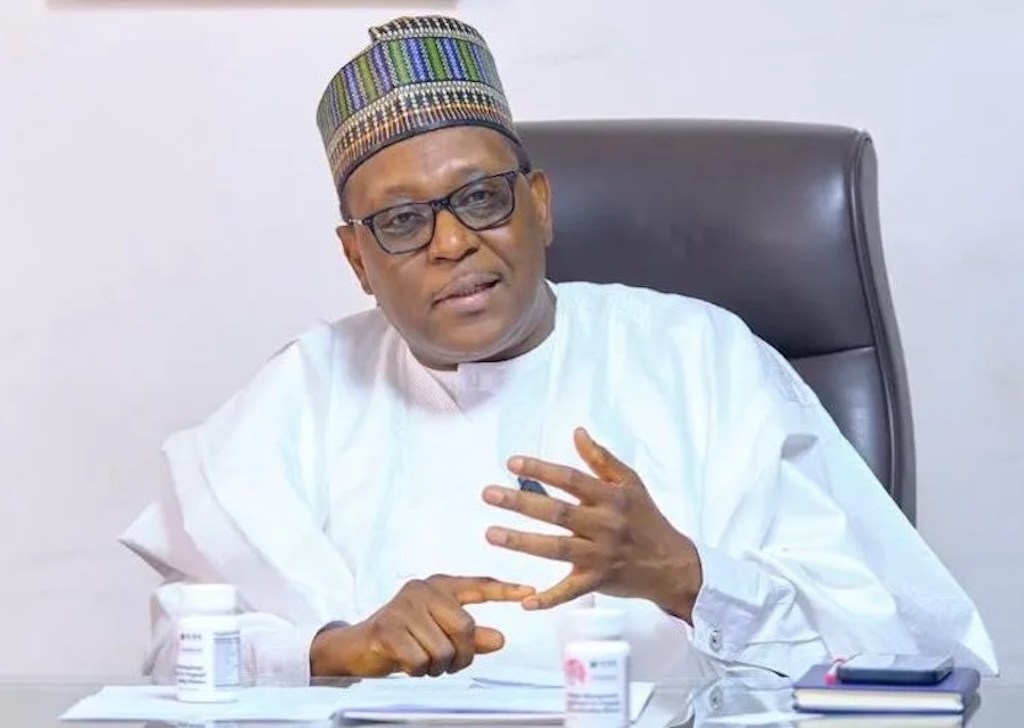
The Coordinating Minister of Health and Social Welfare, Muhammad Pate, has said that tax changes and economic growth are key to boosting local funds for healthcare in Nigeria.
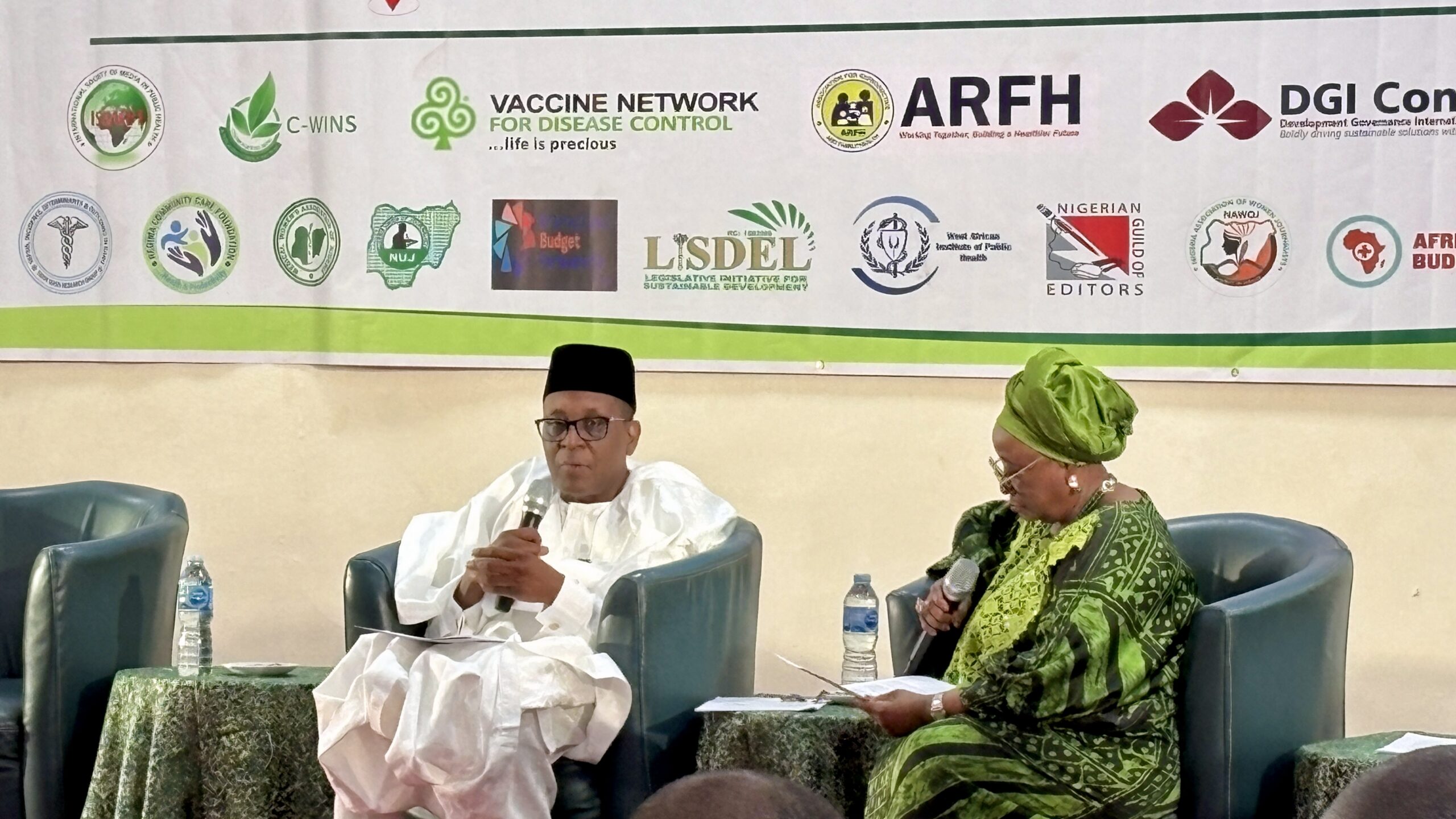
Mr Pate made this statement on Monday in Abuja during a discussion at the Health Sector Reform Coalition (HSRC)/Nigeria Universal Health Coverage (UHC) Civil Society Organisations-Media Mid-Year Review of Nigeria’s Health Sector Reforms.
The event brought together government officials, civil society groups, development partners, and the media to look at the progress on health reforms and ways to improve health outcomes in Nigeria.
Moji Makanjuola, a well-known journalist and broadcaster, moderated the discussion.
From donor dependence to local funding
For many years, Nigeria’s health programs have relied heavily on support from international donors, especially for issues like HIV and immunization.
While Mr Pate acknowledged this help, he pointed out that changing global priorities and financial issues in donor countries mean Nigeria cannot rely on this funding forever.
He mentioned that demands like defense, climate change, and migration are causing rich countries to rethink how they spend their resources.
Mr Pate argued that Nigeria must take more responsibility for funding its own health needs. “The path out of that dependency that we have enjoyed over the last several decades is to put domestic resources, federal, state, local government, to invest in health for people,” he said.
He highlighted that this responsibility is linked to how much revenue the government can raise. Mr Pate connected sustainable health funding to wider economic reforms by the federal government.
Creating financial space for health
Mr Pate said that removing the fuel subsidy and ongoing tax reforms can help create more financial space for social sectors.
He argued that money that used to go to subsidies can be used for health and education if federal and state governments prioritize these areas.
“The implication of removing the subsidy is that it provides added revenue to the government, federal and state, that ideally should be channeled more towards social sectors, because you are creating fiscal space,” he said.
He also linked health funding to economic growth, explaining that a stronger economy increases government revenue and, in turn, resources available for public services. He said economic growth is important for Nigeria’s plan to keep investing in healthcare.
Improving revenue collection
In addition to raising more money through economic growth, Mr Pate said Nigeria needs to collect more of the taxes that are already due.
He explained that the government’s tax reforms are not just about raising taxes but also about improving tax collection.
Nigeria’s revenue-to-GDP ratio is still quite low. “If we are collecting 7.8 per cent of GDP as revenue, that’s lower than the average of 15 per cent,” he said.
Mr Pate said that increasing revenue would give the government more money to fund healthcare, education, and other social areas. This is especially important as donor countries face their own financial challenges.
He said the government must take charge of funding health services for Nigerians instead of relying on external partners.
A more coordinated approach to donor support
The move towards more local funding comes with efforts to better coordinate external support.
Mr Pate described the past donor situation as disjointed, with development partners sometimes backing specific states and programs without enough coordination with the government. “There wasn’t as much coherence,” he said.
The government is now trying to align these efforts with national and state health priorities. He mentioned that states have plans that match national goals and quarterly meetings are held to check progress using data.
According to Mr Pate, the government has also introduced joint annual reviews and the State of Health for the Nation report to give a clearer picture of health sector performance.
This aims to cut down on duplication, boost accountability, and ensure the government knows what is happening across the country.
He stressed that the government is ultimately responsible for health outcomes, no matter how much support comes from partners.
Local production and health security
Mr Pate’s call for more local capacity includes producing medicines, diagnostic kits, and medical equipment needed for healthcare.
He pointed out the increase in local pharmaceutical manufacturing and production of rapid diagnostic test kits. He sees local production as a way to keep economic value in Nigeria and create jobs.
He also connected local manufacturing to healthcare costs, especially after the naira drop raised the price of imported goods. “When the naira was devalued, the cost went up significantly. Now some of the production is here. So there’s a bit of an import substitution component,” he said.
With more products made locally, Nigeria can lessen its dependence on imports and build local supply chains for materials and other inputs.
Mr Pate believes this is part of moving from a health system that relies on foreign products to one that can produce more of what Nigerians need.
Sustaining the reforms
Finally, Mr Pate said the success of current reforms depends on their continuation and the government’s ability to strengthen them.
He pointed to improvements in areas like contraceptive use, antenatal care, and skilled birth attendance, arguing that continued effort could lead to lower rates of maternal, neonatal, and child deaths.
He also mentioned that progress in Nigeria would affect other countries, given its size and impact on health outcomes in Africa. “If Nigeria doesn’t move, Africa doesn’t move,” Mr Pate said.


Drop your comment
No comments yet — be the first to drop the gist 👇