Cameroon journalist detained for sharing photo of security forces
George Lekeaka has been detained in Cameroon for sharing a photo of security forces. The Committee to Protect Journalists demands his release and access to legal support.
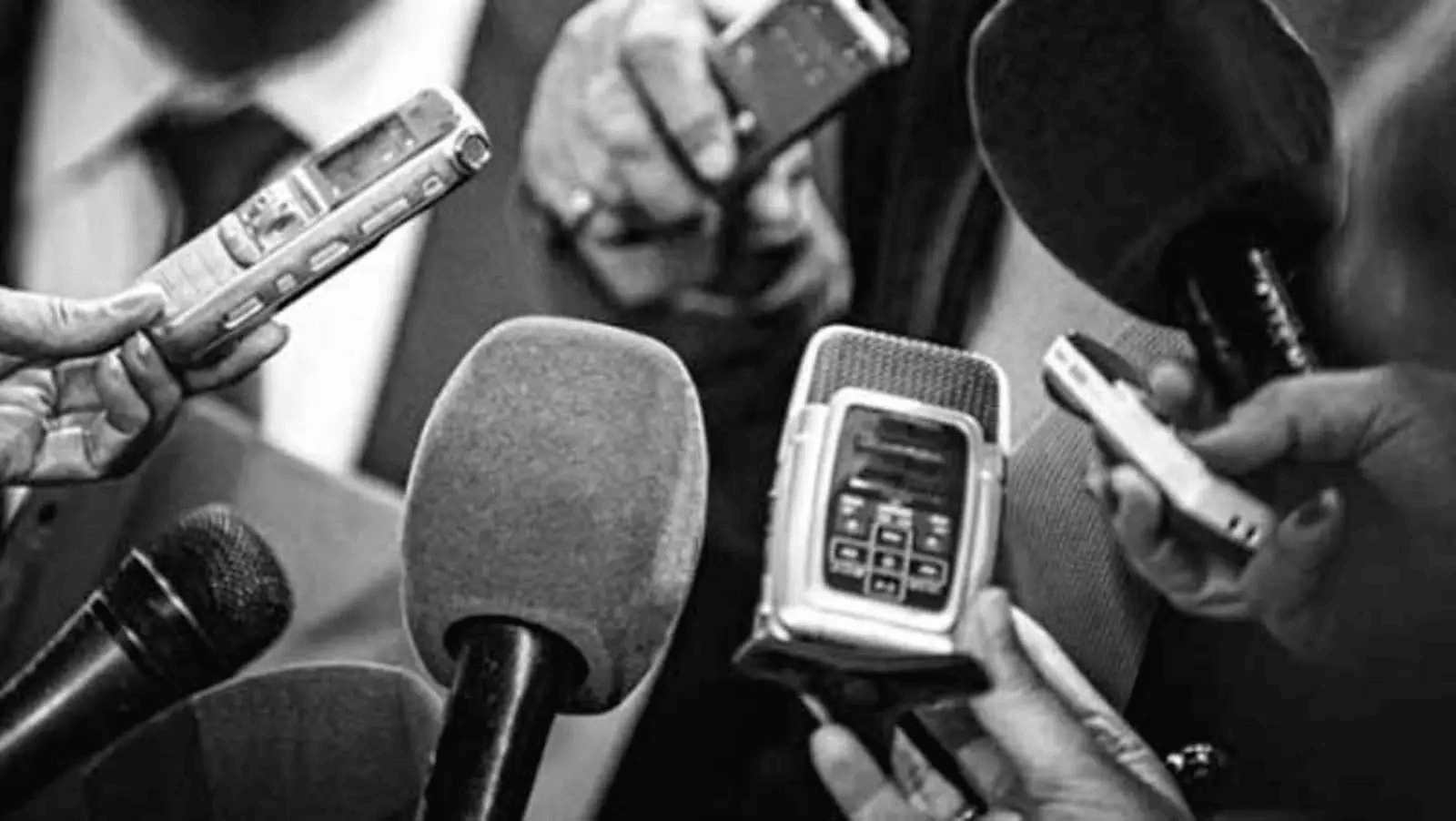
The Committee to Protect Journalists is urging Cameroonian authorities to free George Lekeaka. He has been held without contact since Monday for sharing a photo of security officers on patrol during clashes with separatist fighters.
"George Atabong Lekeaka should not have been arrested for trying to give the public information about security. He should not be secretly detained without a lawyer or access to his family, which violates his rights," said Moussa Ngom, CPJ’s representative for Francophone Africa. "Cameroonian authorities must reveal Lekeaka’s location, release him, and stop targeting journalists covering the Anglophone crisis."
The Anglophone crisis started in 2016. It began with protests by lawyers and teachers against the appointment of French-speaking officials in the English-speaking Northwest and Southwest regions. This led to a harsh government response and a secessionist rebellion.
On August 10, Lekeaka posted a photo of a soldier and a police officer on patrol in Buea, a city in the southwest. He shared this on the Facebook page All-About-Cameroon, where he is a contributor. The page’s admin spoke to CPJ on the condition of anonymity because of fear of retaliation.
“Serious gunfire exchange between the military and the ‘boyses’ at mile 18 Buea, please stay home and stay safe,” the post warned, using a nickname for the separatists.
A few hours later, Lekeaka was detained after he identified himself to soldiers searching the area where the photo was taken. This information comes from a habeas corpus document reviewed by CPJ, which was filed by his lawyer Emmanuel Aleambong Nkea to get the journalist to court.
The court document includes a witness statement. This witness was taken to a military assembly point with Lekeaka after his arrest.
“The arresting officers did not tell me where they were taking him. They told me to leave immediately or I could go with him, so I left,” said the witness, who CPJ is not naming for safety reasons.
On Friday, Nkea told CPJ he could not find out where Lekeaka was after visiting various local gendarmerie and military headquarters.
Violence broke out in Buea on Monday as separatists tried to enforce their weekly “ghost town” protest. This is when businesses and activities in the Anglophone regions are supposed to shut down, according to Xinhua news agency.
Reporting in Cameroon’s Anglophone regions is very risky. Journalists often face intimidation or long prison sentences for charges like secession, insurrection, and spreading false news. In 2019, Samuel Wazizi, a journalist based in Buea, died in government custody two weeks after his arrest related to his critical coverage of the conflict.
As of CPJ’s prison census on December 1, three of the four journalists in prison in Cameroon have spent more than nine years behind bars for reporting on the Anglophone crisis. They have been imprisoned longer than any other journalists in sub-Saharan Africa, except those in Eritrea.
CPJ reached out to several officials for comments, including Cyrille Serge Atonfack Guemo, head of the Defense Ministry’s communications division; Bernard Okalia Bilai, governor of the Southwest region; Engelbert Viang Mekala, Senior Divisional Officer for Fako, where Buea is located; and Martin Mbarga Nguélé, delegate general for national security. None responded.
Loa Hebga Agai, the regional delegate for national security, asked CPJ which unit made the arrest but did not reply to further messages.
Comments
No comments yet.