Cement Prices in Nigeria Higher Than in Kenya and Tanzania, FCCPC Investigates
The FCCPC is investigating Nigeria's cement market due to rising prices. Their findings reveal prices are higher than in Kenya and Tanzania.
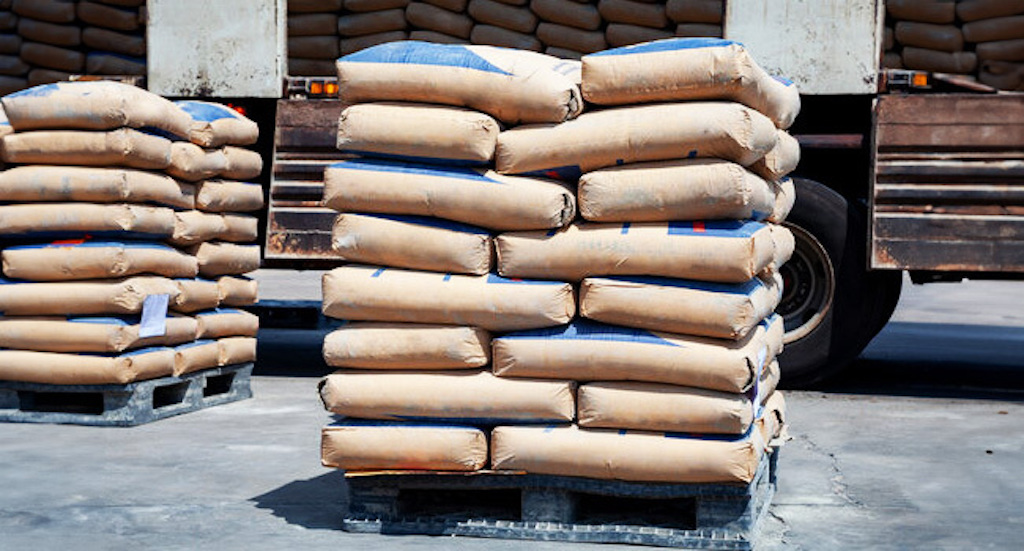
The Federal Competition and Consumer Protection Commission (FCCPC) is looking into Nigeria's cement market. Their early findings show possible price manipulation in the sector.
This investigation started after many people complained about the increasing cost of cement. Cement is a key material in Nigeria's construction industry. The FCCPC is now checking if the prices consumers pay make sense based on the current market conditions.
On Tuesday, the FCCPC released a statement. Their Anticompetitive Practices Department has been working on this investigation for three months. They also studied cement markets in Kenya, Tanzania, South Africa, Egypt, Morocco, Algeria, and Togo.
The study looked into factors like the availability of limestone, population sizes, production capacity, and domestic demand for cement.
The FCCPC found that cement prices in Nigeria are higher than in some of the other countries they studied. The commission stated that a 50kg bag of cement, which cost between N9,300 and N9,700 in January 2026, jumped to between N10,500 and N13,000 by mid-year.
"By July, prices of between N13,000 and N15,000 were reported in some parts of the country," the commission noted.
This sharp rise in prices affects more than just the cost of a bag of cement. Cement is essential for building homes and infrastructure. If prices keep rising, this can affect the overall cost of construction for houses, businesses, and public projects.
The FCCPC expressed concern over this price trend, especially since Nigeria has large limestone deposits and a good cement production capacity. They estimate Nigeria's cement production at between 60 million and 65 million metric tonnes each year. Domestic consumption is around 25 million to 30 million metric tonnes.
Nigeria also exports cement to nearby countries. In 2024, Nigeria exported about 315,432 tonnes of Portland cement, with Togo, Cameroon, and Niger being some of the destinations, according to World Bank trade data.
The country’s production capacity is enough to meet local needs and supply some neighbouring markets. In 2025, Dangote Cement, one of Nigeria's main producers, reported exporting clinker, a material used in cement production, to Ghana and Cameroon. This shows Nigeria's role as a supplier in the regional cement market, even with rising prices for local consumers.
The FCCPC pointed out that normally, a big difference between production capacity and local demand would lead to lower prices in a competitive market. They are exploring why this extra capacity has not resulted in cheaper prices for Nigerians.
As part of their investigation, the FCCPC compared Nigeria's cement market with those of several other countries. In Kenya, with about 58.6 million people, domestic cement demand was around 9.3 million metric tonnes in 2025. A 50kg bag of cement sold for about $5.40, which is around N7,344 based on the exchange rate used in the study.
In Tanzania, with a population of about 66.3 million and a similar demand of 9.3 million metric tonnes in 2025, a bag sold for about $4.80, or N6,528. Both countries have limestone deposits, which are crucial for making cement.

The FCCPC also looked at Togo, where a bag of cement sold for about $6.75, or N9,180, even though the country lacks limestone deposits.
These comparisons will help the FCCPC see if differences in production costs and other valid market conditions can explain the varying cement prices.
The commission said most major cement companies in Nigeria cooperated with the investigation, except for one. Estimates suggest that three major companies account for over 90 percent of Nigeria's cement production capacity.
Industry players mentioned costs for energy, the naira's fall affecting imported machinery, and transportation costs as reasons for the high cement prices. The FCCPC is checking these claims against verified data on production costs, pricing, capacity use, and current market conditions.
The commission said their early findings are enough to continue the investigation. The next step will determine if the current cement prices are due to real costs and market conditions or if there is evidence of coordinated actions, market power abuse, or other unfair practices.
The FCCPC has sent Notices of Commencement of Investigation and Summons to Produce to key industry players. These companies must provide information on their pricing, production levels, capacity use, exports, and commercial relationships.
This investigation is part of the FCCPC’s duty under the Federal Competition and Consumer Protection Act 2018. They aim to promote fair markets and protect consumers. Recently, they also reviewed airline fares and found possible price manipulation during the 2025 festive period.
For the cement investigation, the FCCPC will use the companies’ records to check if the price increases are in line with genuine cost changes or if other practices are affecting supply and prices.
Tunji Bello, the Executive Vice Chairman of the FCCPC, said this investigation is essential because cement is key to the Nigerian economy. "Cement occupies a strategic place in the Nigerian economy. Its price affects the cost of building a home, developing commercial property, delivering public infrastructure, and, ultimately, the cost of doing business," Mr Bello explained.
He added that the FCCPC's role is not to set prices or stop companies from making profits. "Businesses can make legitimate decisions and earn returns on their investments. Competition law does not prevent that," he said.
Mr Bello stated that the goal of competition regulation is to ensure genuine competition determines prices, production, and market outcomes instead of unlawful actions that limit competition. The FCCPC said its investigation will carry on until they make a final decision on whether Nigeria's competition laws have been violated.





Comments
No comments yet.