Concerns Rise Over Late Delivery of Election Materials in Osun
Yiaga Africa is concerned about the late movement of election materials for the Osun State governorship election, which could disrupt the voting process.
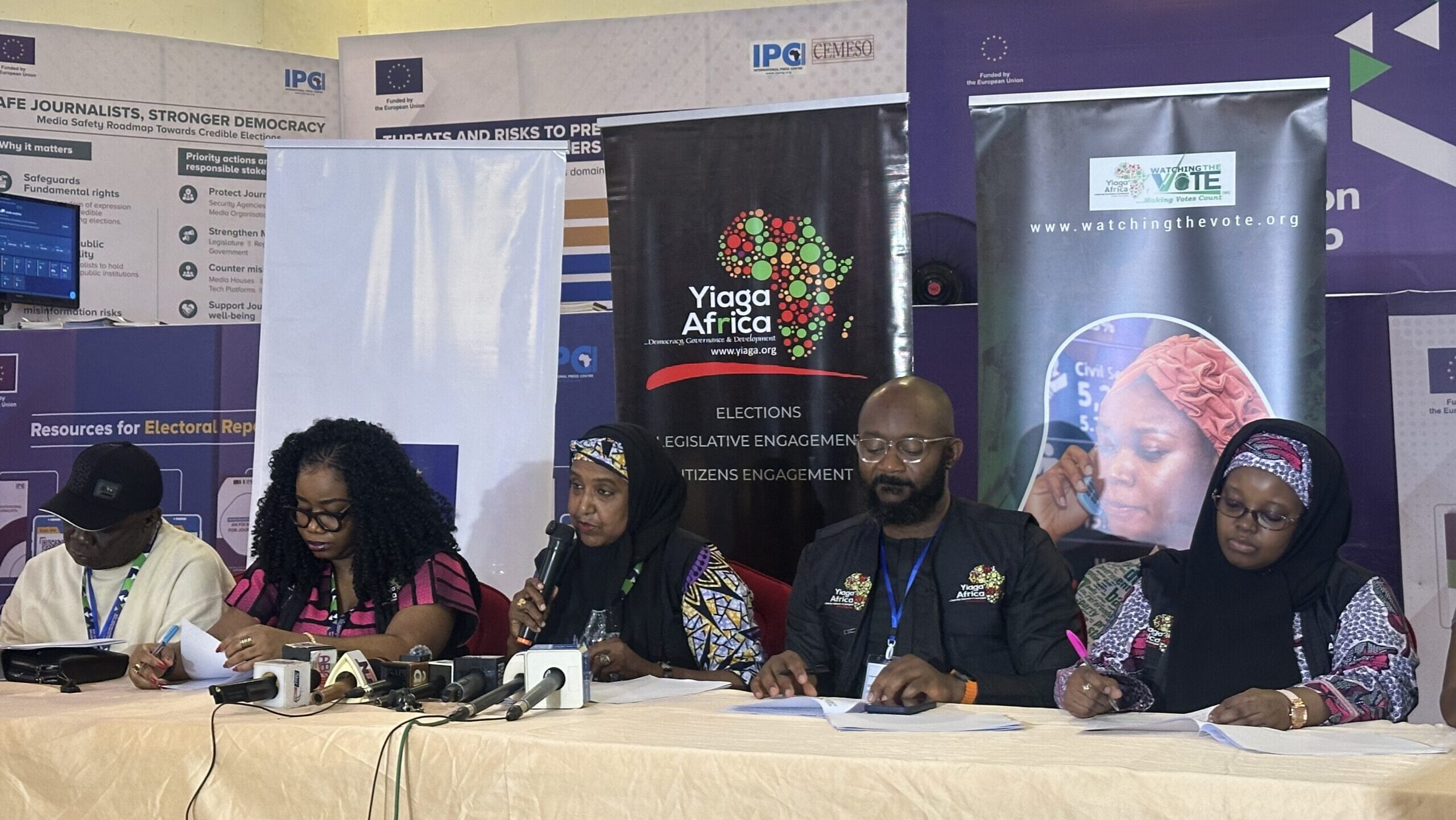
Election observer group, Yiaga Africa, is worried about the late movement of important election materials for Saturday’s Osun State governorship election. They said this delay could cause serious problems for how the election is run.
Yiaga Africa believes the situation calls for more security, better supervision, and backup plans. This way, the new ballot papers and result sheets can reach the 30 local government areas on time and be distributed properly to polling units before voting starts.
Samson Itodo, the Executive Director of Yiaga Africa, shared these concerns on Thursday during a pre-election briefing in Osogbo, the capital of Osun State.
His warning follows the Independent National Electoral Commission (INEC) needing to reprint ballot papers and result sheets due to the late addition of the Social Democratic Party (SDP) candidate, Francis Ajala, to the ballot.
INEC stated that the new materials would arrive in Osun on Thursday, 13 August, for distribution across the state.
"The Commission wishes to inform the public that the reproduced ballot papers will arrive in Osun State on Thursday, 13th August 2026, and will, same day, be moved to local government area offices across the state, in line with its standard distribution procedure ahead of the election," Mohammed Haruna, INEC’s National Commissioner, said in an earlier statement.
This situation has now shortened the time for sorting and distributing the sensitive materials before Saturday’s election.
Mr Itodo said the delay has disrupted INEC’s original logistics plan and might force the transportation of materials at night in a tense security situation.
"If as of this morning the revised materials have not arrived, and INEC has issued a statement to the effect that it will come in later, it has disrupted the logistics arrangement," he explained.
"We anticipate, and we are concerned that unless extra measures are taken to ensure those materials get to the local government and their rights get activated early enough, then we might face challenges."
Mr Itodo noted that the timing of the materials’ arrival is particularly worrying because elections usually require daylight movement and enough preparation time.
He called on security agencies to provide more protection for election materials and staff during the movement.
Earlier, Asmau Maikudi, Chairperson of the Osun Election Observation Mission for Yiaga Africa, said this election is a key test for INEC's readiness, the professionalism of security agencies, the behavior of political parties and candidates, and the determination of voters.
She pointed out that this election is the last major governorship election before the 2027 general elections and will help assess the new rules introduced under the Electoral Act 2026.
These rules include using downloadable Permanent Voter Cards (PVCs) for accreditation and implementing INEC’s regulations on electronic EC8A results and validating polling-unit results.
According to her, INEC’s preparations have progressed well, including PVC distribution, recruiting and training election officials, mock accreditation, BVAS configuration, and engaging stakeholders.
But Mrs Maikudi, a former INEC Resident Electoral Commissioner, said the real test would be how things go when voters arrive at polling units.
She insisted that INEC must avoid being careless and prepare for possible problems, especially with logistics, technology, and results management.
"Security agencies have a big responsibility to show neutrality, professionalism, and restraint. They must secure the election without getting involved," she said.
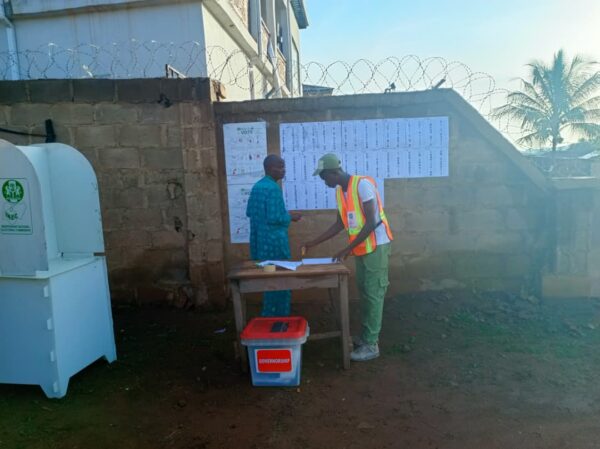
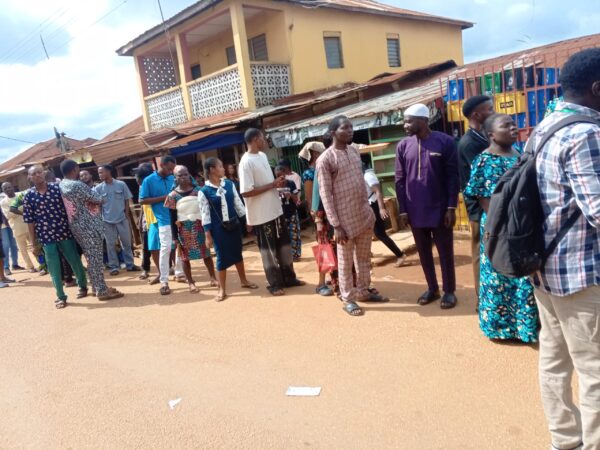
Yiaga reported that INEC will deploy 4,427 BVAS devices across 3,763 polling units in the 30 local government areas.
A total of 2,339,233 registered voters can take part in the election.
Mrs Maikudi also expressed worries about the BVAS system during INEC’s mock accreditation exercise.
She mentioned that some devices struggled to recognize voters’ fingerprints, facial features, and older PVC records.
INEC said the facial verification issues were due to a high compatibility threshold affecting older voter data, especially records that had not been revalidated.
These technical issues need fixing before Saturday because continued failures could lead to disenfranchisement, delays, and tension at polling units.
"If unresolved, these failures could disenfranchise eligible voters, create tension at polling units, and harm confidence in the election's credibility and legitimacy," she added.
Beyond logistics, Yiaga Africa also pointed out that voter inducement is another major risk to the election’s integrity.
Their observers have seen political actors giving out money and gifts. Some of these actions were framed as social support, but the timing raises concerns about trying to sway voters.
Mrs Maikudi urged political parties, candidates, and their supporters to stop vote buying and practices that threaten ballot secrecy.
She called for better cooperation between security agencies, the Economic and Financial Crimes Commission (EFCC), and the Independent Corrupt Practices and Other Related Offences Commission (ICPC) to catch and punish those trying to buy votes.
To monitor the election, Yiaga Africa will use its Watching the Vote method with two systems.
The first is its Process and Results Verification for Transparency (PRVT), previously known as Parallel Vote Tabulation. The group will send out 300 stationary observers to a random selection of polling units and 32 mobile observers to cover all 30 local government areas.
The observers will gather data on accreditation, voting, and counting and send the information for an independent review of the election.
The second system is the Election Result Analysis Dashboard 2.0, known as ERAD 2.0. This platform will track and audit polling-unit result sheets uploaded by INEC to its Election Results Viewing portal.
Yiaga Africa said ERAD will not collect results or announce a winner. Instead, it will check the availability, accessibility, timeliness, and completeness of uploaded EC8A result sheets.
The organization will also provide an independent review of INEC’s electronic results management system.
The Osun election will be a significant test of whether the new changes and technology in Nigeria’s electoral system can handle the challenges of a closely contested election.


Comments
No comments yet.