Court delays ruling on 57 properties linked to Malami
The Federal High Court has postponed its ruling on 57 properties connected to Abubakar Malami. The new judgement date is set for July 10.
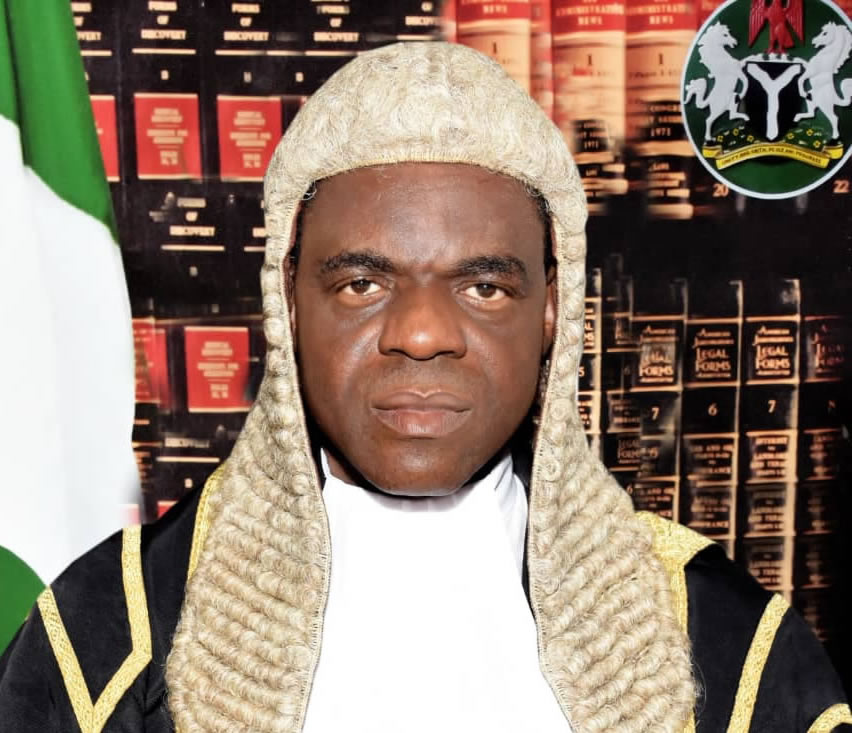
The Federal High Court in Abuja has postponed its ruling on a case involving 57 properties connected to former Attorney General Abubakar Malami, his family, and associates. The court, which was supposed to give its verdict on Monday, has now set Friday, 10 July, as the new date for the judgement.
The Economic and Financial Crimes Commission (EFCC) announced the postponement in a statement on Monday. This was originally the date Judge Joyce Abdulmalik planned to deliver her decision. The judge had chosen the original date of 6 July in May after hearing arguments for and against the forfeiture request.
The EFCC did not provide any reason for the delay. During the hearing on 26 May, the court had adjourned for judgement after listening to Mr Malami and others who claimed legitimate interests in the assets.
The EFCC is asking the court to finalize the forfeiture of these properties to the federal government. This follows an earlier order for interim forfeiture from the court. The commission is also prosecuting Mr Malami and his relatives on money laundering charges related to the alleged illegal acquisition of assets in a separate case.
The EFCC claims that the properties under interim forfeiture orders are proceeds from Mr Malami's unlawful activities. In the May hearing, the prosecution lawyer Jibrin Okutepa, a Senior Advocate of Nigeria (SAN), filed a motion requesting the final forfeiture of the listed assets. This application included a 47-paragraph affidavit with 46 attached documents.
Adedayo Adedeji, the lawyer for the respondents, who is also a SAN, filed a motion on 27 February, supported by a 109-paragraph affidavit sworn by Mr Malami. Mr Adedeji asked the court to not only dismiss the earlier interim order but also to rule that the properties "were not acquired from proceeds of crime" and should not be forfeited to the federal government.
In response, Mr Okutepa maintained that his application, which was backed by a 77-paragraph counter-affidavit filed on 5 May and supported by 80 documents, showed that Mr Malami and the other respondents had "woefully failed to show cause" that the properties were acquired legitimately. He asked the court to order the forfeiture of the properties to the federal government.
Mr Adedeji countered by arguing that the counter-affidavit was "incompetent" and "unknown to law." He stated that the EFCC relied on "suspicion" to claim that the properties were acquired with money from crime. He emphasized that the court should base its decision on evidence, not suspicion.
Mr Adedeji also argued that the prosecution was using "extra judicial evidence" that is usually meant for cross-examination in criminal trials as evidence in this case. He said the court could not make a proper decision without oral evidence, which the court had previously refused.
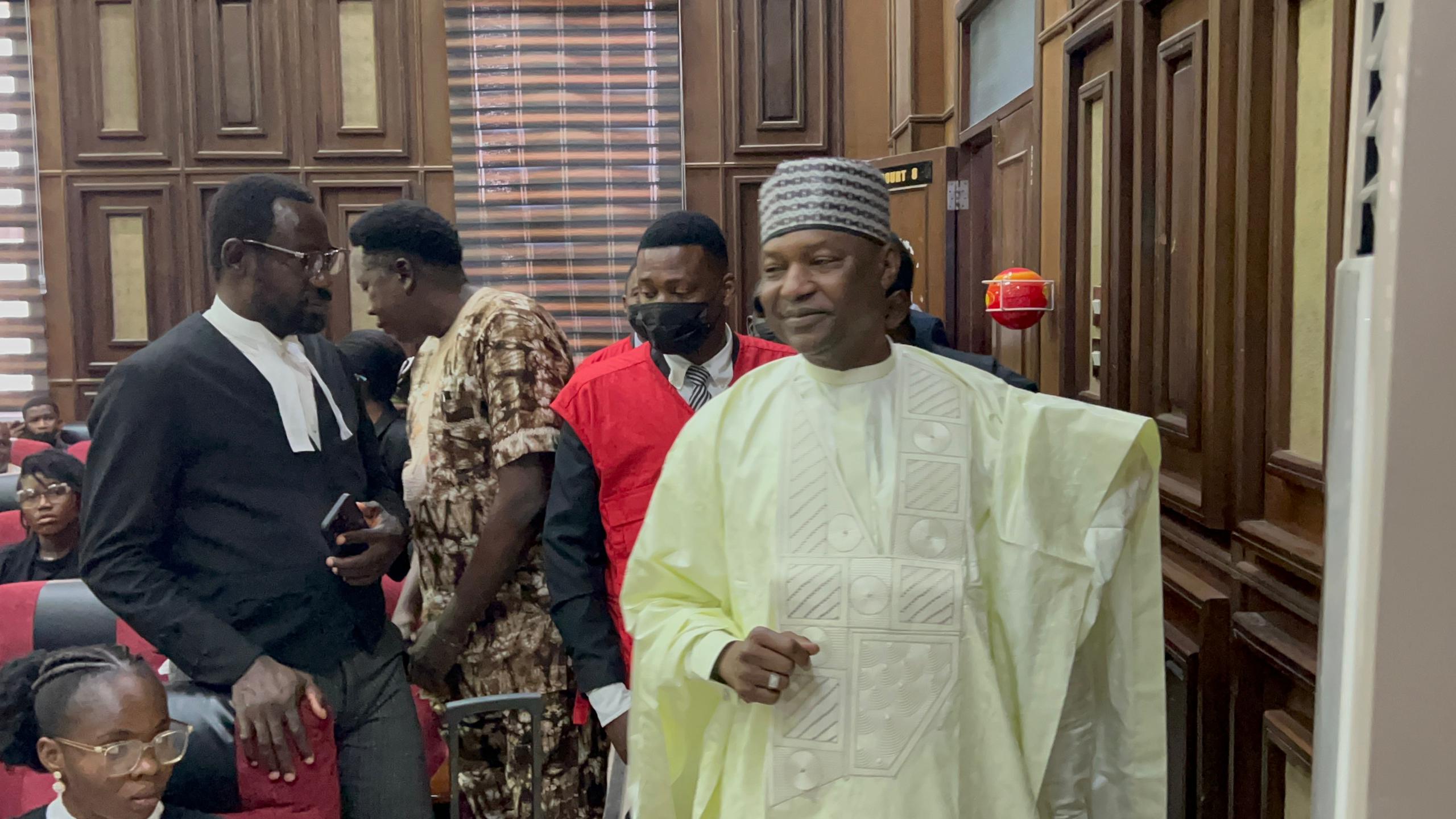
He insisted that the properties, some of which were acquired before Mr Malami took office, "were not proceeds of crime." The respondents' lawyer also presented various counter-affidavits on behalf of other respondents and companies involved, urging the court to reject the forfeiture request. All efforts were aimed at showing that the properties were "legitimately acquired."
Lawyers representing other individuals and companies seeking to contest the forfeiture also urged the court to dismiss the final forfeiture application "in the interest of justice," while the prosecution asked the court to reject their counter-affidavits. After all parties presented their arguments, the judge postponed the case until 6 July for ruling and judgement, which has now been rescheduled for Friday.
Background
PREMIUM TIMES reported that 57 assets seized from Mr Malami, valued at N212.8 billion by the EFCC, are currently under an interim forfeiture order from the Federal High Court in Abuja. In early January, the court issued this interim order after the prosecution informed Judge Emeka Nwite, who was handling the case at the time, that the assets were proceeds of illegal activities.
The multi-billion naira properties, mostly luxury residential and commercial buildings, are located in Abuja, Kebbi, Kano, and Kaduna states. Mr Malami insists that he acquired these assets legally. The case was later transferred to Judge Abdulmalik after the court vacation.
On 21 April, the prosecution informed Judge Abdulmalik that the lead lawyer for the respondents had an engagement at the Court of Appeal. The judge stressed the importance of sticking to court rules. She pointed out that the interim forfeiture order had been published with a 14-day notice for interested parties to show cause.
She ordered all parties and interested persons to file and serve their processes by 27 April. The judge also warned lawyers against any actions aimed at delaying the case.
Get more stories like this on your home page
How this story developed
Court delays ruling on 57 properties linked to Malami (this story)
- Court delays ruling in case over properties linked to Malami
- Court Orders Final Forfeiture of 48 Properties Linked to Malami





Comments
No comments yet.