Court Shows El-Rufai's Interview Video as Lawyer Testifies in Phone-Tapping Case
Deji Adeyanju testified as a witness in the phone tapping case against Nasir El-Rufai. The court played a video of El-Rufai's interview discussing the NSA.
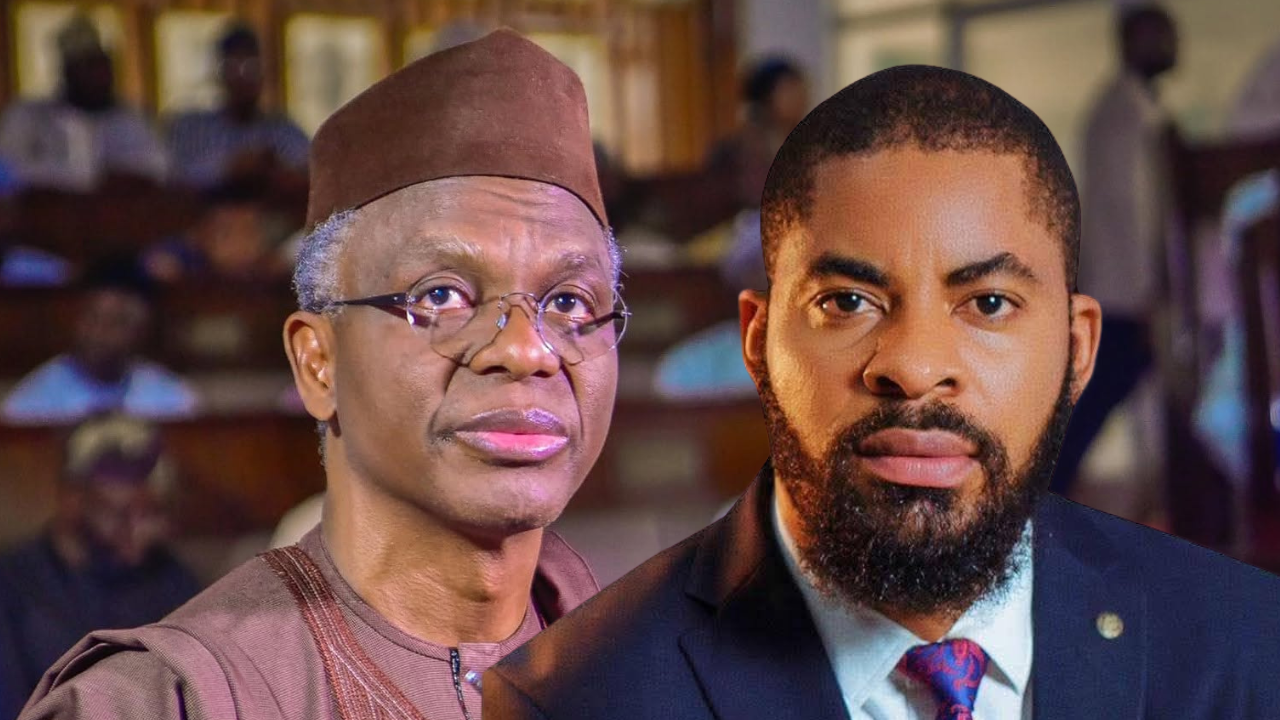
A lawyer, Deji Adeyanju, testified on Monday as the second witness in the phone tapping case against former Kaduna State Governor Nasir El-Rufai. He appeared before Judge Joyce Abdulmalik at the Federal High Court in Abuja. After the court played a recording, Mr Adeyanju said the video showed what he saw during the 13 February programme. In that programme, Mr El-Rufai talked about intercepting a phone call of the National Security Adviser, Nuhu Ribadu.
Mr Adeyanju, known for his comments on public issues, described Mr El-Rufai as “a very popular politician and former governor of Kaduna State.” The State Security Service (SSS) brought the charges against Mr El-Rufai in February. He had claimed during an Arise Television interview that he listened to a phone call involving the NSA, Mr Ribadu.
Mr El-Rufai said the NSA ordered security agents to arrest him. He connected this order to an incident at Nnamdi Azikiwe International Airport on 12 February, after returning from Cairo, Egypt. The SSS charged Mr El-Rufai on 23 April with five counts of illegally intercepting Mr Ribadu’s phone call. He pleaded not guilty and got bail set at N100 million.
The trial started in May. The first prosecution witness, called APC, said security agents monitored the TV programme and saved the recording for their investigation. On Monday, Mr Adeyanju showed the subpoena that summoned him to court. The prosecution lawyer, Oluwole Aladedoye, a Senior Advocate of Nigeria (SAN), asked to submit the document as evidence. Mr El-Rufai’s lawyer, Paul Erokoro, also SAN, did not object.
Judge Abdulmalik accepted the document and marked it as Exhibit G. Under questioning by Mr Aladedoye, Mr Adeyanju recalled reports on 12 February about Mr El-Rufai being either arrested or invited by security agencies. He said that before the interview leading to the charges, he publicly urged Mr El-Rufai to come forward for questioning, saying it was not politically driven.
Mr Adeyanju told the court that Arise Television invited him to the programme on 13 February, the same day Mr El-Rufai gave the interview that led to the charges. “I went to Arise, and El-Rufai was also on the show. My segment came after his. During his interview, I listened to him speak on many issues, and I countered many of the things he said because they were not true or were half-truths,” he said.
The prosecution lawyer then asked for the video of Mr El-Rufai's interview to be played in court. The court agreed, and the same video shown during the first witness's testimony was played again. PREMIUM TIMES reported that during the earlier hearing on 18 May, Mr El-Rufai said, “the government used to listen to our calls” and “someone tapped the National Security Adviser’s phone call” and told him about an order for his arrest.
After the video replayed on Monday, Mr Adeyanju confirmed it showed what he “witnessed on 13 February.” The prosecution then sought to submit Mr Adeyanju’s own recorded interview with the same anchor, Charles Aniagolu, along with a certificate of compliance. The court accepted the flash drive and the certificate, marking them as Exhibits H and H1, after no objection from Mr El-Rufai’s lawyer.
In the video, the anchor, Mr Anyagolu, asked Mr Adeyanju if he thought the government really wanted to arrest Mr El-Rufai. Mr Adeyanju said the SSS would have arrested him at the airport if that was their plan. He pointed out that the ICPC was already looking into Mr El-Rufai at that time.
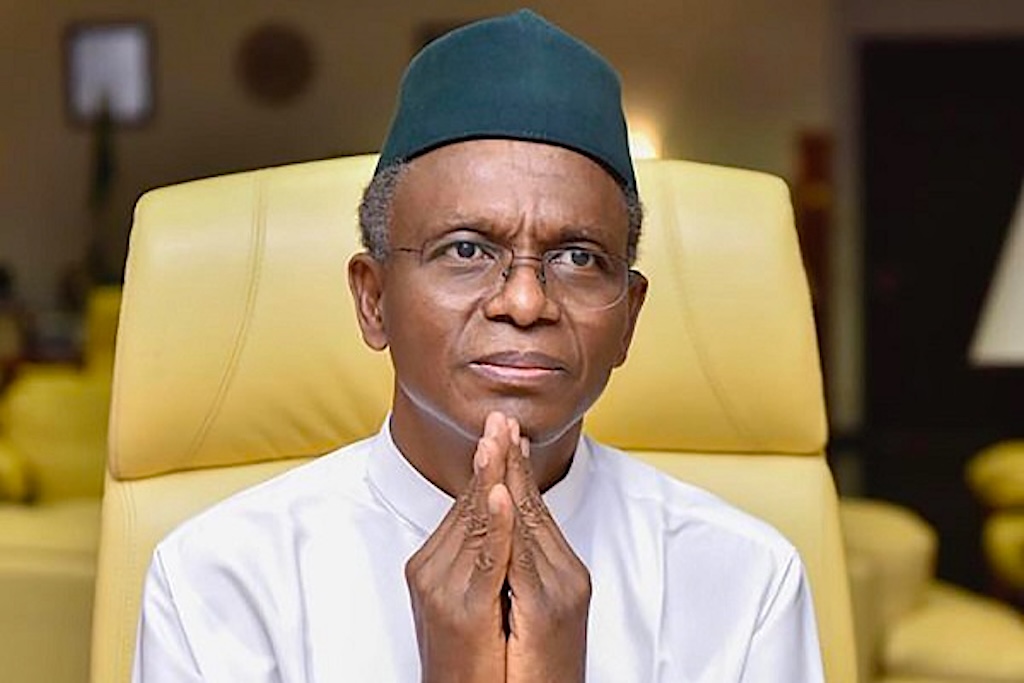
When asked if Mr El-Rufai had said he would respond to an EFCC invitation, Mr Adeyanju maintained he did not think an airport arrest was likely. “I don’t think so, knowing the kind of person that he is,” he said. He explained that the SSS might have met Mr El-Rufai at the airport because he was already on a watch list. “So once your name is there, the first thing is to confiscate the passport,” he said.
He added that no one was being unfairly targeted, insisting that any view on persecution should compare current events with Mr El-Rufai’s time as governor. He also said Mr El-Rufai should face investigation for alleged corruption before any prosecution. “So he can defend himself in court,” he said.
Mr Adeyanju further stated in the video that “the oppressor of yesterday cannot suddenly become the hero of today,” referring to the demolition of properties belonging to political opponents during Mr El-Rufai’s time. He claimed Mr El-Rufai is a violator of human rights, saying he “showed no remorse” for actions taken during his governorship and described Mr El-Rufai’s current situation as “karma.”
After the video ended, Mr Adeyanju explained in court that he received a message from the SSS instructing him to come to their office. He said he complied and later “reluctantly made a statement.”
“I confirmed that El-Rufai said that someone tapped and gave him the information. I put all that into writing,” he said. He was shown his statement, marked as Exhibit E, which he confirmed.
During cross-examination, defence lawyer Mr Erokoro asked if Mr Adeyanju heard Mr El-Rufai say in the video that he tapped a phone call. Mr Adeyanju replied that Mr El-Rufai said “we listened to their calls.” When asked if it would not be tapping if someone speaks on speaker phone and others hear it, Mr Adeyanju said he would report it since he did not know how it was hacked.
The prosecution objected to this line of questioning, but the defence argued it was relevant to the witness’s testimony. Mr Adeyanju said if he had been there when a phone conversation was played on speaker, he would not have lied about it. He did not know if the NSA made calls in a way that others could hear.
Mr Erokoro suggested it would be surprising if the NSA could identify which device was hacked. Mr Adeyanju said he had no opinion on that. He added he only came to court because he was summoned and had “no choice.” After the testimony, Judge Abdulmalik adjourned the case until Tuesday (23 June) for the trial to continue.

Comments
No comments yet.