Ebola Outbreak in DRC Now Second Largest Ever Recorded
The DRC's Ebola outbreak has reached alarming levels, becoming the second largest on record. WHO warns of rapid spread and unknown transmission chains.
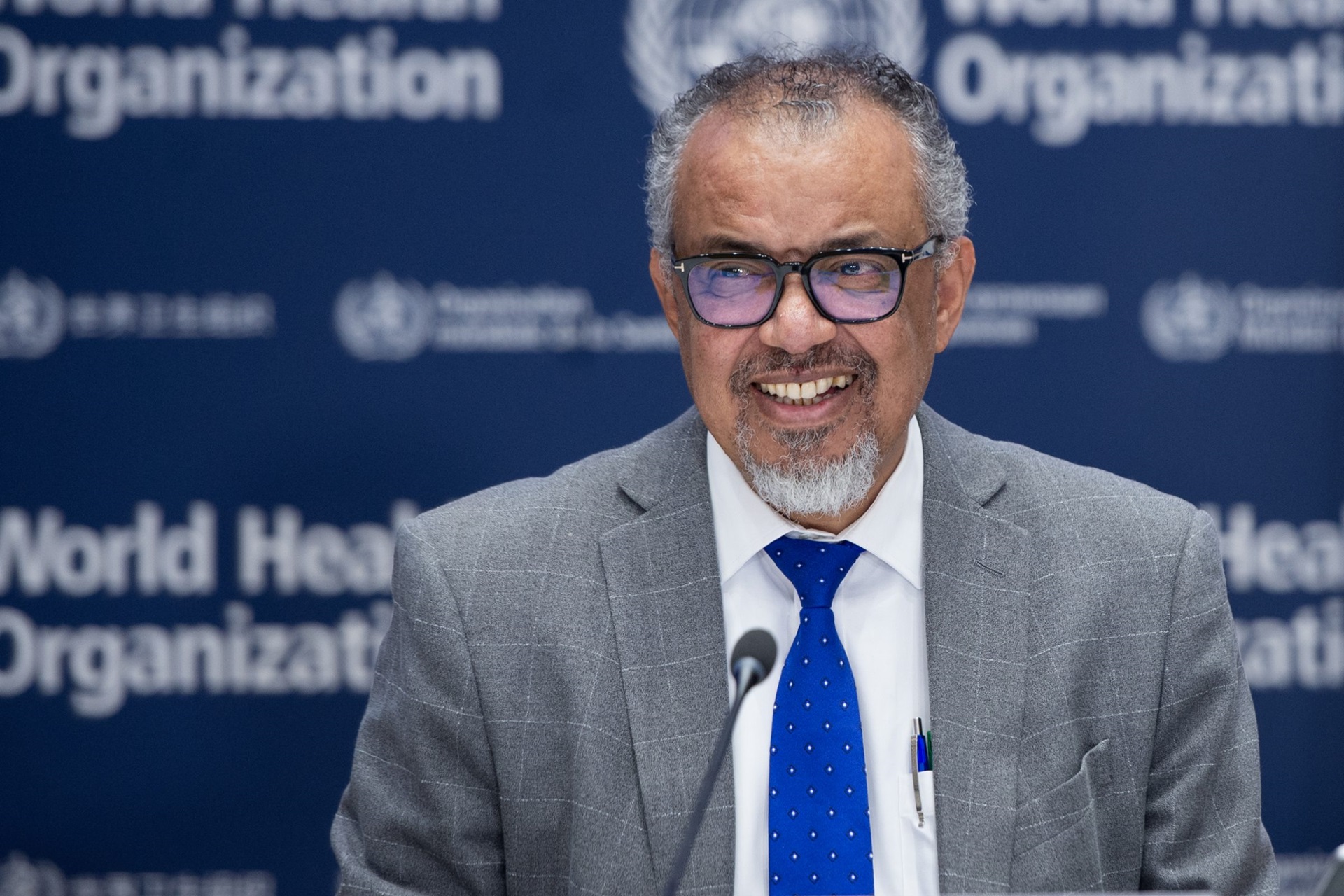
The Ebola outbreak in the Democratic Republic of the Congo (DRC) has now become the second-largest ever, according to the World Health Organisation (WHO).
The DRC has reported 4,449 confirmed cases and 2,061 deaths across five provinces and 53 health zones.
In a video posted on X on Wednesday, WHO Director-General Tedros Ghebreyesus stated that the outbreak is spreading faster than any previous Ebola outbreak at this stage. He warned it might soon surpass the 2014-2016 West African outbreak.
The West African outbreak, which hit Guinea, Liberia, and Sierra Leone, remains the largest on record. It saw over 28,000 cases and 11,000 deaths.
Concerns About Transmission
Mr Ghebreyesus noted that many cases are being found in communities, not in treatment centres or known contact lists. This means some chains of transmission are still unknown.
“Most transmission happens when people have late-stage disease and are not in treatment, or when their body is handled after they have died,” he explained.
He stressed that early clinical care and safe, respectful burials are crucial to stopping the spread, and both depend on the trust of the affected communities.
The DRC government declared the outbreak on 15 May. Health officials believe the virus might have been spreading for two to three months before it was discovered.
A BBC report quoted WHO Regional Director for Africa, Mohamed Janabi, saying the virus may have begun spreading in February. Initial cases were thought to be malaria or typhoid.
The outbreak is linked to the rare Bundibugyo species of the Ebola virus. This strain has caused only two known outbreaks before, in 2007 and 2012.
Unlike the Zaire species responsible for many past outbreaks, there is no licensed vaccine currently approved for Bundibugyo virus disease.

WHO has suggested that Ervebo, a vaccine mainly used for Zaire ebolavirus, be tested against the Bundibugyo strain in a randomised clinical trial.
Response Being Increased
Mr Ghebreyesus mentioned that WHO and its partners are boosting their response. Authorities aim to trace at least 95 percent of contacts to help stop the spread.
They also expect to triple treatment capacity, targeting 3,000 beds within 12 weeks.
More than 21,000 community health workers have been trained. Treatment centres, safe burial teams, laboratories, and community engagement operations are active in the affected provinces.
According to the WHO, 886 patients have recovered from the disease.
The WHO hopes to control transmission within three months but warned this might not mean the outbreak is over.
Challenges in Treatment
According to the BBC, Mr Janabi said health workers are only reaching about 30 percent of cases due to insecurity in the affected area.
The UK’s Medicines and Healthcare products Regulatory Agency has approved the first human trials of a vaccine candidate for the Bundibugyo strain.
The WHO is also sponsoring a clinical trial in the DRC to see if two existing antiviral therapies can help Ebola patients survive.



Comments
No comments yet.