Edo State launches plan to fight online gender-based violence
Edo State has launched a policy framework to tackle online gender-based violence. The initiative aims to enhance prevention, reporting, and support for victims.
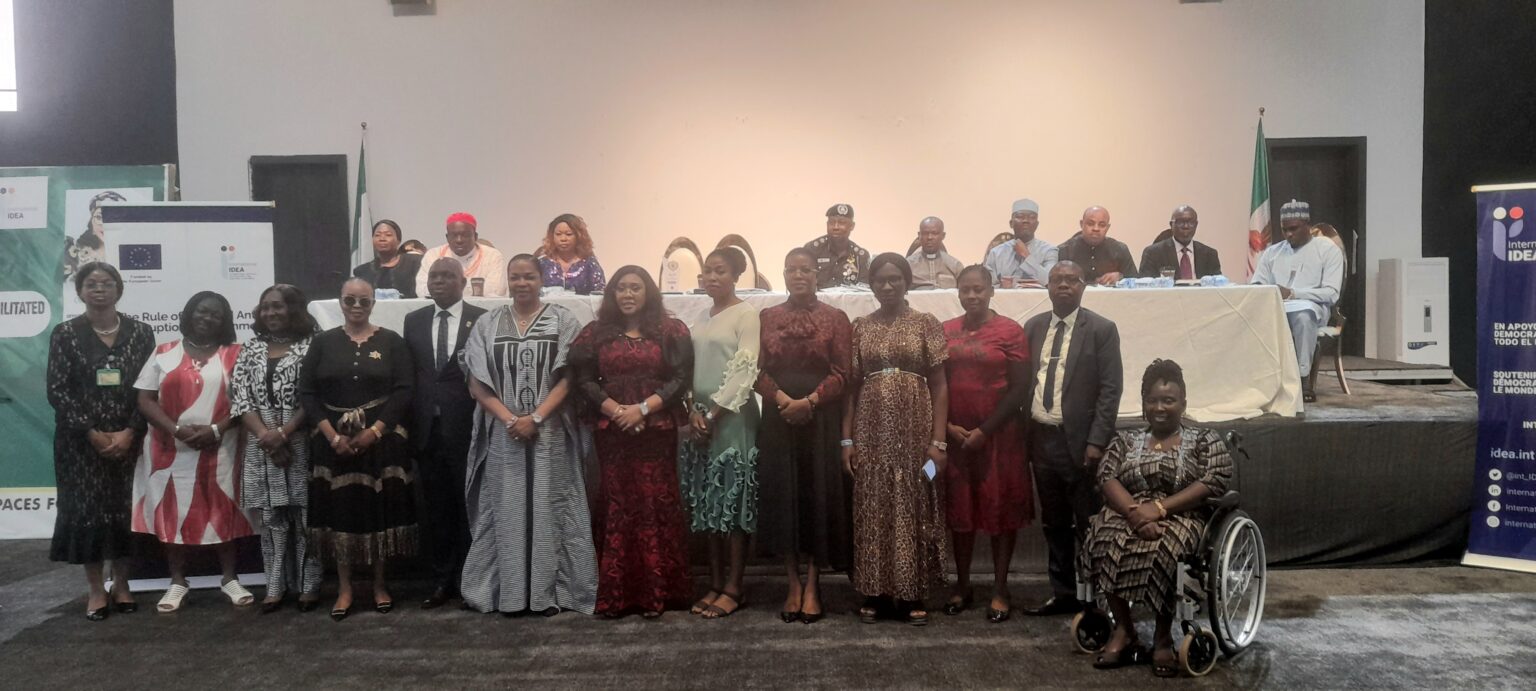
The Edo State Government has rolled out a new Policy Framework on Technology-Facilitated Gender-Based Violence (TFGBV). This is to boost prevention, reporting, protection, response, and accountability against digital abuse.
The policy was announced on Monday during the 17th Quarterly Meeting of the Edo Gender-Based Violence Management Committee in Benin City.
The meeting was organized by the Edo State Ministry of Women Affairs and Social Development together with the Rule of Law and Anti-Corruption (RoLAC) program.
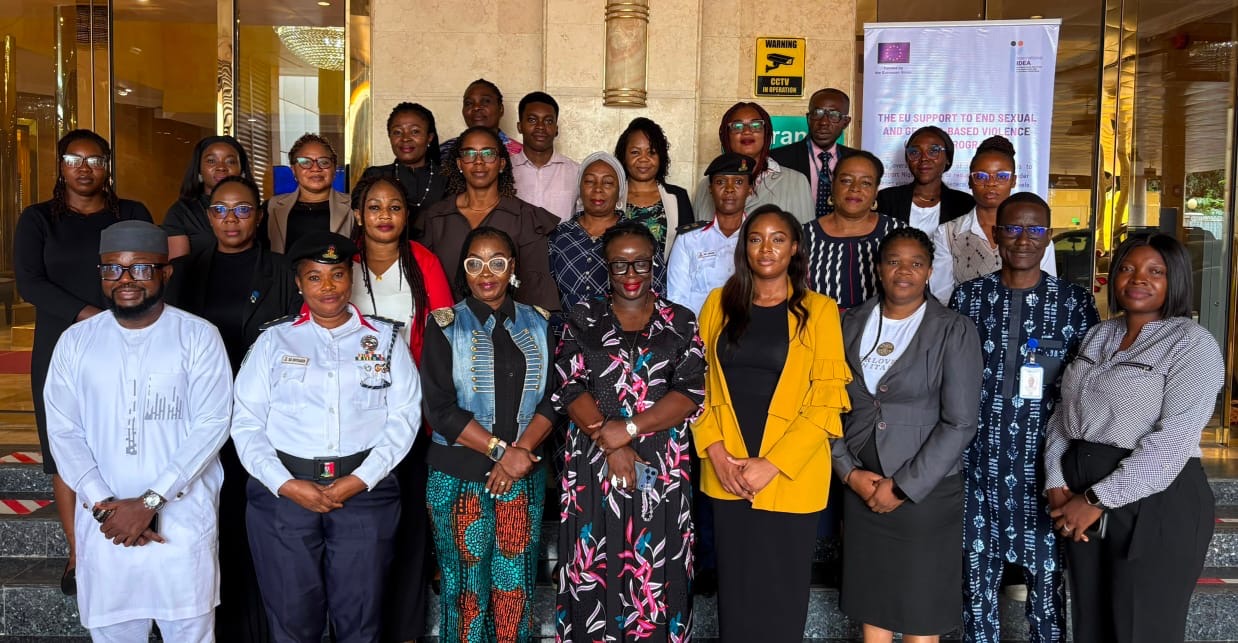
It brought together officials from the government, security agencies, the judiciary, health workers, development partners, civil society groups, and youth representatives to discuss GBV efforts and new forms of digital violence.
Edo’s commitment to safety
Edesili Okpebholo-Anani, the chair of the committee and coordinator of the Office of the Wife of the Governor, stressed the government’s dedication to creating a society free from violence, abuse, exploitation, and discrimination.
Okpebholo-Anani mentioned that the state’s GBV clubs in secondary schools aim to teach young people about their rights, healthy relationships, violence prevention, reporting methods, and support services.
She pointed out that educating young people early can help raise a generation that rejects violence and promotes positive social change.
Okpebholo-Anani noted that while technology has changed how we communicate, it has also opened up new ways for women, girls, and vulnerable people to face harassment, threats, stalking, cyberbullying, and other abuses.
She explained that the TFGBV policy offers a framework to improve prevention, protection, reporting, referrals, survivor services, response, and accountability.
Sub-committee for implementation
Okpebholo-Anani announced the creation of an implementation sub-committee to manage policy execution, track progress, identify challenges, and report back to the GBV Management Committee.
She encouraged members to improve referral pathways, survivor services, data systems, prevention programs, community involvement, and accountability mechanisms.
The chairwoman thanked RoLAC for its support, saying the partnership has helped enhance policies, institutions, and coordination to tackle GBV.
Eugenia Abdallah, the commissioner for women’s affairs and social development, noted that technology has changed how we communicate, learn, work, and interact, but has also opened new doors for gender-based violence.
Abdallah listed new forms such as cyberstalking, online sexual harassment, cyberbullying, threats, impersonation, identity theft, sharing intimate images without consent, sextortion, and exploitation through technology.
She called the policy a timely response to digital violence, saying it will boost digital literacy, raise public awareness, support learning in schools, and promote community engagement.
The commissioner added that the framework will set up friendly reporting, referral, evidence preservation, and support systems while enhancing digital investigation, prosecution, and protection for victims.
She said the policy also clarifies the roles of justice, social development, health, law enforcement, and other agencies while promoting collaboration with digital platforms and service providers.
Abdallah mentioned that this inauguration marks just the start of execution and urged stakeholders to ensure that technology is used for empowerment, inclusion, and development, and not for violence and exploitation.
Support from police
Patrick Daor, the newly appointed Commissioner of Police in Edo, promised the command's support for the state’s GBV response and efforts to fight technology-related crimes.
Mr Daor stated that the police command has received many complaints about cyberbullying, blackmail, and intimidation, highlighting the need for stronger cooperation among stakeholders.
“The use of technology should benefit everyone. But now you have people using it for bullying, blackmail, and intimidation. As commissioner of police, I get a lot of these complaints,” he said.
No blame for survivors
Cyril Oshiomhole, the Edo State Commissioner for Health, stressed that survivors of GBV should not be blamed for the violence against them.
Oshiomhole urged health facilities across the state to provide timely care to survivors and ensure they receive medical attention, psychosocial support, and other necessary services.
Charity Ebosele, representing the Commissioner for Justice, described GBV as a violation of human rights that should not be tolerated.
Ebosele said the policy is a significant step towards improving institutional responses to technology-related crimes and ensuring offenders are effectively prosecuted.
She added that the judiciary is committed to delivering justice for survivors and imposing appropriate penalties on offenders while handling cases with care.
Youth representative's remarks
Isabel Anani, a youth representative from UNICEF, called for more focus on cyberbullying among young people, especially in schools and universities.
Anani explained that peer bullying can be hard to spot since victims and bullies often interact within the same social groups, making it tough for adults to notice the abuse.
She asked for reporting systems that are friendly to youth and safer environments where young people can report digital abuse without fear.
Anani also highlighted the need for students to know about available online reporting channels and the confidentiality of such reports.
She pointed out that young people might hesitate to report when previous survivors who spoke out faced exposure or breaches of confidentiality, urging institutions to offer adequate protection.
The meeting called for more involvement of adolescents and young people in the implementation of the TFGBV policy since they make up a large part of digital platform users.
Stakeholders received copies of the Edo Policy Framework on Technology-Facilitated Gender-Based Violence, focusing on prevention, protection, response, accountability, and safer digital spaces.
The News Agency of Nigeria (NAN) reports that the document outlines measures for prevention, protection, response, referral, capacity building, data management, coordination, and monitoring, emphasizing survivors’ privacy, safety, and rights.
The implementation sub-committee includes representatives from relevant ministries, agencies, security organizations, the Sexual Assault Referral Centre, civil society groups, and the Joint National Association of Persons with Disabilities, among others.
Data, challenges, and suggestions
Earlier, the committee discussed issues from its last meeting, including an evaluation of the Uromi Sexual Assault Referral Centre by Faith Edobor, the manager of the Vivian Sexual Assault Referral Centre.
Ms Edobor, who conducted the evaluation with the ministry’s Gender Desk Officer, reported that the Uromi centre is operational but needs more public awareness, training, and adequate staffing.
She also suggested that there should be dedicated funds for operations, law enforcement support, and connections with local shelters for survivors needing temporary housing during investigations.
Ms Edobor noted that the centre has seen cases of child abuse and rape, mentioning that the low number of reported cases might be linked to a lack of public awareness.
She recommended regular training for staff and dedicated funding to help treat indigent survivors.
The committee also reviewed the need to strengthen survivor confidentiality, referral systems, inter-agency coordination, and access to justice.





Comments
No comments yet.