Edo State's Debt Jumps Under Okpebholo, Now Sixth Most Indebted in Nigeria
Edo State's domestic debt rose from N113 billion to N172.37 billion under Governor Okpebholo, moving it to the sixth most indebted state in Nigeria.
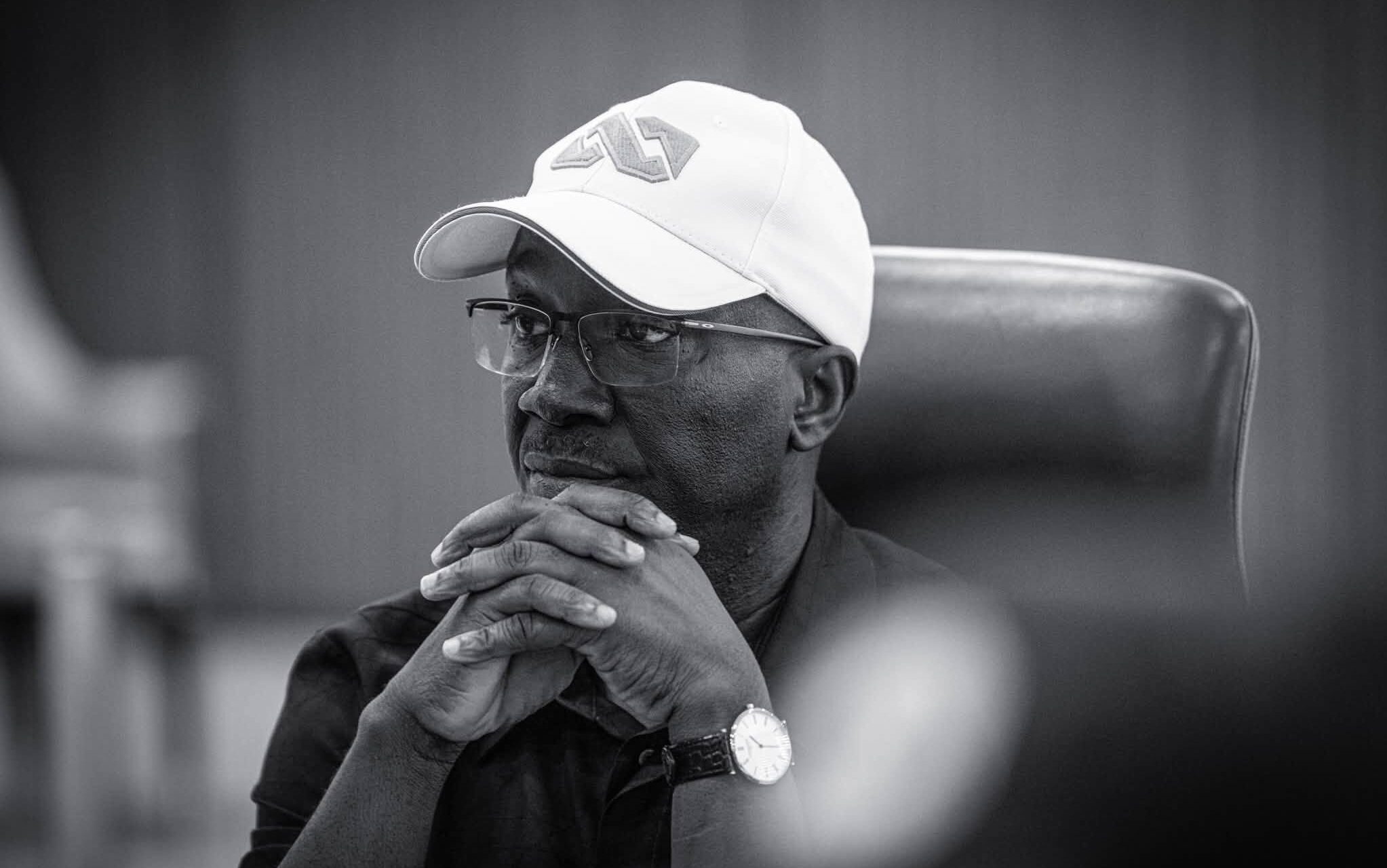
Edo State’s domestic debt has gone up sharply under Governor Monday Okpebholo. It rose from N113 billion at the end of 2024 to N172.37 billion by March 2026. This move pushed Edo from 12th to sixth among Nigeria’s most indebted states, according to the latest data from the Debt Management Office (DMO).
This increase follows a period when the debt had been falling in 2025. Edo’s domestic debt dropped from N113 billion in December 2024 to N76.13 billion by September 2025. However, it rose again to N91.18 billion by the end of that year.
The latest DMO data for the 36 states and the Federal Capital Territory shows that the debt increased by N81.19 billion between December 2025 and March 2026 alone. This is an 89 percent rise in just three months, placing Edo sixth in the domestic debt ranking by 31 March 2026.
Mr Okpebholo took office on 12 November 2024, succeeding Godwin Obaseki.
Debt Falls, Then Rises Again
When Mr Okpebholo became governor, Edo’s domestic debt was N113 billion as of 31 December 2024. This put the state in 12th place among the 36 states and the FCT.
The debt fell in each of the first three quarters of 2025. By 31 March 2025, it had dropped to N82.4 billion. It continued to decline to N80.32 billion by June and N76.13 billion by September.
But this downward trend changed in the last quarter of the year. By 31 December 2025, Edo’s domestic debt had increased to N91.18 billion. The biggest jump happened in the first quarter of 2026, when the debt surged to N172.37 billion.
The latest figure means Edo’s domestic debt was N59.37 billion higher in March 2026 than the N113 billion recorded at the end of 2024. The state moved up six places in the DMO’s ranking of domestic debt in about 15 months.
Fresh Borrowing Behind the Increase
Edo State’s budget performance reports show that the government started taking loans in the third quarter of 2025, between July and September. During that quarter, the state borrowed N10.64 billion.
Borrowing rose significantly in the first quarter of 2026. The First Quarter 2026 Budget Performance Report shows that from January to March, the Edo State Government borrowed N46.71 billion from commercial banks. This N46.71 billion borrowing is over half of the N81.19 billion increase in the state’s domestic debt between December 2025 and March 2026.
However, the figures also suggest that the increase in debt is not just from the First Quarter borrowing. More details are needed from the state government’s financial records to explain the rise.
This situation raises questions about how Mr Okpebholo is managing government spending, especially as the state takes on more domestic obligations.
N43.73bn Spent on Debt Charges
The rising debt means big debt-servicing costs for the state. In 2025, Edo’s public debt charge was N43.73 billion. Out of this, N13.73 billion was for interest on foreign loans, and N7.33 billion was for interest on domestic loans.
The state also paid N5.75 billion for foreign loan principal and N16.92 billion for domestic loan principal. In the first three months of 2026, the government spent N12.79 billion on public debt charges. This amount is nearly 30 percent of the total N43.73 billion spent on debt charges for all of 2025.
This creates a big financial challenge for the state. While borrowing can help with infrastructure and other needs, the cost of servicing that debt takes away funds from public services and development projects. PREMIUM TIMES reported that Mr Okpebholo’s administration reached N14.15 billion in extra-budgetary spending, raising concerns about his fiscal management.
From 12th to Sixth Most Indebted State
The change in Edo’s ranking for national debt shows how much things have changed. At the end of December 2024, Edo was the 12th most indebted state in Nigeria with N113 billion. Just 15 months later, by March 2026, it is now sixth with N172.37 billion.
The state’s debt now places it among the six states with the highest domestic debt in the country, according to the DMO’s latest numbers. This change is significant not just because of the amount owed, but also due to how fast the debt increased after a big drop in 2025.
Now, Edo’s financial managers need to explain what the new borrowing is for. Are these loans creating enough economic value to justify the debt? How will the state handle the growing debt-service costs?
For taxpayers, the real question is whether this borrowing will lead to lasting infrastructure, better revenue, and improved public services without putting too much strain on future budgets.
Comments
No comments yet.