Falegan Challenges Oyebanji's Win at Tribunal After Ekiti Election
Opeyemi Falegan is set to challenge Governor Oyebanji's election win at the tribunal, alleging vote-buying and other irregularities during the Ekiti election.
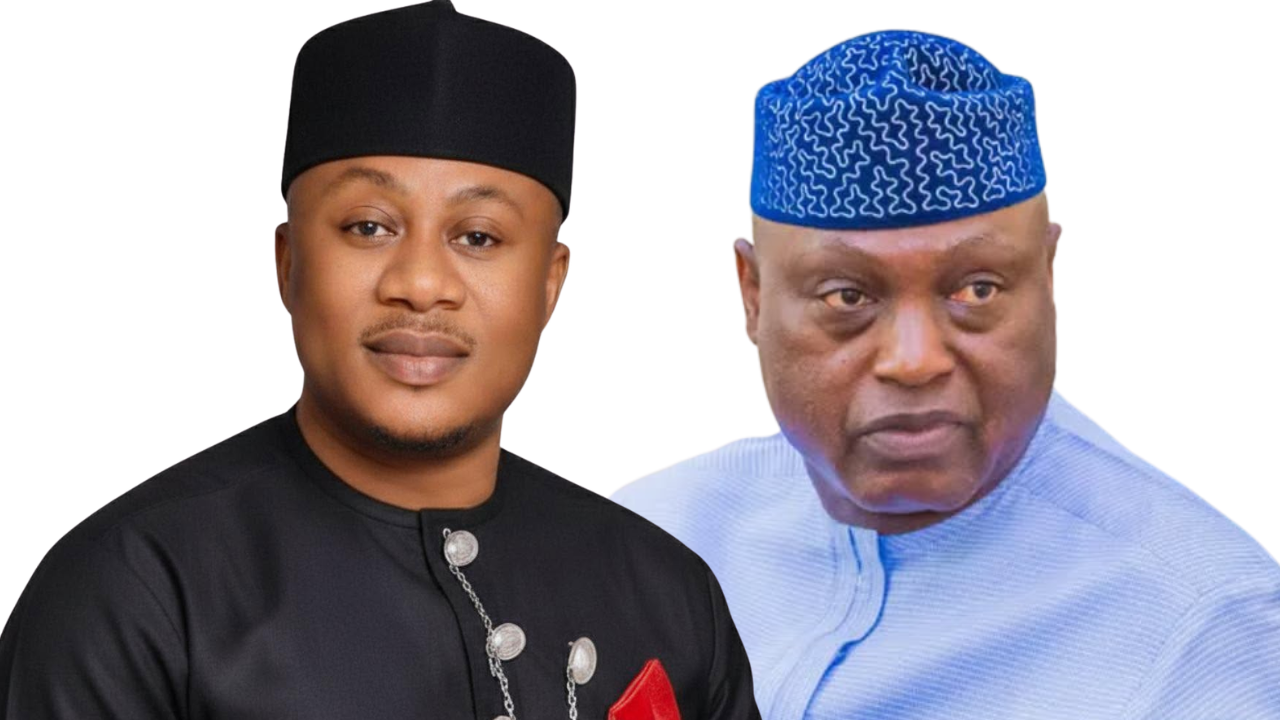
The Accord Party candidate in the June 20 governorship election in Ekiti State, Opeyemi Falegan, has asked his legal team to take action. They will file a petition at the Election Petition Tribunal to contest the victory of Governor Biodun Oyebanji.
Falegan, who is a businessman and philanthropist, said the Independent National Electoral Commission (INEC) will also be involved in the case due to how the election was run.
He made this known in a statement on Sunday, claiming that the election was affected by vote-buying, the failure of the Bimodal Voter Accreditation System (BVAS), and voter intimidation.
"We will meet in court. The evidence is overwhelming. From vote buying in broad daylight to BVAS malfunction to the militarisation of polling units and intimidation of voters, Ekiti people were denied their right to choose freely," he said.
Falegan mentioned that his lawyers are gathering documents, including Forms EC8A, EC8B, and EC8C. He says these documents show differences between the votes cast and the figures announced.
The evidence includes videos and photos that allegedly show vote-buying and the missing Accord Party logo on some ballots in various local government areas.
Other items to be presented at the tribunal include BVAS error logs, reports on manual accreditation and device failures, statements from party agents and voters, and affidavits from polling unit supervisors. These documents claim that votes for the Accord Party were left out.
INEC's Chief Returning Officer, Adenike Oladiji, announced early Sunday that Governor Oyebanji won the election by fulfilling the requirements set by Nigerian law.
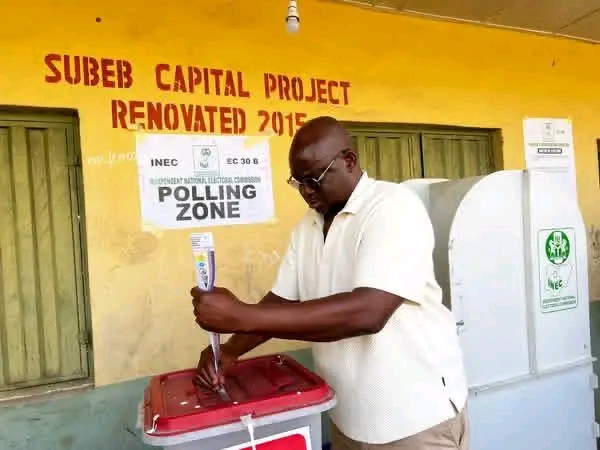

Mrs Oladiji, who is the vice chancellor of the Federal University of Technology, Akure (FUTA), reported that Mr Oyebanji received 319,224 votes. He beat his closest rival, Wole Oluyede from the Peoples Democratic Party (PDP), who got only 40,543 votes.
The African Democratic Congress (ADC) candidate, Oluwadare Bejide, finished third with 12,872 votes. Mr Bejide rejected the election results, citing irregularities.
Falegan came fifth in the election with just 564 votes, competing against candidates from 14 parties.
Election monitoring groups like Yiaga Africa, the Centre for Journalism Innovation and Development (CJID), and the Centre for Democracy and Development (CDD) reported issues like vote-buying, problems with election materials, and malfunctioning voter accreditation devices during the election.
Falegan said his party's agents noticed that the Accord Party logo was missing from ballot papers in some areas.
He also claimed that votes for him were not counted in some polling units and were left out during collation. He alleged that the numbers on Form EC8A were changed before being sent.
The candidate also accused some INEC officials of being told not to count votes for the Accord Party. He argued that this goes against Section 64 of the Electoral Act 2022.


Comments
No comments yet.