FG boosts funding for cancer care and local drug production
The federal government is enhancing funding and local drug production to improve cancer care in Nigeria. This initiative aims to reduce treatment costs for patients.
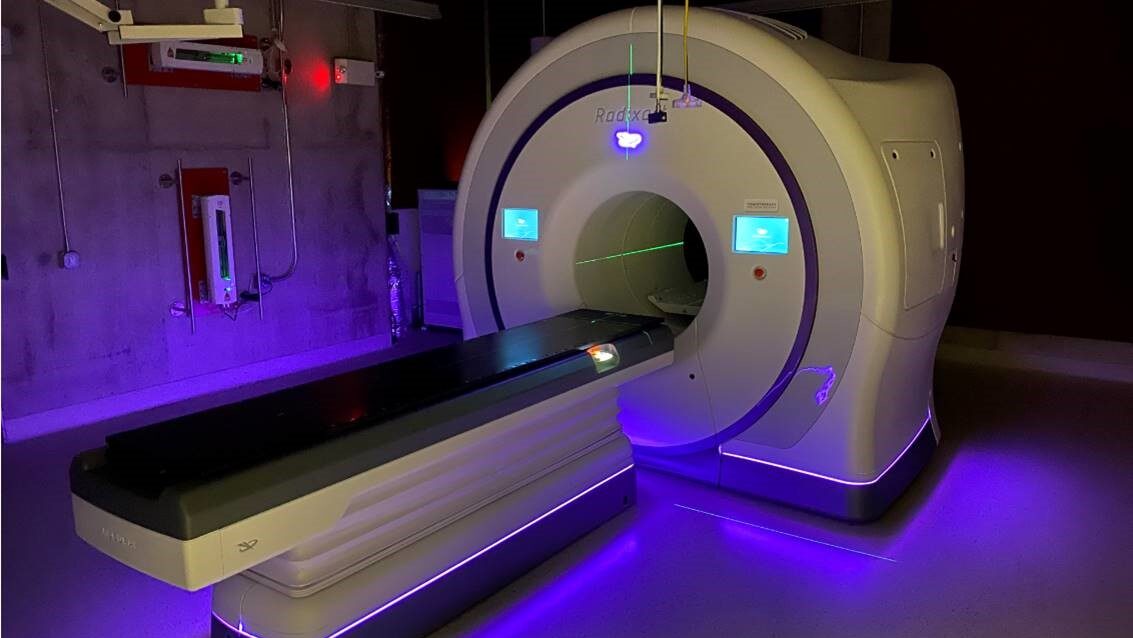
The federal government is increasing funding, local drug production, and research to improve cancer prevention, diagnosis, and treatment. This move aims to lessen the financial burden on patients.
Usman Aliyu, the Director-General of the National Institute for Cancer Research and Treatment (NICRAT), shared this news on Saturday in Abuja during the Best of American Society of Clinical Oncology (ASCO) Africa 2026 conference.
The conference, held in partnership with the African Organisation for Research and Training in Cancer (AORTIC), has the theme: “From Global Discovery to Local Delivery: Driving Africa to the Cutting Edge of Cancer Care.”
Mr Aliyu mentioned that the government is putting in place measures to make cancer care more affordable. Despite these efforts, many Nigerians still find treatment costs too high.
He explained that the Catastrophic Health Fund, under the National Health Insurance Authority, helps subsidise costs for cancer prevention, diagnosis, chemotherapy, and radiotherapy for eligible patients.
He also noted that NICRAT manages the National Cancer Health Fund to assist low-income cancer patients who cannot pay for treatment. “These are initiatives by the government to support Nigerians suffering from this dreadful disease,” he said.
Mr Aliyu added that the Presidential Initiative for Unlocking the Healthcare Value Chain will promote local production of cancer medicines. This will help improve access to affordable treatment.
He explained that experts at the conference would review significant studies from the ASCO Annual Meeting. They will adapt successful innovations to fit African health systems.
“We are trying to domesticate expensive treatments by producing much-needed medicines locally and translating global research into action in our clinics,” he said.
Lolade Adewale, the Special Adviser on Research and Innovation to the Minister of State for Health, said the government is expanding financial support for cancer patients through targeted insurance schemes.
Ms Adewale stated that the Cancer Health Fund and the Social Determinants of Health Fund would help eligible patients access treatment. “Within the next year, you will hear more about it,” she said, referring to plans for better cancer insurance coverage.

She mentioned that Nigeria has started three immunotherapy clinical studies for the first time. This gives patients access to advanced medicines that were not available in the country before.
According to her, drugs like Nivolumab and Keytruda are now accessible through clinical trials at no cost to participating Nigerians. This reduces the need for patients to seek treatment abroad.
Miriam Mutebi, the Immediate Past President of AORTIC, pointed out that Africa contributes only about eight percent of global cancer research. She said the continent's research output is not enough, especially for cervical and prostate cancers, despite their high rates.
Ms Mutebi urged African governments to keep their promise to allocate one percent of Gross Domestic Product to research and development. She believes stronger local investment will improve diagnosis, treatment completion, patient experience, and health systems.
Julie Gralow, the Chief Medical Officer of ASCO, said many breakthrough cancer therapies have not been properly tested on African populations. She said the conference will help find ways to adapt global evidence to African contexts while addressing affordability and access.
She explained that the ASCO-AORTIC partnership is focused on developing the workforce, clinical research, and training the next generation of African cancer researchers.
According to her, the organisations will open the second round of the Sub-Saharan Africa Clinical Research Scholars Programme in October.
AORTIC Vice-President for North America, Abiola Ibraheem, said the initiative aims to close the gap between cancer care in rich countries and Africa. She called on African nations to work together to improve access to innovative cancer treatments through a continental approach.
Ms Ibraheem noted that participation has grown significantly since the first conference in Ethiopia. It has attracted more countries, sponsors, and stakeholders committed to advancing cancer care in Africa.
The News Agency of Nigeria (NAN) reports that the conference brought together oncologists, researchers, policymakers, and development partners from across Africa and beyond. Participants reviewed significant scientific advances from the ASCO Annual Meeting and discussed how they could be applied in African health systems.





Comments
No comments yet.