FG starts distributing ambulances nationwide to boost emergency healthcare
The federal government has begun distributing ambulances across Nigeria to improve emergency medical response. This initiative aims to enhance healthcare access in underserved areas.
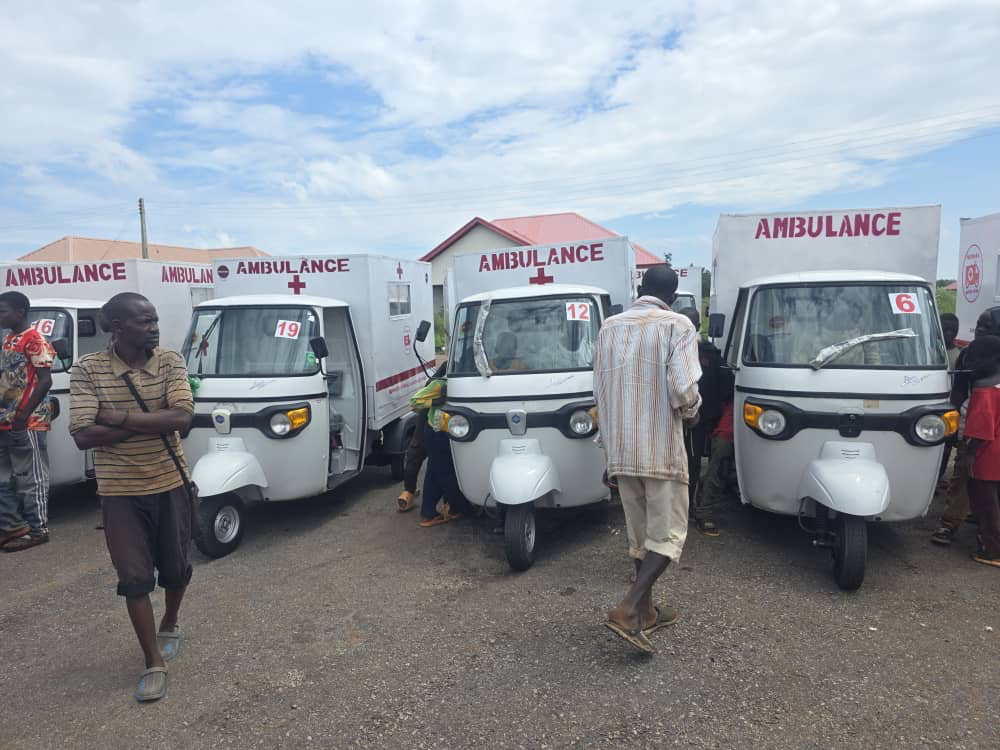
The federal government has started to distribute Advanced Life Support (ALS) ambulances and tricycle ambulances across the country. This move aims to improve emergency medical response and ensure better access to healthcare, especially in rural and underserved areas.
At the launch event held at the National Trauma Centre in Riyom, Plateau State on Monday, Daju Kachollom, the permanent secretary of the Federal Ministry of Health and Social Welfare, said this program aims to solve problems with emergency transportation in hard-to-reach areas. In these places, delays in getting medical help can mean the difference between life and death.
She explained that the ambulances will help with emergency cases involving maternal and newborn issues, childhood diseases, road accidents, and other trauma situations. "Minutes matter in emergency care. The difference between timely transportation and delay can quite literally be the difference between life and death," she said.
This program is part of the National Emergency Medical Service and Ambulance System (NEMSAS), which sets up a coordinated approach to emergency medical services all over Nigeria.
In Plateau State, Ms Kachollom mentioned that there are existing emergency care systems like the State Ambulance System, the Jos University Teaching Hospital (JUTH) emergency care pathway, and the Rural Emergency Service and Maternal Transport (RESMAT) initiative. She noted that RESMAT has been improved through the SAVEMAMA Digital RESMAT platform.
During the ceremony, Ms Kachollom also revealed that Riyom General Hospital has been approved as an outpost for JUTH. This approval, given by Muhammad Pate, the coordinating minister of health and social welfare, was made possible by the cooperation of the Plateau State government.
This development is set to improve access to specialized healthcare services in Riyom and nearby communities. It will also enhance the referral system between primary, secondary, and tertiary healthcare facilities.
Ms Kachollom praised the Plateau State government for its partnership in healthcare delivery. She assured that the Federal Ministry of Health will ensure the ambulances are properly used, maintained, staffed, and monitored.
The ministry will also focus on making sure the management of these vehicles is accountable. She urged Plateau State and other states receiving the ambulances to take ownership of them and use them where they are most needed.

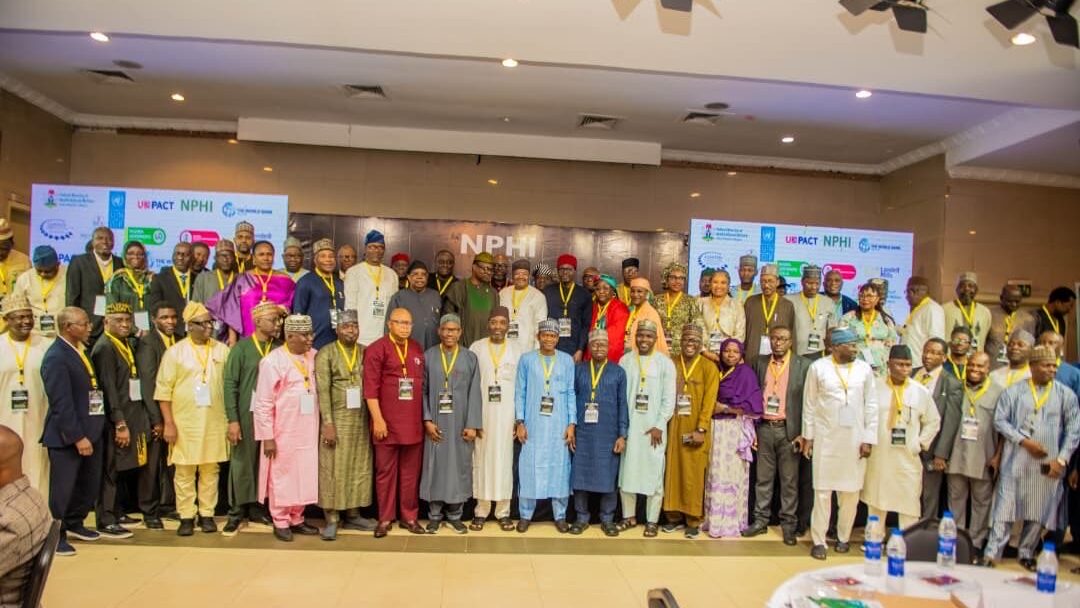
According to her, the federal government wants states to support this effort through budget allocations and other funding to keep emergency medical services running. She added that the program's success will be measured by lives saved and fewer preventable deaths, not just by the number of ambulances given out.
The Chief Medical Director of JUTH, Pokop Bupwatda, shared that the emergency transport initiative has helped move about 1,115 patients in Jos East Local Government Area and over 900 patients in Riyom. He noted that only one maternal death occurred in Jos East in the last six months, while no maternal deaths happened in Riyom during the same time.
He described this initiative as significant in reducing maternal mortality in Plateau State and Nigeria as a whole. He shared that Plateau State’s maternal mortality rate has dropped from about 905 deaths per 100,000 live births to around 500 per 100,000.
He is hopeful that this figure can eventually reach about 100 deaths per 100,000 live births. Mr Bupwatda also thanked health workers and the Federal Ministry of Health for providing an additional 10 new tricycle ambulances to Plateau State.
Plateau State Governor, Caleb Mutfwang, represented by his deputy, Josephine Piyo, said this initiative is a smart investment in emergency healthcare. He mentioned that the ambulances will help solve transportation problems caused by rough terrain and poor access in underserved areas.
The governor noted that these vehicles will ensure timely transport of patients, help with referrals between healthcare facilities, and strengthen the emergency response process. He added that this move fits with Plateau State’s healthcare goals, including its earlier purchase of five tricycle ambulances under the Maternal and Newborn Mortality Innovative Initiative in Jos East.
Mr Mutfwang promised the federal government that the ambulances will be used properly, maintained well, and managed responsibly. He reaffirmed the state's commitment to a healthcare system that connects prevention, emergency response, transport, referral, treatment, and continuity of care.
Also sharing his thoughts, the chairman of Riyom LGA, Bature Shuwa, welcomed the new JUTH outpost in the area. He said the facility will improve healthcare access for Riyom residents and attract patients looking for specialized medical services. He thanked the federal government, Plateau State government, and all those involved in setting up the outpost.



Comments
No comments yet.