FSSAM: Boosting Federal and State Teamwork for National Security
The FSSAM meeting emphasized the importance of collaboration between federal and state governments to enhance national security and community trust.
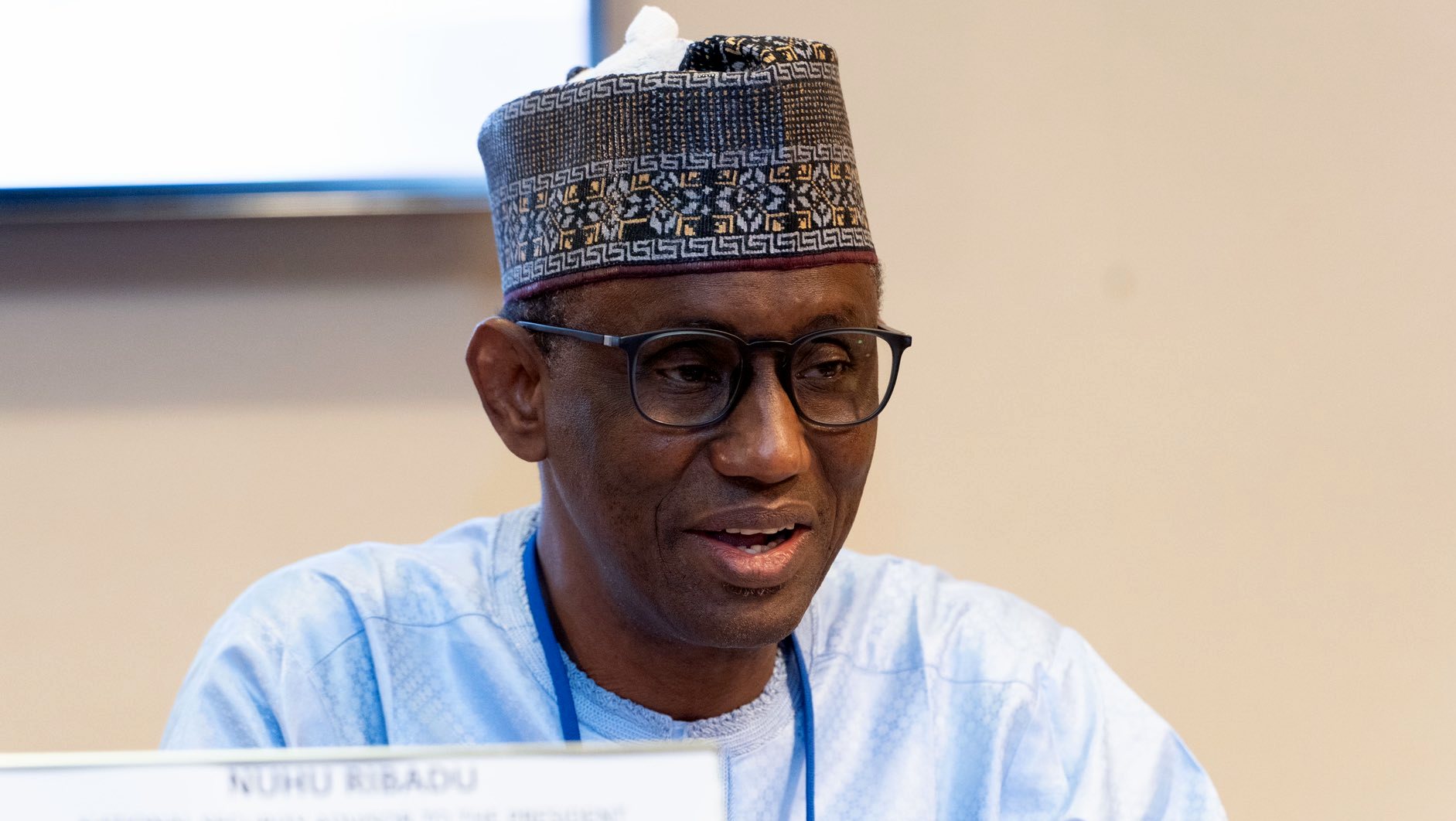
The third Federal and States Security Administrators’ Meeting (FSSAM) of 2026 took place in Yola, Adamawa State, from 14 to 16 October. This meeting was a chance to look at how Nigeria can turn national security plans into real actions in states and communities. The main takeaway is that good security happens when institutions work together and when citizens trust those institutions. Agreements made at meetings matter when they help improve the daily safety of the people.
Organised by the Special Services Office (SSO) under the Secretary to the Government of the Federation, FSSAM serves as a platform to discuss security issues across different areas and to boost cooperation between federal and state officials. The Yola meeting highlighted these responsibilities during a time when the country needs to keep responding to violent threats while also dealing with the social and governance issues that affect public security.
The meeting stressed a practical duty: we must help citizens understand security plans, create reliable ways for communities to voice concerns, and ensure public feedback shapes decisions. Effective communication is when government actions connect with people's experiences and expectations.
Working Together for the People
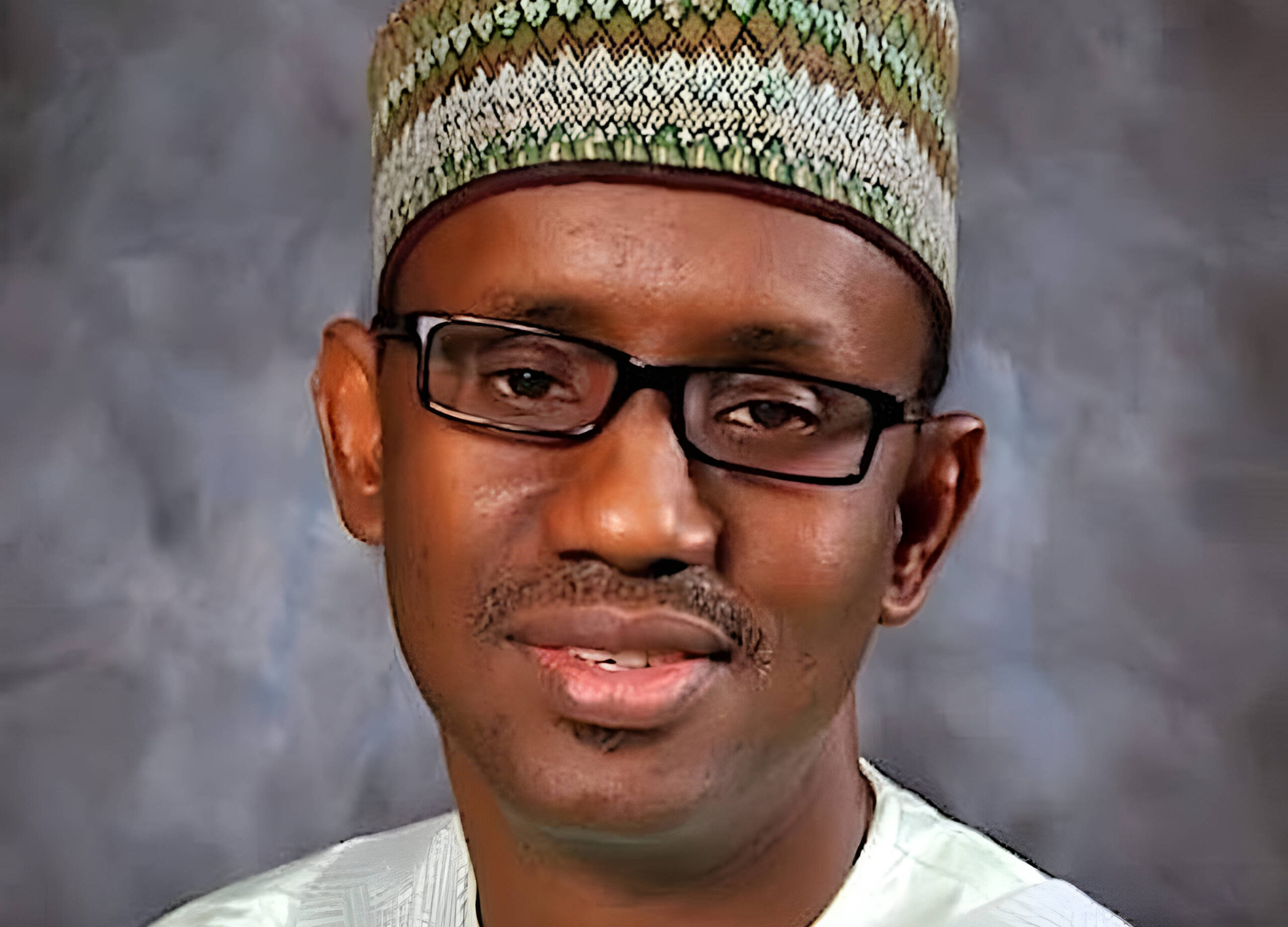
In his goodwill message, delivered by National Security Adviser Nuhu Ribadu’s Special Adviser on Governance and Subnational Matters, he highlighted the need for coordination, trust, and proper engagement across all government levels. He mentioned the monthly Joint Intelligence Board (JIB) meetings and the Forum of National and Subnational Security Officials (FONSSO) as key ways the Office of the National Security Adviser is improving collaboration.
FONSSO brings together senior security officials from all 36 state governors and the Minister of the Federal Capital Territory. As the NSA explained, FSSAM and FONSSO support each other. Their importance lies in improving communication between institutions, sharing intelligence, and allowing for more coordinated responses to threats.
The challenge now is to ensure these connections work well beyond the federal and state capitals. Local governments and communities need dependable ways to report issues and get quick responses. Traditional institutions, community groups, and civil society can help officials understand local problems and find ways to mediate before disputes turn violent.
Clear responsibilities are essential for this engagement. People should know where to go with concerns, which institution can act, and how they will receive feedback. Community involvement lasts longer when citizens see that their input is taken seriously and handled responsibly.
Good Governance is Key
The NSA’s message put good governance at the heart of national stability. Strong institutions, respect for the law, basic services, and job opportunities all affect security outcomes. This understanding impacts how we measure progress. Besides operational success, we also need to check if communities can return to productive lives, access public services, and resolve issues through trusted institutions.
Governor Ahmadu Umaru Fintiri’s speech added a state perspective to the discussion. He talked about his government's efforts to strengthen local traditional institutions, support security agencies, and bring governance closer to the people. He also called for stronger federal aid for border security and better cooperation between agencies.
The governor’s message shows how important it is to link security operations with development and local governance. His warning against declaring victory too soon is also crucial. Progress needs ongoing attention, especially where communities still face insurgent threats, border issues, and the fallout from past violence.
Public communication must reflect this balance. We should share verified improvements and explain the work behind them, while also acknowledging ongoing challenges. Trust builds when official reports are accurate, balanced, and responsive to what citizens experience.
Communicating Effectively to Build Trust
In his opening comments, Sani Yargaya Aminu, the Permanent Secretary of the Special Services Office, highlighted preparations for the 2027 general elections, economic issues, and health threats. Along with talks on cybersecurity and small arms control, these topics show how broad the responsibilities of security administration are.
For administrators, this means anticipating information needs and keeping in touch before crises arise. Federal and state bodies should coordinate factual updates, clarify their roles, and inform communities through trusted channels. Local radio and communication in relevant Nigerian languages are especially good for reaching people whose concerns might not be heard in national discussions.
Listening must go hand in hand with these efforts. Questions about safety, transport costs, healthcare, and livelihoods need real answers. Legitimate concerns should guide the government in identifying problems and enhancing its response. When institutions engage openly and respectfully, they strengthen the relationships needed for cooperation.
The same goes for misinformation. Quick clarifications should provide evidence, explain known facts, and admit uncertainties. Journalists, civil society, and community leaders can help people verify information while maintaining their independence and the duty to question public institutions. As deepfakes and impersonation become more common, institutions must also make it easier to find and verify authentic information.
Preparing for Peaceful Elections
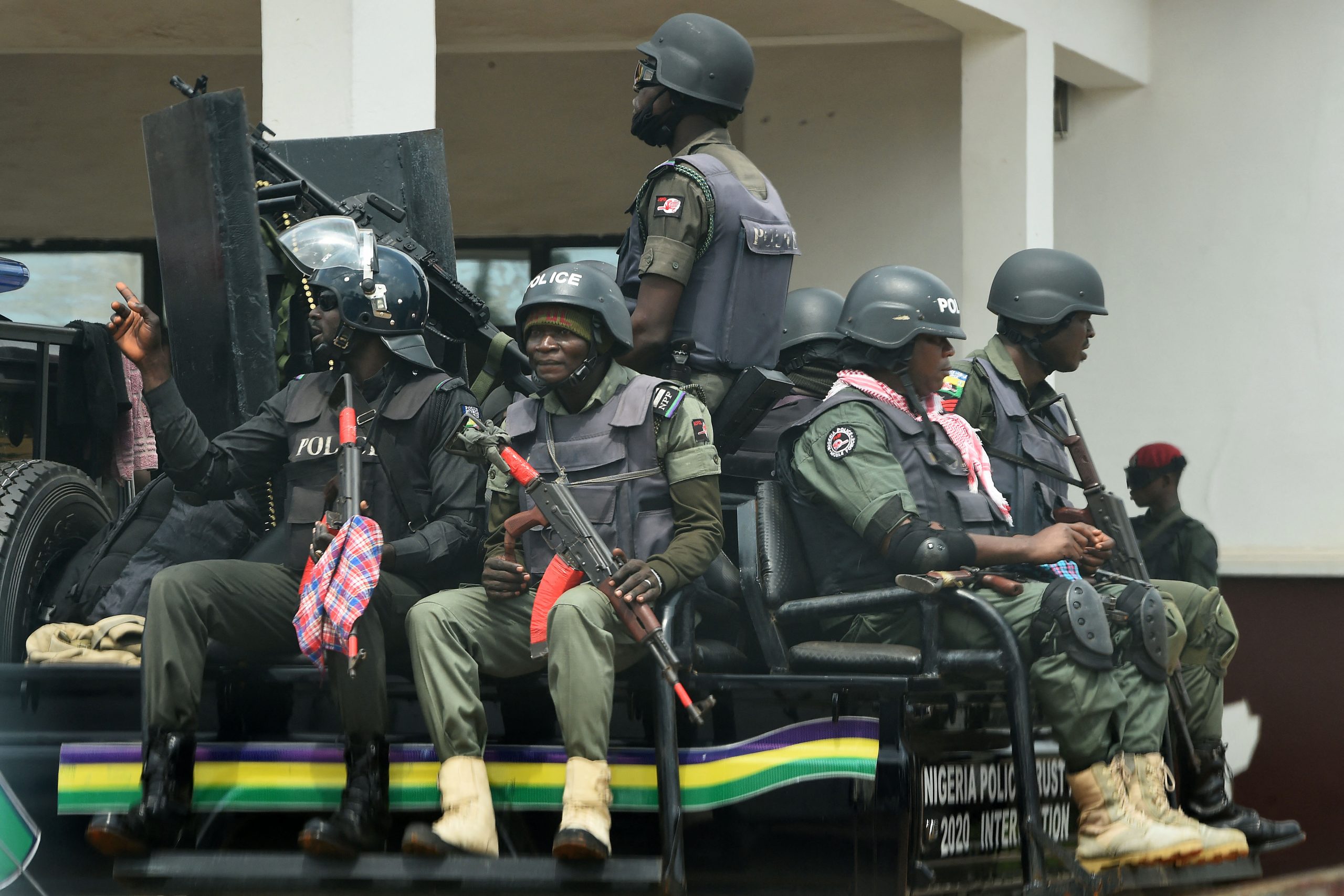
With the 2027 general elections approaching, there is more urgency for early planning and cooperation. Both the NSA’s message and the Permanent Secretary’s comments highlighted the need to avoid inflammatory communications and enhance coordination. A peaceful election environment needs to protect participation and ensure political competition occurs within the law.
Security communication should provide citizens with clear information about their rights, reporting channels, and the responsibilities of relevant institutions. Political figures must avoid incitement and intimidation, while grievances should be handled legally. Security agencies must perform their duties fairly so that every eligible citizen can participate safely.
Concerns about digital manipulation and illegal arms are also important for election readiness. Institutions must recognize and respond to false information that could incite violence while strengthening legal measures to prevent intimidation with weapons.
Civil society and the media have vital roles in voter education, conflict prevention, fact-checking, and holding public officials accountable. Working with women’s groups, youth organisations, and local peacebuilders can also help officials spot tensions that might otherwise go unnoticed. These relationships should be built early and maintained beyond election periods.
Cybersecurity is Everyone's Responsibility
The presentation by the National Cybersecurity Coordination Centre (NCCC-ONSA) showed how digital threats affect public administration and daily life. Its National Coordinator, Ahmad Sa’ad Abubakar, informed attendees that the Centre is operational and ready to assist government institutions with cybersecurity planning, protection, and readiness assessments.
He pointed out issues like misinformation, disinformation, deepfakes, phishing, and AI-enabled identity theft as rising threats. These challenges directly impact public trust. A fake video, impersonated official, or misleading message can confuse citizens, compromise information, and disrupt institutional work.
Abubakar stressed the need for cyber hygiene, pointing to the responsibilities of individual officials. Mobile phones and electronic devices often hold sensitive personal and official information. If not secured properly, these devices can expose users and the institutions they represent to risks. Participants were advised to avoid unsafe public Wi-Fi, handle suspicious messages carefully, and strengthen device security.
The discussion also highlighted children’s online safety and the risks vulnerable individuals face from exploitation, radicalisation, and recruitment by extremists. Parents should actively monitor their children's online activities to help shield them from harmful content and contacts.
For federal and state institutions, this means integrating cybersecurity into everyday administration. Staff training, responsible information management, and access to technical support should accompany the use of digital services. The planned review of the national cybersecurity strategy, including responses to AI-related threats, offers a chance to boost preparedness. The Permanent Secretary’s push for participants to refer to the existing strategy reminded everyone that effective implementation starts with understanding the current framework.
Controlling Illegal Arms through Local Collaboration
Major General Abubakar Adamu (rtd.) presented on the National Centre for the Control of Small Arms and Light Weapons (NCCSALW-ONSA), stressing the need to connect national institutions with local communities. He explained that many security problems start at the community level and highlighted the importance of addressing the spread of illegal weapons.
Adamu outlined the Centre’s work in recovering and destroying weapons, recovering ammunition, cooperating between agencies, and supporting arrests and prosecutions. He also discussed collaboration with the Nigeria Customs Service and others to stop illegal arms movement.
These efforts also focus on prevention within security bodies. Training in safe weapons handling, armoury management, and stockpile security is crucial to reduce the risk of weapons falling into the wrong hands. Challenges include locally made firearms, illegal movement through border areas, and the potential diversion of weapons from official stores.
The Centre’s presence in all six geopolitical zones lays the groundwork for stronger ties with state governments. Its proposed work with border communities, traditional rulers, religious leaders, and other local stakeholders recognizes that effective arms control partly relies on local knowledge and public cooperation.
Improved weapons marking and tracing must be backed by public awareness and ongoing engagement. Communication against arms spread and insurgency should explain the dangers illegal weapons pose, encourage lawful cooperation, and build community trust in the institutions responsible for enforcement.
The Permanent Secretary’s suggestion for states to provide modest office space for the Centre within their secretariats is a practical idea to enhance accessibility and coordination. Such steps can help translate national goals into a more visible and responsive presence at the state level.
Health and Economic Issues Matter Too
The meeting’s focus on communicable diseases and rising living costs shows the link between human welfare and national security. A household struggling to pay for transport or healthcare faces governance through these immediate needs. Effective responses require collaboration between security administrators, health authorities, and those responsible for social and economic support.
Health communication should make reliable advice available and address public concerns carefully. Traditional and religious leaders can help build trust where it is weak, while health professionals provide the evidence and services communities require. Communication works best when people can act on the advice they are given.
Similarly, explanations of measures aimed at reducing economic hardship should clarify who can benefit, how to access help, and where to report issues. Public trust relies on fairness and clarity in official messages.
From Discussion to Action
The lasting impact of the Yola meeting will depend on follow-up actions. Institutions involved should turn agreed priorities into assigned roles, realistic timelines, and regular reviews. Federal and state platforms should share lessons learned and identify any obstacles needing higher-level decisions.
The presentations by ONSA’s centres highlighted practical chances for cooperation. State institutions can use the NCCC’s expertise to enhance cybersecurity readiness, while closer engagement with the National Centre for the Control of Small Arms and Light Weapons can improve arms control coordination. Both require ongoing public awareness and relationships that reach local communities.
From the viewpoint of effective communication, the immediate focus should be on deepening ties between these institutional arrangements and the public. Community input should guide implementation, and verified progress should be shared in ways people can understand and evaluate.
The third FSSAM meeting of 2026 confirmed the need for a united approach to Nigeria’s security. We must now take that approach to the places where people live and work. Success will show in institutions that respond better, communities that can engage with confidence, and safety improvements that citizens notice in their everyday lives.




Comments
No comments yet.